The best way to freeze shrimp is to first rinse and pat dry them, then place them in a resealable bag with the air removed before sealing and labeling the bag with the date. Freezing shrimp is a convenient way to preserve their freshness for future use.
Whether you have leftover shrimp from a meal or want to take advantage of a sale at the grocery store, freezing shrimp can help you have this versatile ingredient on hand whenever you need it. By following a few simple steps, you can freeze shrimp properly to ensure they maintain their quality and taste.
We will explore the best practices for freezing shrimp, as well as some tips for using them once they are frozen.
Choosing Fresh Shrimp
Finding the freshest shrimp is crucial when planning to freeze it, as the quality of the shrimp will directly impact its taste and texture once thawed. Here are some essential things to look for when choosing fresh shrimp to freeze:
Look For Firm Texture
When selecting shrimp for freezing, look for shrimp with a firm texture. Fresh shrimp should have a springy and resilient feel to the touch, indicating that they are not overly soft or mushy. This firmness is a good indication that the shrimp is fresh and will freeze well.
Check For A Mild Sea Smell
A mild sea smell is characteristic of fresh shrimp. When inspecting shrimp, take a moment to sniff them, ensuring that the aroma is pleasant and reminiscent of the ocean. Avoid shrimp with a strong, pungent, or ammonia-like smell as this may indicate that the shrimp is not as fresh and may not freeze well.
Preparing Shrimp For Freezing
To freeze shrimp, rinse, peel, and devein them. Pat dry, place in a single layer in a freezer bag, and remove excess air before sealing. Label and freeze for up to 3 months for the freshest taste.
When it comes to preserving the freshness of shrimp, freezing is a great option. By following the proper steps for preparing shrimp for freezing, you can ensure that they retain their taste and texture. In this article, we will discuss two important processes: peeling and deveining, and rinsing in cold water.
Peeling And Deveining
Before freezing shrimp, it is important to remove the shell and the dark digestive tract known as the vein. Follow these simple steps to peel and devein shrimp:
- Hold the tail of the shrimp and gently twist the body to separate the shell.
- Once the shell is loosened, carefully peel it off, starting from the head towards the tail.
- Next, using a small sharp knife, make a shallow incision along the back of the shrimp.
- Using the tip of the knife or your fingers, carefully lift and remove the dark vein.
- Rinse the shrimp thoroughly in cold water to remove any remaining shell fragments or debris.
By taking the time to peel and devein your shrimp before freezing, you can eliminate any unwanted flavors and enhance the taste of your dishes.
Rinsing In Cold Water
Once the shrimp are peeled and deveined, it is crucial to rinse them in cold water. This step serves two important purposes:
- Removing any remaining debris: Rinsing the shrimp in cold water helps to eliminate any dirt, sand, or other unwanted particles that may be present.
- Lowering the temperature: Cold water quickly lowers the internal temperature of the shrimp, helping to maintain its freshness and quality.
To rinse your shrimp effectively:
- Place the peeled and deveined shrimp in a colander or strainer.
- Hold the colander under cold running water, allowing it to flow over the shrimp.
- Gently agitate the shrimp with your fingers to ensure that all surfaces are rinsed thoroughly.
- Continue rinsing until the water runs clear, indicating that the shrimp are free from any residual impurities.
Rinsing your shrimp in cold water after peeling and deveining is a crucial step in preparing them for the freezing process. It helps to maintain the quality and taste of the shrimp, ensuring that they are ready to be enjoyed in any dish you choose.
Selecting The Right Freezing Method
Discover the optimal method for freezing shrimp to maintain freshness. By using the proper freezing technique, you can preserve the flavor and texture of the shrimp for future meals. Learning how to freeze shrimp correctly is essential for delicious dishes every time.
When it comes to freezing shrimp, selecting the right freezing method is crucial to maintain its quality and taste. Freezing is an effective way to preserve shrimp for a longer period, but not all freezing methods are created equal. In this section, we will discuss two popular freezing methods – Individual Quick Freezing (IQF) and Freezing in Water, and how they can help you freeze shrimp properly.
Individual Quick Freezing (iqf)
IQF is a method where the shrimp are individually frozen, ensuring they don’t stick together. This technique involves quickly freezing each shrimp separately, which helps preserve their flavor, texture, and nutritional value.
When using the IQF method, follow these steps:
- Start by cleaning and deveining the shrimp.
- Arrange the shrimp in a single layer on a baking sheet lined with parchment paper.
- Place the baking sheet in the freezer and let the shrimp freeze for about an hour or until they’re firm to the touch.
- Once the shrimp are firm, transfer them into a freezer-safe bag or container.
- Squeeze out any air from the bag, seal it tightly, and label it with the date.
Freezing In Water
Another method to freeze shrimp is by submerging them in water. Freezing in water helps protect the shrimp from freezer burns and maintains their moisture content.
Here’s how you can freeze shrimp in water:
- Clean and devein the shrimp before freezing.
- Boil a pot of water and let it cool to room temperature.
- Fill a freezer-safe plastic bag with the cooled water, leaving some space for expansion.
- Place the cleaned shrimp into the bag with water, ensuring they are fully submerged.
- Squeeze out any excess air, seal the bag tightly, and label it with the date.
Whichever method you choose, it’s important to freeze shrimp as soon as possible to maintain their freshness. Remember to thaw frozen shrimp in the refrigerator before use for the best results.
Packaging Shrimp For Freezing
Use Airtight Containers
Airtight containers are ideal for freezing shrimp because they prevent freezer burn.
Vacuum Sealing For Long-term Storage
Vacuum sealing is a great option for long-term storage of shrimp as it minimizes air exposure.
Freezing Shrimp Properly
Spread Shrimp On A Tray
Spread the cleaned and drained shrimp in a single layer on a tray to prevent them from sticking together.
Maintain Freezer Temperature
Make sure your freezer is set to the proper temperature to keep the shrimp fresh and free from freezer burn.
Credit: www.mealvillage.com
Thawing Shrimp Safely
Thawing shrimp safely is crucial to maintaining its quality and taste. Improper thawing can lead to potential food safety risks, so it’s essential to follow the correct methods. There are two main ways to thaw shrimp safely: refrigerator thawing and cold water thawing.
Refrigerator Thawing
Refrigerator thawing is the most recommended method for safely thawing shrimp. It involves placing the frozen shrimp in the refrigerator and allowing it to thaw gradually. To do this, simply transfer the shrimp from the freezer to the refrigerator and leave it overnight or for about 12 hours. This slow thawing process helps maintain the shrimp’s texture and flavor while reducing the risk of bacterial growth. Remember to place the shrimp in a tightly sealed container or a leak-proof bag to prevent cross-contamination with other foods.
Cold Water Thawing
Cold water thawing is a quicker alternative for thawing shrimp when time is of the essence. To use this method, place the sealed shrimp in a bowl of cold water. Change the water every 30 minutes to ensure it stays cold. It typically takes around 30-60 minutes for the shrimp to thaw using this method. Once the shrimp has thawed, it’s essential to cook it immediately to prevent any bacterial growth that may occur from the temperature change. Avoid using warm water as it can lead to uneven thawing and increase the risk of contamination.
Cooking Frozen Shrimp
Maximize the shelf life of your shrimp by freezing it correctly. To get the best results, place the shrimp in a single layer on a baking sheet and freeze until firm, then transfer to an airtight container or freezer bag for long-term storage.
This method helps prevent the shrimp from clumping together and ensures it remains fresh.
Avoid Overcooking
Cooking frozen shrimp can be a quick and convenient option for a delicious meal. However, it’s important to avoid overcooking to maintain the juicy and tender texture of the shrimp.
- Thaw your frozen shrimp by placing it in a bowl of cold water and letting it sit for about 15 minutes. Do not use warm water as it can partially cook the shrimp.
- Once thawed, it’s time to start cooking. Whether you choose to boil, sauté, or bake the shrimp, be mindful of the cooking time. Overcooking can result in rubbery shrimp that lacks flavor.
- For boiled shrimp, bring a pot of water to a rolling boil and then add the thawed shrimp. Cook for about 2-3 minutes until they turn pink and opaque. Avoid boiling for too long, as it can lead to tough shrimp.
- If you prefer sautéing, heat a skillet over medium-high heat and add a small amount of oil or butter. Cook the thawed shrimp for about 2-3 minutes on each side until they become pink and firm.
- When baking frozen shrimp, preheat your oven to 400°F (200°C). Place the thawed shrimp on a baking sheet lined with parchment paper and cook for around 8-10 minutes until they are fully cooked and pink.
Experiment With Seasonings
One of the best things about cooking frozen shrimp is the opportunity to experiment with different seasonings. Here are some delicious options to enhance the flavor:
- Sprinkle your thawed shrimp with garlic powder, paprika, salt, and pepper for a classic and flavorful combination.
- Add a touch of zing by seasoning your shrimp with chili powder, cumin, and lime zest.
- For a taste of the Mediterranean, toss your shrimp with olive oil, lemon juice, oregano, and minced garlic. Finish it off with a sprinkle of feta cheese.
- To bring some heat, combine your thawed shrimp with Cajun seasoning, cayenne pepper, and a squeeze of fresh lemon.
- Create an Asian-inspired dish by coating your shrimp with soy sauce, minced ginger, sesame oil, and a sprinkle of sesame seeds.
Remember, the amount of seasoning can vary based on personal preference. Don’t be afraid to adjust and experiment until you find your perfect flavor combination.
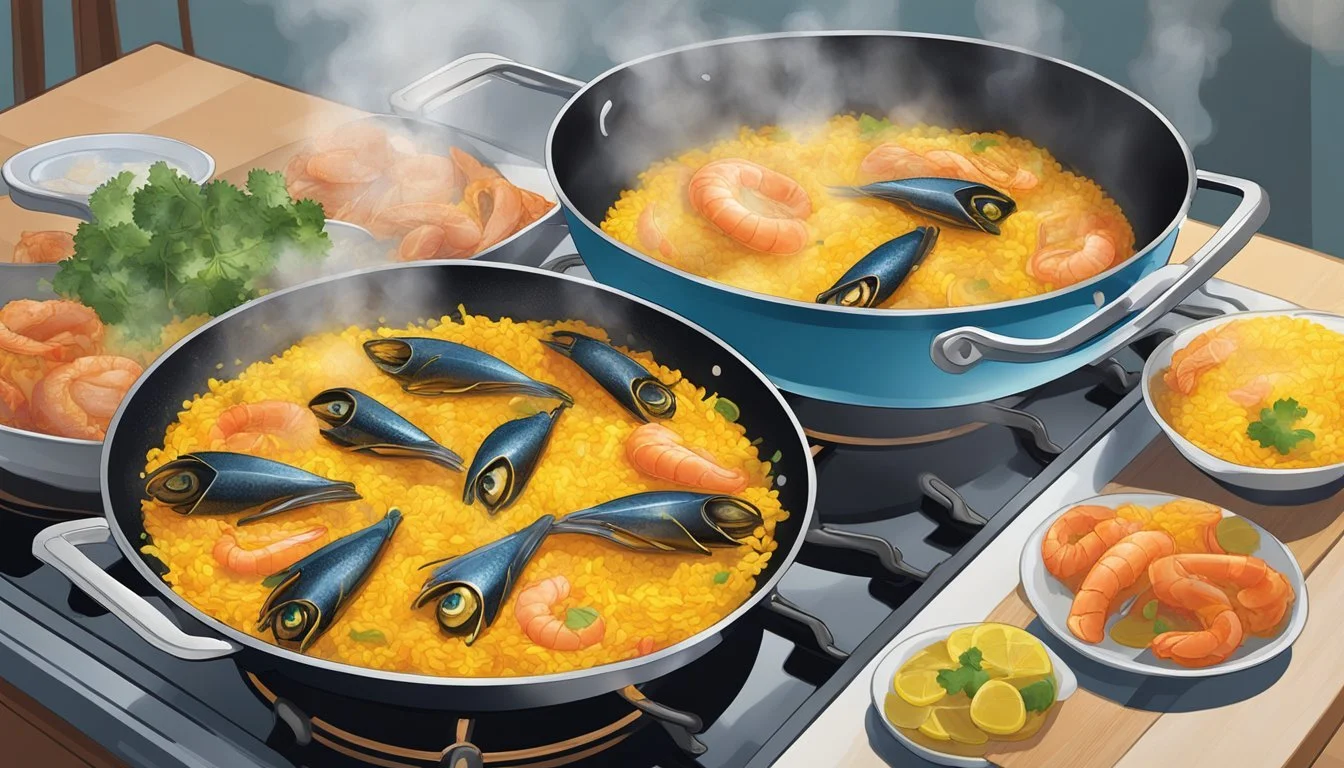
Credit: discover.texasrealfood.com
Enjoying Perfectly Preserved Shrimp
Freezing shrimp is a convenient way to ensure you always have this versatile seafood on hand. Incorporate the frozen shrimp in a wide range of recipes, such as flavorful shrimp scampi, zesty shrimp tacos, or a refreshing shrimp salad.
Proper storage is essential to maintain the quality of your frozen shrimp. Ensure to store the shrimp in airtight containers or heavy-duty freezer bags to prevent freezer burn. Labeling the package with the date of freezing ensures you use the oldest shrimp first, maintaining freshness.
:strip_icc()/quick-refrigerator-pickles-RU362556-7aea3a6c80864354835db63ebc4b1a23.jpg)
Credit: www.bhg.com
Frequently Asked Questions On Best Way To Freeze Shrimp
Is It Better To Freeze Shrimp With Or Without Shell?
It is better to freeze shrimp without the shell for long-term storage to prevent freezer burn and retain freshness. Freezing shrimp with the shell can lead to a loss of flavor and texture.
How Do You Freeze Shrimp In A Ziplock Bag?
To freeze shrimp in a ziplock bag, start by rinsing and patting the shrimp dry. Place them in the bag, remove as much air as possible, and seal tightly. Label the bag with the date and place it in the freezer.
How Do You Prevent Freezer Burn On Shrimp?
To prevent freezer burn on shrimp, ensure it’s tightly sealed in an airtight container or freezer bag to minimize air exposure. Double bagging can also help protect against freezer burn. 存oreover, using a vacuum sealer can further prevent moisture loss and freezer burn.
Regularly rotate shrimp to use older ones first.
What Is The Best Way To Store Fresh Shrimp?
To store fresh shrimp, place them in a sealed container and refrigerate at 32-38°F. Keep them away from direct sunlight and use within 1-2 days for optimal freshness. Avoid storing them in water, as it can deteriorate their quality.
Conclusion
Freezing shrimp is a convenient way to preserve its quality and freshness. By following the proper steps, you can ensure that your frozen shrimp retains its flavor and texture. Whether you’re using it in a stir-fry, pasta dish, or as a seafood cocktail, properly frozen shrimp will enhance your culinary experience.
Don’t hesitate to freeze your shrimp properly to enjoy its delicious taste anytime.