The best things to freeze dry include fruits, vegetables, meats, dairy products, and prepared meals. Freeze drying preserves the natural taste, color, and nutritional value of foods.
Freeze drying is a popular method for preserving food due to its ability to maintain the original flavor and texture of the food while extending its shelf life. This process involves freezing the food and then removing the ice and moisture through sublimation, resulting in a lightweight, crunchy and shelf-stable product.
To make the most of freeze drying, various food items such as fruits, vegetables, meats, dairy products, and even prepared meals can be preserved, making them ideal for long-term storage and convenience. Moreover, freeze-dried foods are often used for backpacking, emergency preparedness, and snacking due to their lightweight nature and extended shelf life.

Credit: www.amazon.com
History Of Freeze Drying
Freeze drying, also known as lyophilization, has a fascinating history that dates back to ancient times.
Origins Of Freeze Drying
Ancient Peruvian Incas are believed to have been the first to utilize a primitive form of freeze drying by exposing food to the cold mountain nights, allowing it to freeze and then dehydrating it under the intense sun.
Evolution Of Freeze Drying Technology
- The modern concept of freeze drying emerged during World War II when it was employed for preserving blood plasma for troops.
- Over the years, advancements in technology have enhanced the efficiency and capabilities of freeze drying, making it a widely used method for preserving food, pharmaceuticals, and other materials.
Process Of Freeze Drying
Freeze drying, also known as lyophilization, is a process that involves freezing a product and then removing the frozen water content by sublimation, resulting in a dried end product. This method is commonly used to preserve perishable food items without compromising on their nutritional value and flavor.
Freezing Stage
The first stage of the freeze-drying process involves freezing the product to a very low temperature. This is typically done in a special freeze-drying chamber where the product is placed on trays and subjected to extremely low temperatures. By freezing the product, the water content is solidified, which is crucial for the subsequent drying stage.
Drying Stage
Once the product is frozen, the drying stage begins. The freeze-drying chamber creates a low-pressure environment, allowing the frozen water in the product to sublimate directly from solid ice to vapor without passing through the liquid phase. This process effectively removes the water content from the product, leaving behind a dehydrated and stable end product.
Final Packaging
After the freeze-drying process is complete, the dehydrated product is ready for final packaging. It is important to pack the dried product in airtight and moisture-resistant packaging to prevent any reabsorption of moisture. This ensures the longevity and quality of the freeze-dried product, making it suitable for long-term storage.
Applications Of Freeze Drying
Freeze drying, also known as lyophilization, is a versatile process that finds applications in various industries. This method preserves and enhances the shelf life of products by removing moisture while retaining their original texture, taste, and nutritional value. Let’s explore some of the key applications of freeze drying:
Food Preservation
Freeze drying plays a crucial role in the food industry, allowing for the preservation of various perishable food items. By freezing the food and then subjecting it to a vacuum environment, moisture is removed through the process of sublimation, leaving behind perfectly preserved food. This method is particularly useful for fruits, vegetables, meat, seafood, herbs, and even complete meals. The resulting freeze-dried food maintains its original flavors, textures, and nutritional content, making it an excellent option for camping trips, emergency preparedness, and space missions.
Pharmaceutical Industry
In the pharmaceutical industry, freeze drying is widely used to stabilize and preserve sensitive drugs, vaccines, and other medical products. By removing moisture from pharmaceutical substances, the risk of microbial growth and chemical degradation is minimized. Freeze-dried medications offer extended shelf life, improved dosage accuracy, and ease of transport, making them crucial for medical professionals to deliver effective treatments to patients with utmost precision.
Biotechnology
The biotechnology sector extensively utilizes freeze drying for the preservation and storage of enzymes, bacteria, cells, and other biological entities. With this method, researchers can suspend biological samples in a stable state without the need for refrigeration, reducing degradation and maintaining their bioactivity. Freeze-dried materials are valuable in various applications, such as diagnostic kits, vaccines, probiotics, and regenerative medicine, where stability and efficacy are critical factors.
Historical Artifacts
Freeze drying finds its place even in the conservation of historical artifacts, allowing these precious relics to be safeguarded for future generations. By freeze drying delicate and fragile items like manuscripts, documents, artworks, and archaeological finds, moisture is removed without causing damage. This process stabilizes and preserves these artifacts, preventing decay, degradation, and mold growth, enabling researchers and historians to study and appreciate these invaluable cultural treasures.

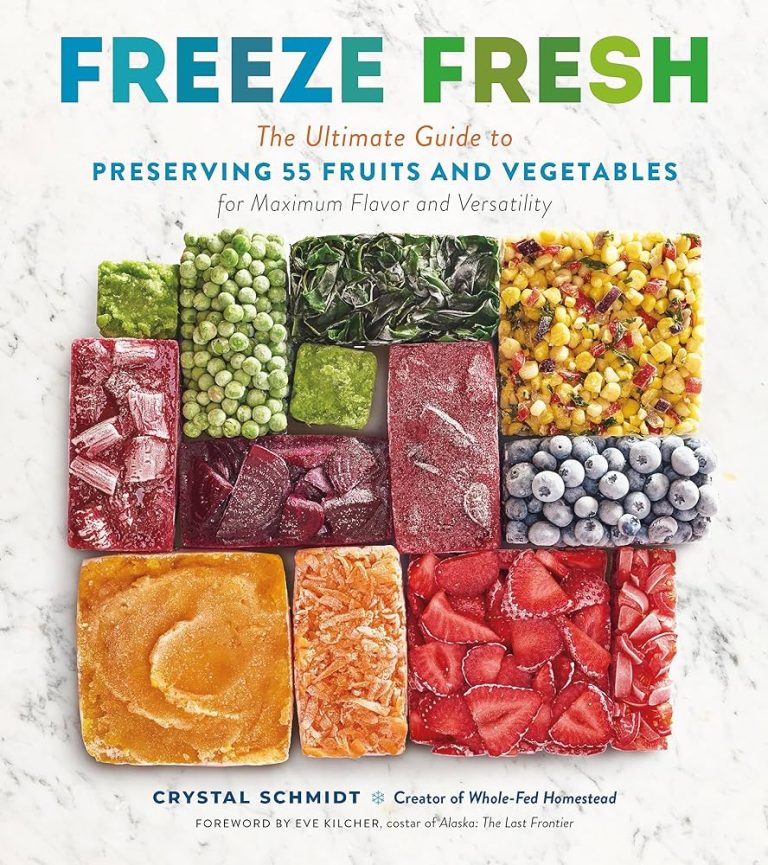
Credit: homesteadlady.com
Best Foods To Freeze Dry
Freeze drying is an excellent preservation method, and some of the best foods to freeze dry include fruits, vegetables, meats, and dairy products. This process retains the nutritional value and extends the shelf life of these food items while maintaining their taste and texture.
Fruits And Vegetables
Freeze-drying is a great method to preserve the freshness and nutrients of fruits and vegetables. Whether you’re a fan of berries, apples, or leafy greens, freeze drying can enhance their shelf life while retaining their flavors and textures. The process involves freezing the produce and then removing the ice through sublimation, resulting in a lightweight and crunchy snack that can be stored for months or even years without losing its nutritional value.
Some of the best fruits and vegetables for freeze drying include:
- Strawberries
- Blueberries
- Apples
- Pineapple
- Bananas
- Broccoli
- Carrots
- Peas
By freeze drying these fruits and vegetables, you can enjoy them as a snack on their own, rehydrate them for use in smoothies, or add them to your favorite recipes for an instant burst of flavor and nutrition.
Meats And Seafood
If you’re a meat or seafood lover, you’ll be pleased to know that freeze drying can also be used to preserve these protein-rich food items. Freeze-drying meats and seafood not only extends their shelf life but also helps lock in the flavors and tenderness. This preservation method ensures that you have a convenient and nutritious protein source on hand, even in emergency situations or during outdoor adventures.
Here are some popular meats and seafood options for freeze drying:
- Beef jerky
- Chicken
- Shrimp
- Salmon
- Tuna
With freeze-dried meats and seafood, you can pack them for camping trips, hiking adventures, or simply enjoy them as a quick and easy meal anytime. They retain their delicious taste and provide the necessary sustenance to fuel your activities.
Dairy Products
When it comes to dairy products, freeze drying offers a fantastic way to extend their shelf life without compromising their taste and nutritional value. Whether you want to enjoy a glass of milk, snack on cheese, or add powdered dairy products to your recipes, freeze drying ensures convenience and long-term storage.
Here are some dairy products that can be freeze-dried:
- Milk
- Cheese
- Yogurt
- Ice cream
Freeze-dried dairy products can be easily rehydrated when you’re ready to use them. They are perfect for camping trips, where refrigeration may not be available, or as a pantry staple for emergency situations. Plus, they retain their creamy texture and delicious flavor, giving you the taste of fresh dairy even after months in storage.
Diy Freeze Drying
DIY freeze drying is a great way to preserve food and extend its shelf life while retaining its nutritional value and taste. With the help of at-home freeze drying machines, you can easily freeze dry a variety of foods in the comfort of your own kitchen. Additionally, following some tips for successful home freeze drying can help you achieve the best results.
At-home Freeze Drying Machines
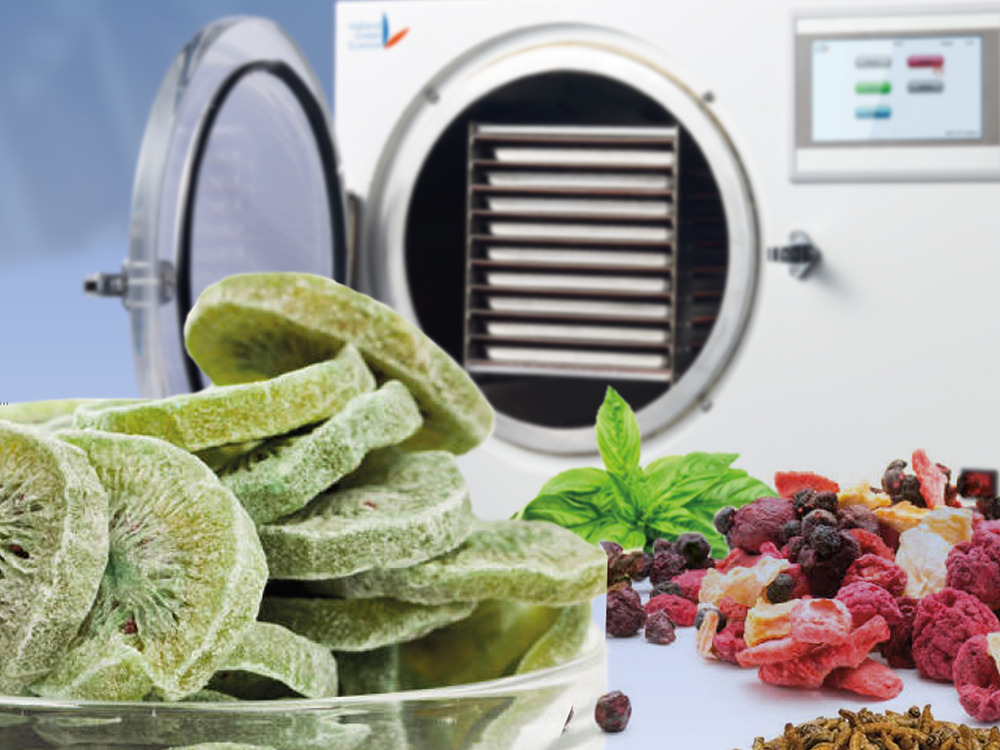
At-home freeze drying machines are compact units designed to freeze dry food items with ease. These machines use a process called sublimation to remove moisture from the food, resulting in the preservation of its texture, flavor, and nutrients. With the advancements in technology, there are a variety of options available in the market, catering to different budget and capacity needs. Do thorough research and choose a machine that best suits your requirements.
Tips For Successful Home Freeze Drying
Successful home freeze drying requires careful preparation and attention to detail. Here are some tips to ensure your DIY freeze drying efforts are fruitful:
- Start with fresh, high-quality produce to achieve the best results.
- Slice or chop the food items into even pieces to promote uniform freeze drying.
- Pre-freeze certain foods before placing them in the freeze dryer to expedite the process.
- Seal the freeze-dried items in airtight containers or vacuum-sealed bags to maintain their freshness.
- Label and date the packages for easy identification and rotation of stock.

Credit: www.amazon.com
Commercial Freeze Drying Services
Discover the best items for commercial freeze-drying services, including fruits, vegetables, meats, dairy, and prepared meals. Freeze drying preserves nutrients and flavor, making it an ideal technique for extending shelf life while maintaining high quality.
Benefits Of Using Professional Services
Popular Items For Commercial Freeze Drying
When it comes to Commercial Freeze Drying Services, opting for professional assistance can provide numerous advantages. Professional services ensure efficient and safe freeze-drying processes. Companies offering these services are equipped with state-of-the-art technology that guarantees the highest quality results. Benefits of Using Professional Services: – Preservation of Nutritional Value – Extended Shelf Life – Consistency in Results – Time-Saving – Customization Options Commercial freeze-drying services can cater to a wide range of items for both businesses and individuals. Let’s explore some of the popular items that are commonly freeze-dried for commercial purposes.| Item | Application |
|---|---|
| Fruits | Snacks, Baking |
| Meat | Emergency Food Supply |
| Dairy Products | Camping Food |
| Vegetables | Meal Prepping |
Future Trends In Freeze Drying
Advancements in Freeze Drying TechnologyRecent innovations have revolutionized freeze drying, making the process more efficient.
- Improved vacuum systems for faster drying times
- Automated control systems for precise monitoring
Freeze drying is expanding beyond traditional uses, opening up new possibilities.
- Medical industry for preserving pharmaceuticals
- Cosmetics sector for enhancing product longevity
Frequently Asked Questions Of Best Things To Freeze Dry
What Foods Are Best To Freeze-dry?
The best foods to freeze-dry are fruits, vegetables, and meats due to their low moisture content, preserving flavor and nutrients effectively.
What Should You Not Freeze-dry?
Avoid freeze-drying dairy products, high-fat foods, whole eggs, and raw fruits and vegetables. Items with high water content do not freeze-dry well.
What Is The Most Popular Freeze-dried Candy?
The most popular freeze-dried candy is astronaut ice cream. It is crunchy, flavorful, and beloved by many.
What Are The Disadvantages Of Freeze-drying?
Freeze-drying has a few disadvantages. It is a time-consuming process and requires expensive equipment. The process can also cause some loss of nutrients in the food. Additionally, freeze-dried products are often more expensive than their fresh counterparts.
Conclusion
Freeze drying is a versatile and efficient way to preserve food and other items. From fruits and vegetables to meat and even medications, the possibilities are endless. Incorporating freeze-dried items into your lifestyle can enhance your culinary experiences and provide long-lasting shelf stability.
With its numerous benefits, freeze drying is a valuable method to consider for preservation.