To cook and freeze chicken, the best way is to first cook it thoroughly, then let it cool before placing it in an airtight container or freezer bag. This helps to maintain the chicken’s flavor and texture when reheated.
Cooking and freezing chicken is a convenient way to have pre-cooked protein on hand for quick and easy meals. Whether you prefer to grill, bake, or roast your chicken, there are several methods you can use to achieve delicious results.
Once cooked, properly storing the chicken in the freezer ensures it stays fresh for an extended period. With the right approach, you can have a supply of ready-to-eat chicken available for salads, sandwiches, stir-fries, and more. This guide will explore the best methods for cooking and freezing chicken to help you maintain its quality and flavor.
:max_bytes(150000):strip_icc()/Simply-Recipes-Freezer-Burn-Meat-LEAD-7a165bbf3632461f9083cdb7cb2369d5.jpg)
Credit: www.simplyrecipes.com
Choosing The Right Chicken Cuts
When it comes to cooking and freezing chicken, selecting the right cuts is crucial for optimal taste and texture. Here we’ll delve into the nuances of choosing the right chicken cuts for your culinary endeavors.
Boneless Vs. Bone-in Chicken
Bone-in Chicken: Retains more flavor during cooking but takes longer to cook.
Boneless Chicken: Cooks faster and is easier to eat but may lack some flavor compared to bone-in options.
Skin-on Vs. Skinless Chicken
Skin-on Chicken: Retains moisture and adds flavor but can result in a higher calorie content.
Skinless Chicken: Lower in calories and fat, ideal for those looking for a leaner option, but may be drier when cooked.
Prepping The Chicken For Cooking
When it comes to cooking and freezing chicken, prepping the chicken for cooking is a crucial step that can significantly impact the taste and texture of the final dish. Properly preparing the chicken ensures that it is flavorful, tender, and safe to eat. In this section, we will explore the essential steps to take when prepping chicken for cooking, including thawing methods, marinades, and seasonings.
Thawing Methods
Thawing chicken properly is vital to ensure that it remains safe to eat. There are three recommended methods to thaw chicken safely:
- Refrigerator: Place the chicken in its original packaging or a sealed bag on a plate and allow it to thaw in the refrigerator for 24-48 hours, depending on its size.
- Cold Water: Submerge the sealed chicken in a bowl of cold water, changing the water every 30 minutes until thawed.
- Microwave: Use the defrost setting on your microwave, rotating and flipping the chicken pieces regularly to ensure even thawing.
Marinades And Seasonings
Marinating the chicken can enhance its flavor and tenderness. Consider marinating the chicken in a mixture of olive oil, citrus juice, herbs, spices, and garlic for at least 30 minutes before cooking. Additionally, seasoning the chicken with smoked paprika, cayenne pepper, or herb-infused salts can add depth to the flavor profile.
Cooking Techniques For Chicken
When it comes to cooking chicken, there are various techniques you can use to achieve delicious and flavorful results. Whether you prefer grilling, baking, or stovetop cooking, each method offers its own unique advantages. In this section, we will explore these cooking techniques in more detail and provide you with tips on how to cook chicken to perfection.
Grilling
Grilling is a popular cooking method that imparts a smoky and charred flavor to the chicken. To grill chicken, start by preheating the grill to medium-high heat. Before placing the chicken on the grill, make sure to season it with your favorite herbs, spices, or marinade to enhance its taste. Next, place the chicken on the grill grates and cook it for about 6-8 minutes per side, or until the internal temperature reaches 165°F.
Here are some key tips for grilling chicken:
- Preheat the grill to ensure even cooking.
- Oil the grill grates or use a non-stick cooking spray to prevent sticking.
- Flip the chicken only once to promote the formation of grill marks.
- Use a meat thermometer to check for doneness.
Baking
Baking is another excellent way to cook chicken, especially when you want to achieve a crispy and golden crust. To bake chicken, preheat your oven to 400°F. Season the chicken with your desired spices or rub and place it on a greased baking sheet or a rack inside a baking dish. Bake the chicken for approximately 25-30 minutes or until it reaches an internal temperature of 165°F.
Consider the following tips when baking chicken:
- Pat the chicken dry before seasoning to enhance crispiness.
- Elevate the chicken on a rack to promote air circulation and even browning.
- Rotate the chicken halfway through baking for uniform cooking.
- Let the chicken rest for a few minutes before serving to retain its juices.
Stovetop Cooking
Stovetop cooking methods like sautéing and pan-frying are perfect for quick and easy chicken dishes. To sauté chicken, heat a skillet or frying pan over medium-high heat and add a small amount of oil or butter. Once hot, add the chicken to the pan and cook for around 4-6 minutes per side, or until it is thoroughly cooked. For pan-frying, follow a similar process but use more oil or butter to achieve a crispy exterior.
Here are some tips for stovetop cooking:
- Ensure the pan is hot before adding the chicken to prevent sticking.
- Do not overcrowd the pan to allow for proper browning.
- Use a splatter guard to prevent oil splatters.
- Place the cooked chicken on a paper towel to remove excess oil.
By utilizing these cooking techniques, you can create a wide variety of delicious chicken dishes. Whether you prefer the smoky flavor of grilled chicken, the crispy texture of baked chicken, or the quick and easy stovetop cooking, there is a method to suit your taste and culinary preferences.
Freezing Chicken Properly
When it comes to freezing chicken, proper packaging and labeling are key to ensure its quality and safety. By following the right steps, you can preserve the taste and texture of your chicken, making it convenient to have on hand whenever you need it. In this section, we will discuss the best practices for packaging your chicken for freezing and the importance of labeling and dating your frozen chicken.
Packaging For Freezing
Proper packaging is crucial to maintain the freshness of the chicken and prevent the risk of freezer burn. To package your chicken for freezing:
- Start by removing any excess moisture from the chicken. Pat it dry using paper towels.
- Divide the chicken into portions according to your needs. Whether you prefer individual servings or family-sized portions, make sure each piece is of a manageable size.
- Wrap each portion tightly in plastic wrap, aluminum foil, or freezer paper. Ensure there are no gaps or air pockets that can cause freezer burn.
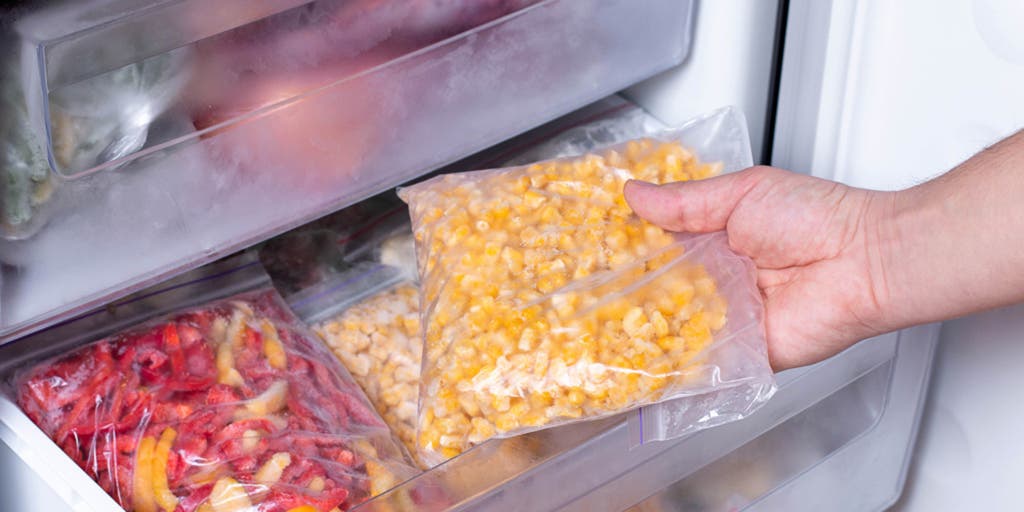
- Place the wrapped portions in airtight freezer bags or freezer-safe containers. Remove as much air as possible before sealing.
- If using freezer bags, consider double-bagging for added protection.
Labeling And Dating
Labeling and dating your frozen chicken is essential for easy identification and maintaining proper food safety. Without clear labels, it’s easy to confuse different types of meat or forget when it was stored. Here’s how to properly label and date your frozen chicken:
- Use waterproof labels or a permanent marker to clearly indicate the contents of each package.
- Include the date of freezing to keep track of how long the chicken has been in the freezer.
- Additional information such as the weight of the chicken and any marinades or seasonings used can also be helpful.
- Arrange your frozen chicken in the freezer with the oldest packages at the front for easy access and use.
By following these simple steps for packaging, labeling, and dating your frozen chicken, you can ensure its quality and make meal planning a breeze. Next time you need chicken for a recipe, you’ll have perfectly frozen portions ready to go!
Avoiding Common Mistakes
When cooking and freezing chicken, it’s essential to avoid common mistakes to ensure the best quality and taste. Overcooking Chicken overcooking leads to dry, rubbery chicken, ruining the taste.
Incorrect Freezing Methods
Improper freezing methods can result in freezer burn and compromise the texture and flavor.
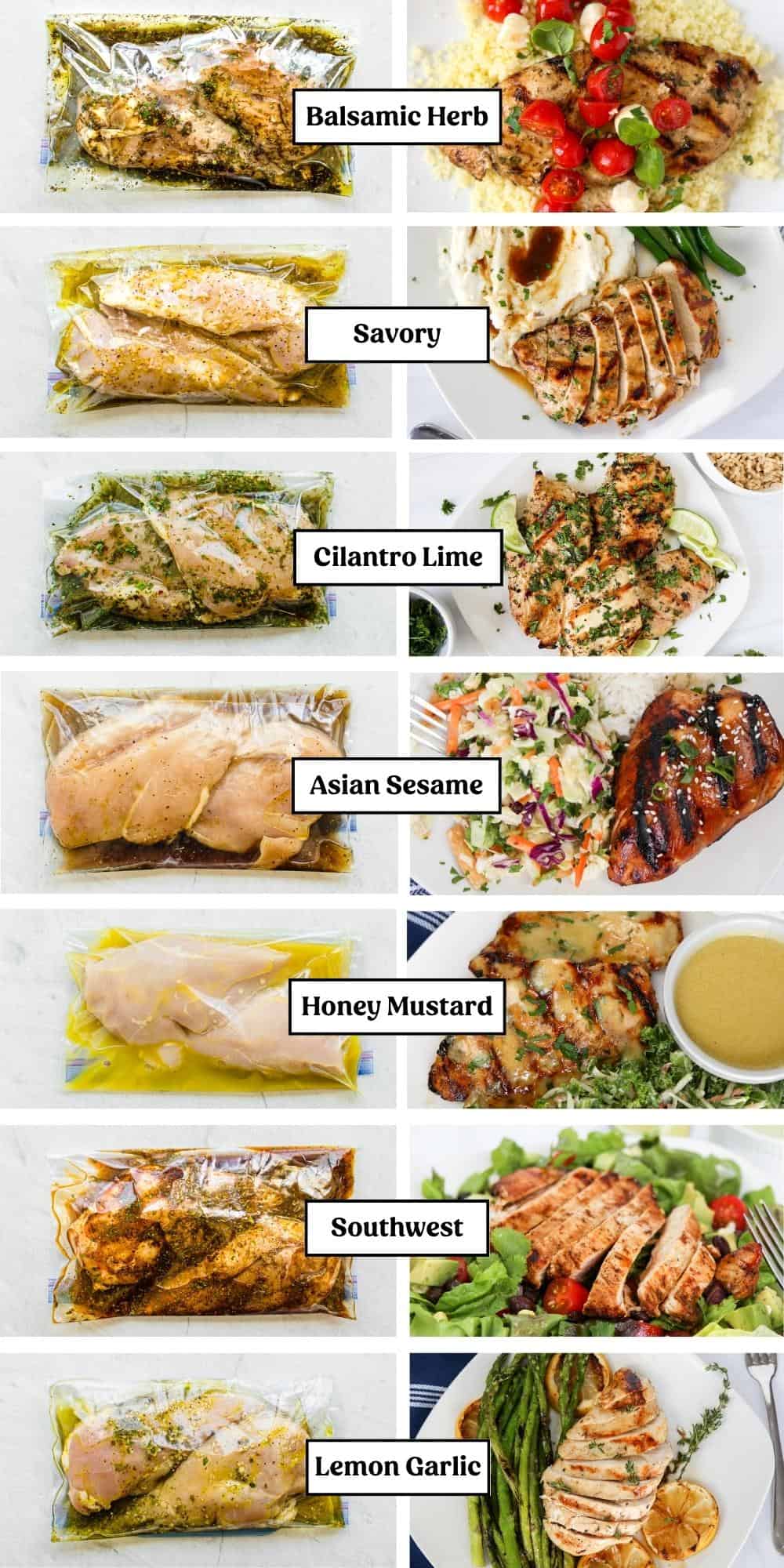
Credit: thrivinghomeblog.com
Tips For Reheating Frozen Chicken
Tips for Reheating Frozen Chicken:
Oven Reheating
Preheat the oven to 375°F. Place the frozen chicken in a baking dish and cover with foil. Bake for 25-30 minutes.
Microwave Reheating
Place the frozen chicken on a microwave-safe plate and cover with a damp paper towel. Microwave on high for 2-3 minutes.
Incorporating Frozen Chicken Into Recipes
When it comes to incorporating frozen chicken into recipes, it’s important to consider cooking methods that maintain flavor and texture. Once chicken has been properly cooked and frozen, it can easily be used in a variety of dishes, providing convenience and saving time during meal preparation.
Stir-fries
Stir-fries are a versatile and quick way to utilize frozen chicken. Slice the chicken into thin strips before cooking for even distribution and faster cooking time. By adding the frozen chicken strips directly into the hot skillet along with vegetables and sauce, you can create a delicious and wholesome meal in minutes.
Soups And Stews
Frozen chicken is an ideal addition to soups and stews. Simply add the frozen chicken pieces to the broth and let it simmer until fully heated, infusing the dish with savory flavors. The texture of the chicken remains tender, making it a convenient option for adding protein to hearty, comforting meals.
Credit: extension.usu.edu
Ensuring Food Safety
When it comes to cooking and freezing chicken, ensuring food safety is of utmost importance. By following proper thawing safety precautions and storage guidelines, you can maintain the quality and safety of your frozen chicken. Let’s explore these steps in detail:
Thawing Safety Precautions
Thawing chicken properly is crucial to prevent the growth of harmful bacteria. To ensure food safety, consider the following thawing safety precautions:
- Always thaw chicken in the refrigerator, where temperature is consistently below 40°F.
- Place the chicken in a leak-proof plastic bag or on a plate to prevent any juices from contaminating other foods.
- Avoid thawing chicken at room temperature, as this allows bacteria to multiply rapidly.
- Never thaw chicken by placing it under hot water or using a microwave, as these methods can lead to uneven thawing and promote bacterial growth.
- Ensure that the chicken is completely thawed before cooking, as cooking frozen or partially frozen chicken can increase the risk of foodborne illnesses.
Storage Guidelines
Properly storing your cooked and frozen chicken is essential for maintaining its quality and safety. Here are some guidelines to follow:
- Use airtight containers or freezer bags to store the cooked chicken.
- Label the containers with the date of freezing to keep track of the freshness.
- Store the chicken in the coldest part of the freezer, maintaining a temperature of 0°F or below.
- Avoid overloading the freezer, as it can lead to uneven freezing and affect the chicken’s quality.
- Keep the freezer door closed as much as possible to maintain a consistent temperature and prevent freezer burn.
- Follow the recommended storage duration for frozen chicken. Generally, cooked chicken can be safely stored in the freezer for up to four months.
Frequently Asked Questions Of Best Way To Cook And Freeze Chicken
What Is The Best Way To Cook Chicken For Freezing?
The best way to cook chicken for freezing is to either bake, grill, or poach it until it reaches a safe internal temperature. Once cooked, allow the chicken to cool completely before portioning it into airtight, freezer-safe containers or bags.
Label and date the containers before placing them in the freezer.
Is It Better To Freeze Chicken Breast Raw Or Cooked?
It is better to freeze raw chicken breast to maintain texture and flavor. Cooked chicken may become dry when frozen.
Can You Cook And Freeze Chicken For Meal Prep?
Yes, you can cook and freeze chicken for meal prep. Ensure proper cooking and storage for freshness.
Do You Have To Defrost Cooked Chicken Before Reheating?
No, you can reheat cooked chicken without defrosting. Simply place it in the oven or microwave.
Conclusion
Mastering the art of cooking and freezing chicken can save time and effort. By following the proper techniques and storage methods, you can enjoy delicious and convenient meals whenever you desire. With these tips, you can upgrade your cooking skills and stay prepared for any culinary adventure.