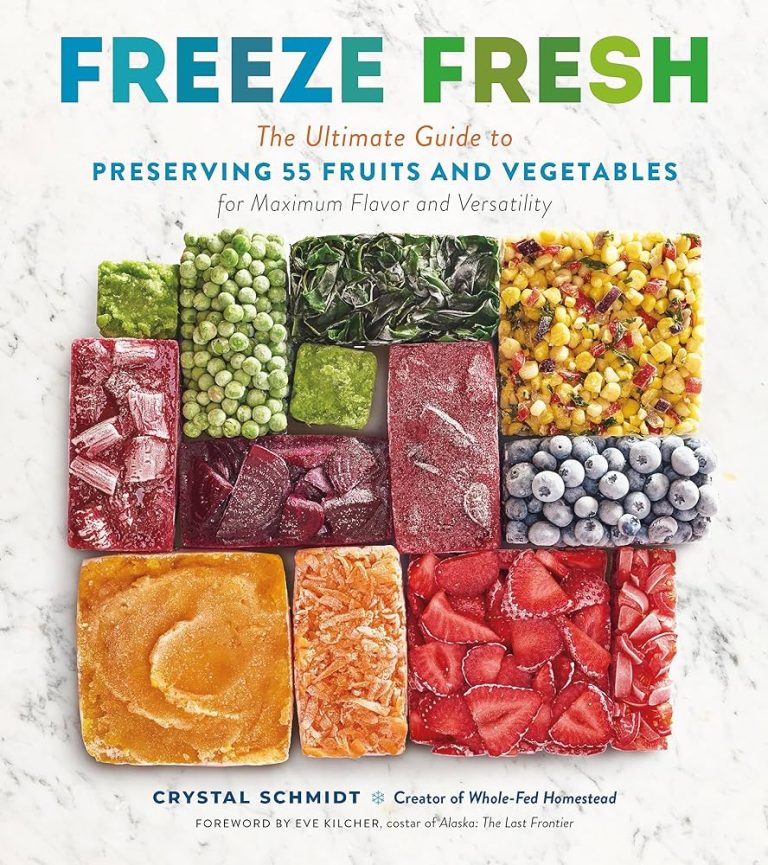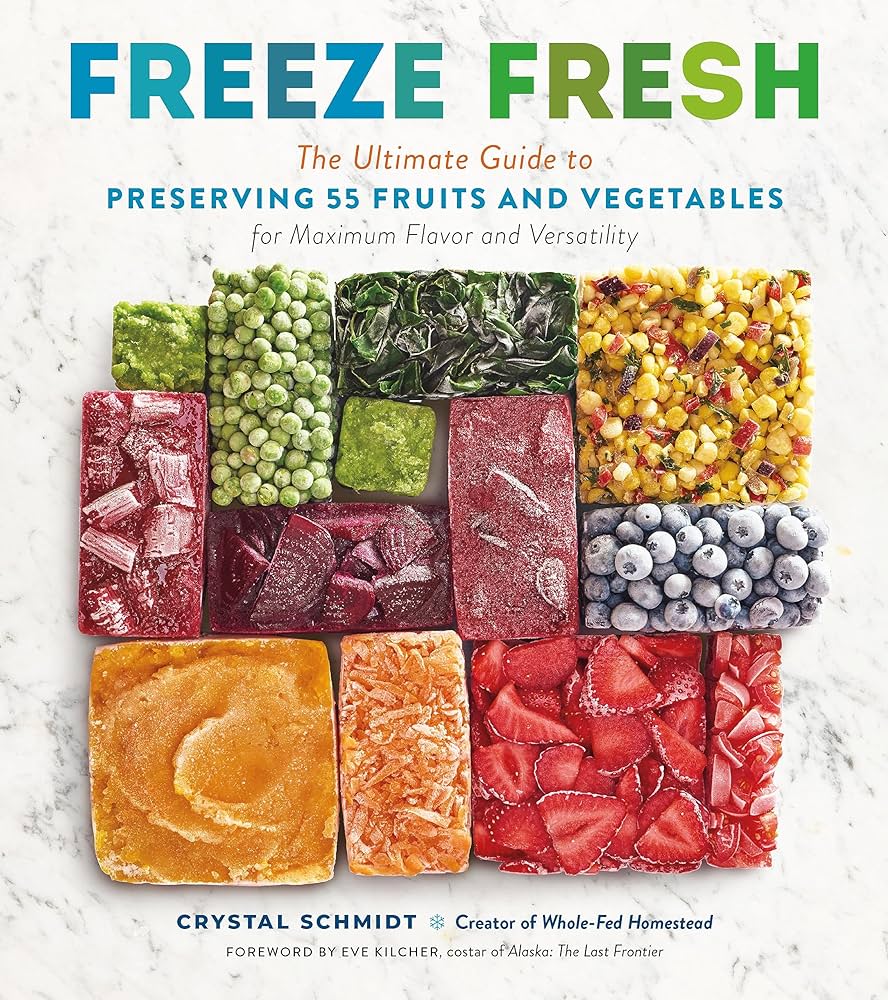
The best way to freeze vegetables is to blanch them first, then spread them out on a baking sheet to freeze individually before transferring to a freezer-safe container. Freezing vegetables is a great way to preserve their freshness and nutritional value for future use.
Whether you have a surplus of fresh produce from your garden or want to take advantage of seasonal sales, freezing vegetables can be a cost-effective and convenient option. By properly preparing and storing your vegetables, you can ensure that they stay delicious and nutritious for an extended period.
We will explore the best methods for freezing a variety of vegetables, as well as tips for maintaining their quality and flavor. Whether you’re a seasoned pro or new to freezing vegetables, this guide will help you make the most of your produce.
Choosing The Right Vegetables
When it comes to freezing vegetables, choosing the right ones is crucial for preserving their texture and flavor. Let’s explore the suitable vegetables that freeze well and the vegetables to avoid freezing to ensure optimal results.
Suitable Vegetables For Freezing
- Broccoli
- Carrots
- Corn
- Peas
- Green Beans
Vegetables To Avoid Freezing
- Lettuce
- Cucumbers
- Radishes
- Potatoes
Preparation And Processing
The preparation and processing of vegetables for freezing is a crucial step in ensuring their quality and longevity. Proper cleaning, cutting, and blanching techniques are essential to preserve the flavor, texture, and nutritional value of the vegetables. Let’s explore the best practices for preparing and processing vegetables for freezing.
Cleaning And Washing Vegetables
Before freezing, ensure that the vegetables are thoroughly cleaned to remove any dirt, debris, or pesticides. Begin by rinsing them under cold water to remove surface impurities. Use a vegetable brush to scrub the vegetables gently and remove any stubborn dirt. Trim off any bruised or damaged areas. This process helps to eliminate any contaminants and ensures that the vegetables are ready for the next stage of processing.
Cutting And Blanching Techniques
After cleaning, it’s important to cut the vegetables into uniform pieces to ensure even blanching and freezing. Use a sharp knife to chop the vegetables into consistent sizes, as this promotes uniform cooking and freezing. Once cut, blanching the vegetables in boiling water for a short period is vital to stop enzyme activity and preserve color, flavor, and nutrients. Follow specific blanching times for different vegetables to achieve optimal results.
Packaging Methods
|
When it comes to freezing vegetables, proper packaging plays a key role in maintaining their freshness and flavor. Choosing the right containers and using proper wrapping techniques are essential for preserving the quality of frozen vegetables. In this section, we will discuss the various packaging methods that can help you freeze your vegetables effectively. Let’s explore! |
Choosing The Right Containers
When freezing vegetables, it’s crucial to choose containers that are specifically designed for this purpose. Opt for:
- Airtight containers with a secure lid to prevent air and moisture from entering.
- Containers made of rigid plastic or glass, as they are less likely to be damaged or crushed in the freezer.
- Containers that are labeled as freezer-safe to ensure they can withstand low temperatures without cracking or breaking.
- Containers that are the appropriate size for your needs, as this helps minimize the amount of air trapped inside the package.
Tips For Proper Wrapping
Properly wrapping vegetables before freezing them helps to preserve their taste, texture, and overall quality. Consider the following tips:
- Wash and thoroughly dry your vegetables before wrapping them. This removes any dirt or bacteria that can affect their flavor.
- For optimal results, blanch the vegetables before freezing. Blanching involves briefly boiling the vegetables, then quickly submerging them in ice water to stop the cooking process. This helps maintain their color, texture, and nutrients.
- Divide the vegetables into small portions or slices, as this allows for easier thawing and portion control.
- Wrap the vegetables tightly using plastic wrap or aluminum foil. Ensure there are no air pockets, as they can lead to freezer burn.
- Label each package with the type of vegetable and the date of freezing. This makes it easier to identify and use them accordingly.
By utilizing these packaging methods, you can ensure that your frozen vegetables stay fresh and delicious, ready to be enjoyed whenever you need them. Happy freezing!

Credit: www.amazon.com
Freezing Techniques
Freezing vegetables is a great way to preserve their freshness and nutritional value. However, to ensure the best results, it’s important to follow proper freezing techniques. In this article, we will explore two effective methods for freezing vegetables: the Flash Freezing Method and Understanding Air-tight Sealing. By mastering these techniques, you can enjoy the benefits of frozen vegetables all year round.
Flash Freezing Method
One of the best techniques for freezing vegetables is the flash freezing method. This method involves rapidly freezing individual pieces of vegetables to prevent them from sticking together and forming a solid mass. It is particularly useful for vegetables like peas, corn, and beans, which tend to clump together when frozen.
To use the flash freezing method, follow these simple steps:
- Wash and prepare the vegetables for freezing, removing any dirt or blemishes.
- Cut the vegetables into small, uniform pieces.
- Spread the vegetable pieces in a single layer on a baking sheet lined with parchment paper.
- Place the baking sheet in the freezer and let the vegetables freeze for a couple of hours until they are firm.
- Transfer the frozen vegetable pieces into airtight freezer bags or containers.
By freezing the vegetables individually before transferring them to airtight containers, you can easily scoop out the desired amount without having to thaw the entire package. This method helps to maintain the quality and freshness of the vegetables over an extended period of time.
Understanding Air-tight Sealing
Another crucial aspect of freezing vegetables is ensuring they are properly sealed to prevent freezer burn and maintain their flavor and texture. Air-tight sealing involves removing as much air as possible from the packaging before storing the vegetables in the freezer.
Here are a few important tips to achieve air-tight sealing:
- Use high-quality freezer bags or containers that are specifically designed for freezing.
- Remove as much air as possible from the bags or containers before sealing them.
- If using freezer bags, squeeze out excess air and seal them tightly. Double-bagging can provide an extra layer of protection.
- If using containers, make sure they have a tight-fitting lid that seals completely.
- Label each package with the type of vegetable and the date of freezing to keep track of freshness.
By properly sealing your frozen vegetables, you can prevent moisture loss and freezer burn, ensuring that they retain their taste, texture, and nutritional value for an extended period of time.
Storage Guidelines
Proper storage of frozen vegetables is essential to maintain their quality and flavor. By following the correct guidelines, you can ensure that your frozen vegetables remain fresh and nutritious.
Organizing Your Freezer
When freezing vegetables, it’s crucial to organize your freezer to maintain their quality and prevent freezer burn. Create designated areas for different types of vegetables in your freezer. Use airtight containers or resealable plastic bags to minimize exposure to air and moisture, which can cause freezer burn. Storing vegetables in the back of the freezer can help protect them from temperature fluctuations when the freezer door is opened.
Labeling And Rotation Practices
Developing a system for labeling and rotation is essential for keeping track of your frozen vegetables. Label each container or bag with the name of the vegetable and the date it was frozen. Use a permanent marker to ensure the label doesn’t smudge or fade. Additionally, establish a “first in, first out” system to ensure that older vegetables are used before newer ones, minimizing the risk of spoilage.
Credit: shop.seedsavers.org
Thawing And Using Frozen Vegetables
Frozen vegetables are a convenient and nutritious option to have on hand. Knowing the best practices for thawing and using frozen vegetables can help you make the most of these versatile ingredients.
Safe Thawing Practices
Thaw frozen vegetables in the refrigerator for the safest option. Alternatively, you can thaw them quickly by running cold water over them. Avoid thawing vegetables at room temperature to prevent bacterial growth.
Creative Ways To Use Frozen Vegetables
Frozen veggies can be used in various ways to add flavor and nutrition to your meals. Try incorporating them into stir-fries, soups, or casseroles for a quick and easy boost of vegetables. For a healthier twist, add them to smoothies or mixed dishes.
Long-term Tips And Tricks
Preserving vegetables long-term through freezing is a great way to ensure you have nutritious produce on hand at all times. To make the most of this method, consider the following tips and tricks:
Extending Shelf Life
- Properly blanch vegetables before freezing
- Spread veggies evenly on a baking sheet before freezing
- Label containers with the freezing date and vegetable type
Reviving Frozen Vegetables
- Thaw vegetables in the fridge overnight
- Use frozen veggies in soups and stews for best results
- Avoid refreezing previously frozen vegetables

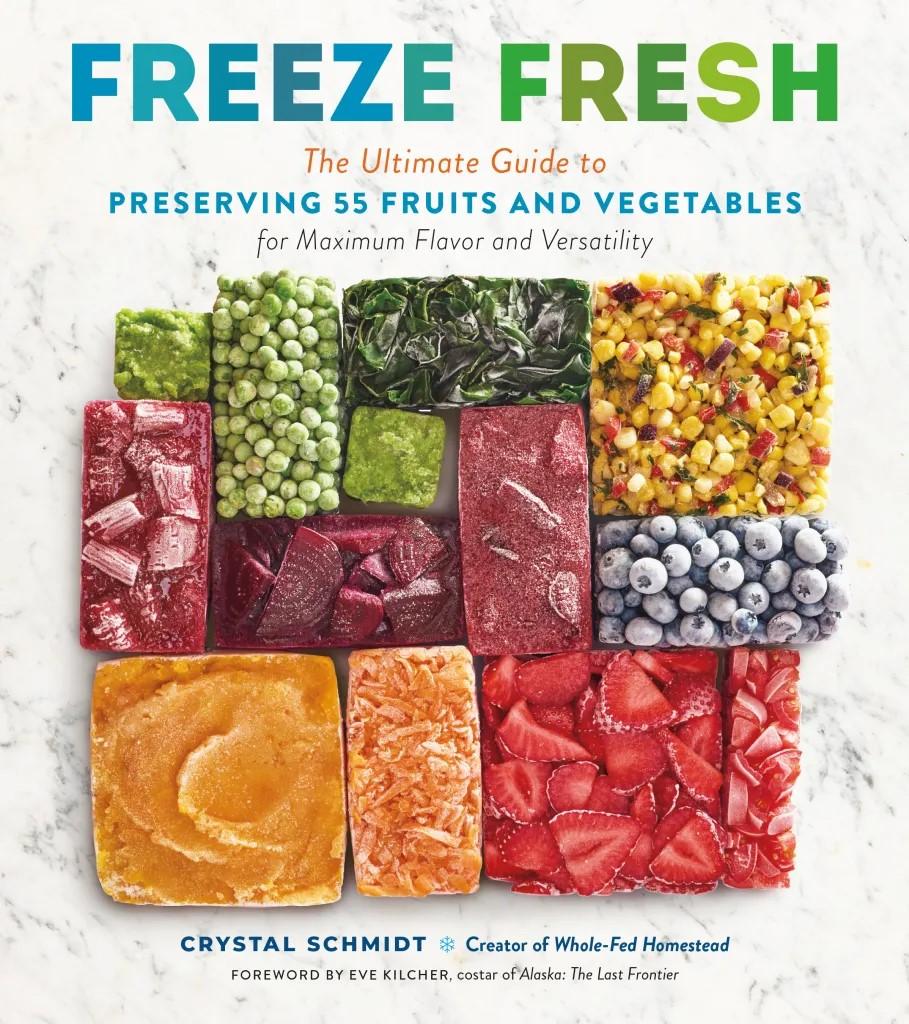
Credit: wholefedhomestead.com
Frequently Asked Questions Of Best Way To Freeze Vegetables
Can Fresh Vegetables Be Frozen Without Blanching?
Yes, fresh vegetables can be frozen without blanching, but the texture may not be as good.
What Vegetables Can I Freeze Raw?
You can freeze raw vegetables like bell peppers, broccoli, carrots, and green beans for future use.
Which Method Should Most Vegetables Be Frozen?
Most vegetables should be frozen using the blanching method.
Which Vegetables Should Not Be Frozen?
Certain vegetables, like lettuce and cucumbers, should not be frozen due to their high water content and texture changes. These veggies may become mushy when thawed, affecting their taste and quality. It’s best to consume these fresh or find suitable preservation methods like canning or pickling.
Conclusion
Freezing vegetables is a convenient way to preserve their freshness and nutrients. By following the best practices, such as blanching and properly packaging the vegetables, you can ensure that they maintain their quality during storage. Whether for meal prep or preserving seasonal produce, freezing vegetables is a great investment in both time and nutrition.