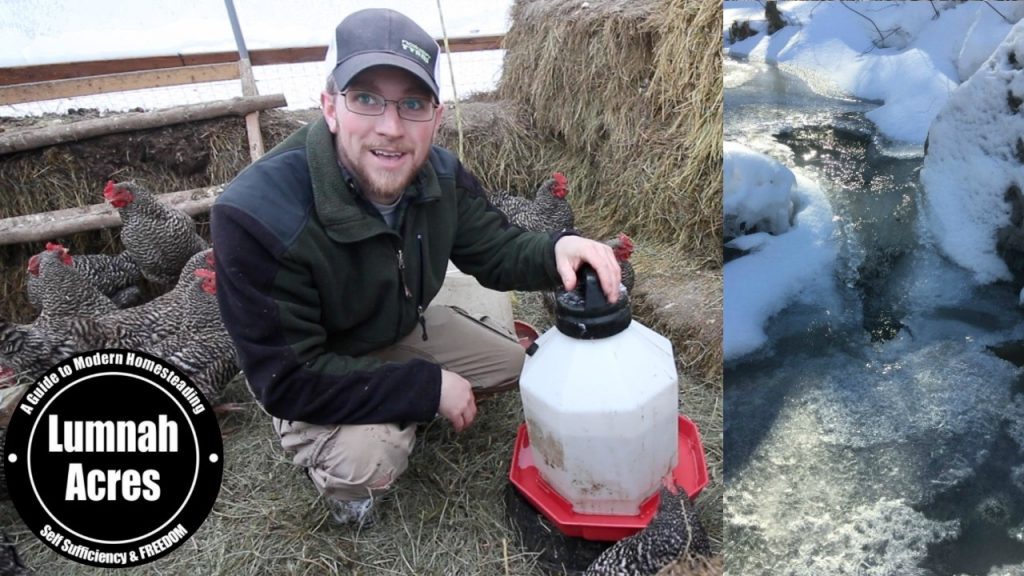
One effective method to prevent chicken water from freezing is to use heated waterers or water heaters. These devices help maintain a suitable water temperature in cold weather, ensuring your chickens have access to unfrozen water.
Keeping the waterers in a sheltered area or insulating them can also help prevent freezing. Additionally, using smaller waterers and refreshing the water more frequently can reduce the likelihood of ice formation. It’s crucial to ensure that your chickens always have access to clean, unfrozen water to maintain their health and well-being during the winter months.
By implementing these strategies, you can successfully keep your chicken water from freezing and provide optimal care for your feathered friends.

Credit: www.delish.com
Understanding The Problem
When it comes to tending to your flock during the winter, keeping their water from freezing is a top priority. Understanding the factors causing chicken water to freeze and implementing effective solutions is crucial for the well-being of your chickens.
Factors Causing Chicken Water To Freeze
Several factors contribute to the freezing of chicken water, making it challenging to maintain a consistent water supply for your flock. Some of the primary factors include:
- Rapid temperature fluctuations
- Exposure to wind and cold temperatures
- Insufficient insulation of water containers
- Shallow water depth
Ensuring Each Heading Adheres To Html Syntax
By ensuring that we use the proper HTML syntax for our subheadings, we maintain consistency and clarity in our content structure, improving the overall user experience and search engine optimization.
Insulating Chicken Waterer
Ensuring the chicken water doesn’t freeze is crucial for the well-being of your poultry, especially during cold winter months. One effective way to prevent freezing is by insulating the chicken waterer properly.
Types Of Insulation Materials
- Reflective insulation
- Foam insulation
- Fiberglass insulation
Diy Insulation Techniques
- Wrap the waterer with foam pipe insulation
- Use a water heater base with insulation
These DIY techniques are cost-effective and efficient in preventing water freezing.
Heating Methods
When it comes to keeping your chicken’s water from freezing during the cold winter months, there are several effective heating methods to consider. These methods ensure that your chickens have access to clean, unfrozen water at all times, promoting their health and well-being.
Electric Water Heaters
One of the most common and reliable ways to heat your chicken’s water is by using an electric water heater. These heaters are designed specifically for poultry and can easily be placed in the water container to keep the water at a constant temperature. The electric water heater is a convenient option as it automatically adjusts its temperature to prevent freezing.
If you are using an electric water heater, ensure that it is installed correctly and that all electrical connections are safe and secure. It’s essential to regularly inspect and maintain the heater to prevent any malfunctions or accidents. By using this method, you can ensure that your chickens have access to clean drinking water throughout the winter.
Solar-powered Options
For those looking for a more environmentally-friendly option, solar-powered heaters are an excellent choice. These heaters harness the power of the sun to provide warmth to your chicken’s water. Solar-powered options are easy to install and require minimal maintenance, making them a cost-effective and sustainable solution.
When choosing a solar-powered heater, opt for models with built-in thermostats and insulation to ensure that the water temperature stays above freezing. It’s crucial to place the solar panel in an area with maximum sunlight exposure to optimize the heater’s performance.
Insightful Tips
Regardless of the heating method you choose, here are some additional tips to keep in mind:
- Regularly check the water container for any ice buildup and clean it as needed.
- Use insulated water containers or add insulation material around the container to retain heat better.
- Consider using a heated base under the water container for extra warmth.
- Ensure that the water container is positioned in a sheltered area away from direct wind and precipitation.
- Make sure there is always a backup heating method available in case of power outages or failures.
With these heating methods and tips, you can provide your chickens with a constant supply of unfrozen water throughout the winter, keeping them healthy and hydrated. Choose the method that works best for your needs and enjoy the peace of mind knowing that your feathery friends are well taken care of in any weather.

Credit: m.youtube.com
Traditional Solutions
Keep chicken water from freezing with traditional solutions like heated waterers or placing a light bulb near the water source. Insulating the water container and using a solar-powered option can also prevent freezing, ensuring a constant water supply for your poultry during the colder months.
Use Of Heated Waterer Bases
One of the traditional solutions for keeping chicken water from freezing is the use of heated waterer bases. These bases are designed to provide a gentle heat and prevent the water from freezing even in the coldest temperatures.
Heated waterer bases are available in different sizes and styles to suit the needs of chicken keepers. They are typically made from durable materials such as stainless steel or plastic, which are resistant to rust and corrosion.
The heated waterer base is placed under the waterer and connected to a power source. Once plugged in, it gradually warms the water to prevent it from freezing. The heat generated is not too hot or harmful to the chickens, ensuring their safety.
Using a heated waterer base eliminates the need for constantly changing frozen water or using alternative heat sources. It provides a convenient and efficient way to ensure that chickens always have access to clean, fresh water, especially during the winter months.
Addition Of Salt Or Sugar
Another traditional solution to keep chicken water from freezing is adding salt or sugar to the water. This simple method helps to lower the freezing point of the water, preventing it from solidifying into ice.
When using salt, it’s important to use it sparingly to avoid harmful effects on the chickens. A pinch of salt is usually enough for a small water container. It’s recommended to use non-iodized salt, such as table or rock salt, as iodized salt may have negative impacts on the chickens’ health.
Sugar can also be used as an alternative to salt. Just like salt, a small amount of sugar is enough to prevent freezing. However, it’s important to note that adding sugar to the water may attract pests such as ants or bees, so precautions should be taken to prevent infestations.
Both salt and sugar are inexpensive and readily available, making them accessible solutions for chicken keepers. However, it’s essential to monitor the water regularly and ensure that the chickens are still consuming enough water, as some chickens may be less inclined to drink water with a different taste.
Innovative Approaches
1. Set up a solar-powered water pumping system for a constant supply of water.
2. Keep a stock of heated water bottles ready to replace frozen water containers.
3. Use insulating covers on existing water sources to prevent freezing.
1. Install heated water dispensers that activate when the water nears freezing point.
2. Employ a gravity-fed water system with a heat source to prevent freezing.
3. Utilize heated electric waterers with temperature control mechanisms.
Credit: citygirlfarming.com
Winter Maintenance Tips
Keep your chickens’ water from freezing during winter with these simple maintenance tips. Implement insulation methods, heated waterers, and regular water checks to ensure your feathered friends have access to unfrozen water all season long.
Winter months bring the challenge of keeping your chicken’s water from freezing. Regular maintenance is essential to ensure your poultry stays hydrated during the cold season. Here are some winter maintenance tips to keep chicken water from freezing and ensure their well-being.Regularly Checking For Ice Buildup
Regularly check the water containers for any ice buildup. Remove any ice that has formed and refill with fresh water. Incorporating a heated water system can also prevent freezing, keeping the water in its liquid state regardless of the outside temperature.Preventing Water Contamination
Protect your chickens’ water from contamination by ensuring that the water containers are clean and free from debris. Use a cover or lid to prevent foreign objects and contaminants from entering the water. Additionally, consider using a heated waterer for your chickens, as this can help maintain a consistent temperature and prevent freezing. By implementing these winter maintenance tips, you can ensure that your chickens have access to unfrozen water, promoting their health and well-being during the colder months.Frequently Asked Questions Of Best Way To Keep Chicken Water From Freezing
How To Keep My Chickens Water From Freezing Without Electricity?
To prevent chicken water from freezing without electricity, use insulated water containers or heated waterers. You can also add a safe heating element like a heated base or nipple waterer heaters.
How Do You Keep Outside Animal Water From Freezing?
To keep outside animal water from freezing, use a heated water bowl or add a heated waterer to prevent ice formation. You can also insulate the water container, use a solar-powered water heater or install a heated water hose. Regularly check and refill water to ensure it remains unfrozen.
What Can I Add To Water To Keep It From Freezing?
You can add salt to water to prevent freezing. The salt lowers the freezing point.
Will Ping Pong Balls Keep Water From Freezing?
No, ping pong balls will not keep water from freezing as they do not insulate enough to prevent freezing.
Conclusion
Ensuring your chicken’s water stays unfrozen is crucial for their well-being. By implementing these effective methods, you can prevent water from freezing in colder months. By applying these practical solutions, you can keep your chickens healthy and hydrated throughout the winter season.
Optimal care leads to happy, thriving chickens.