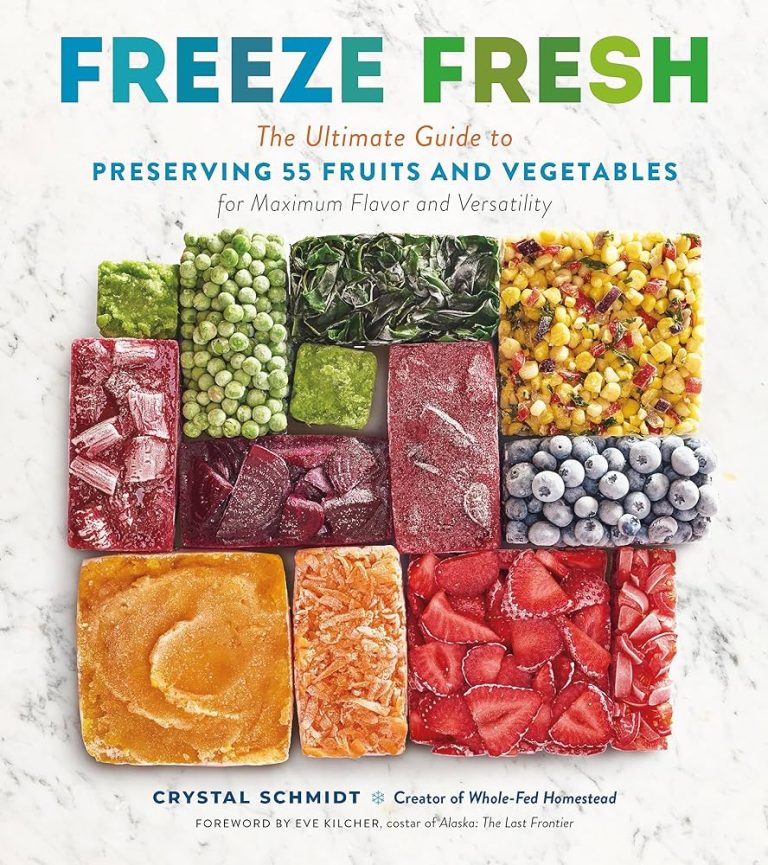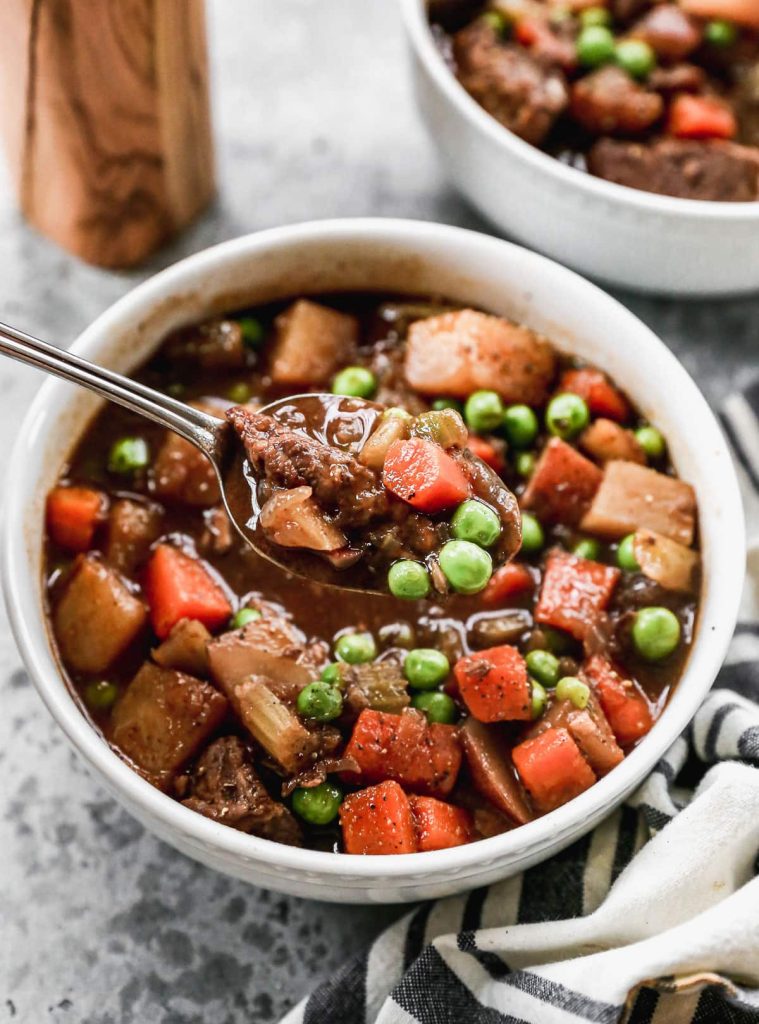
For the best freezer for meat storage, consider a chest freezer with ample capacity and efficient cooling technology. Chest freezers provide optimal space and temperature control for storing various cuts of meat.
When it comes to preserving your meat supply, having a reliable freezer is essential. A suitable freezer should maintain consistent temperatures, prevent freezer burn, and offer sufficient room for storing different types of meats. By choosing a freezer with features like adjustable thermostat settings and an energy-efficient design, you can ensure your meat stays fresh and flavorful for longer periods.
Whether you’re stocking up on bulk purchases or storing seasonal harvests, investing in a quality freezer is a smart choice for any meat enthusiast.
The Importance Of Proper Freezer For Meat Storage
Proper freezer for meat storage is crucial for maintaining freshness and quality. Choosing the right freezer suitable for storing various types of meat can impact on meat quality.
Choosing The Right Freezer
A proper freezer should have enough capacity to store meat efficiently. Consider factors like size, compartments, and energy efficiency when selecting a freezer.
Understanding The Impact On Meat Quality
The type of freezer you choose can affect the texture and taste of the meat. Ensure proper temperature control to prevent freezer burn and maintain freshness.

Credit: www.amazon.com
Types Of Freezers Suitable For Meat Storage
When it comes to storing meat properly, having a reliable freezer is essential. There are two main types of freezers that are commonly used for meat storage: chest freezers and upright freezers. Each type has its own advantages and considerations to keep in mind.
Chest Freezers
A chest freezer is a type of freezer that opens from the top, similar to a chest. It provides a large storage space and is ideal for storing bulk quantities of meat. Chest freezers offer several benefits for meat storage:
- Sufficient storage capacity: The spacious design of a chest freezer allows you to store a significant amount of meat, whether it’s fresh cuts or pre-packaged items. This is perfect for those who prefer to buy meat in bulk or stock up during sales.
- Better temperature retention: Chest freezers typically have thicker walls and lids, which helps to maintain a consistent temperature. This ensures that your meat stays frozen at the optimum temperature, reducing the risk of spoilage.
- Energy efficiency: Due to their design, chest freezers are more energy-efficient compared to upright freezers. The top-opening design prevents cold air from escaping easily when the freezer is opened.
Upright Freezers
An upright freezer, on the other hand, is similar in appearance to a traditional refrigerator. It features a vertical door that opens from the front. Upright freezers are another great option for meat storage, offering some unique advantages:
- Easy organization: Upright freezers typically come with shelves, drawers, and compartments, making it easier to organize and locate the specific meat items you need. This can be especially useful when you have a variety of cuts and packages.
- Space-saving design: If you have limited floor space, an upright freezer may be more practical as it takes up less floor space than a chest freezer. Its vertical design allows it to fit seamlessly into your kitchen or storage area.
- Convenient access: Upright freezers have a front-opening design that allows for easy access to your stored meat. You don’t need to reach deep into the freezer like with a chest freezer, making it more convenient to grab what you need quickly.
In conclusion, whether you choose a chest freezer or an upright freezer for meat storage, both types have their own benefits. Consider your space availability, storage needs, and personal preferences to make the best choice for storing your meat safely and efficiently.
Key Features To Look For In A Freezer For Meat Storage
Choosing the right freezer for meat storage is crucial to ensure your meat stays fresh and lasts longer. The ideal freezer should have key features that provide optimal temperature control, proper storage space, and organization. Let’s explore these features in more detail.
Optimal Temperature Control
One of the most important features to consider when selecting a freezer for meat storage is optimal temperature control. To keep your meat fresh and prevent bacterial growth, it is essential to maintain a consistently low temperature. Look for a freezer that offers a wide temperature range, typically between -18°C to -24°C (-0.4°F to -11.2°F), as this ensures the meat remains frozen without compromising its quality.
Proper Storage Space And Organization
Another crucial aspect to consider is the storage space and organization of the freezer. You want a freezer that provides enough room to accommodate your meat without overcrowding. Consider the available capacity of the freezer, measured in cubic feet, and ensure it is suitable for your storage needs.
Moreover, it’s important to evaluate the internal organization of the freezer. Look for features such as adjustable shelves, drawers, and dividers that allow you to customize the space according to the size and shape of different meat cuts. This helps in maximizing the storage capacity while keeping the meat organized and easily accessible.
If you are dealing with larger cuts of meat or intend to store large quantities, a chest freezer might be a better option. Chest freezers offer more floor space and can accommodate bulkier items.
Energy Efficiency
In addition to temperature control and storage space, energy efficiency is an important consideration. Since a freezer runs continuously, it’s essential to choose one that is energy efficient to reduce electricity costs and minimize your environmental impact.
Look for freezers labeled with Energy Star® certification, as these models are designed to consume less energy without compromising performance. Choosing an energy-efficient freezer not only saves you money in the long run but also contributes to a more sustainable lifestyle.
Nofrost Technology
NoFrost technology is worth considering when selecting a freezer for meat storage. This technology helps prevent the build-up of ice crystals inside the freezer, eliminating the need for manual defrosting. Ice crystals can damage the texture and flavor of frozen meat, while also leading to freezer burn.
By choosing a freezer with NoFrost technology, you can ensure that your meat stays in the best condition without the hassle of defrosting. This feature not only saves you time but also extends the shelf life of your meat by maintaining a consistent temperature and humidity level.
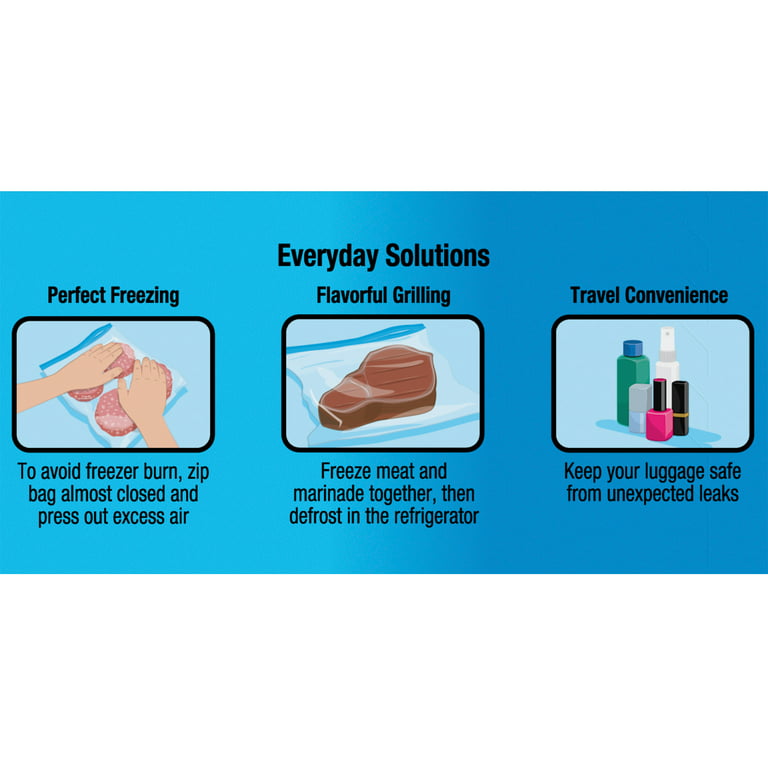
Credit: www.walmart.com
Tips For Maintaining Meat Quality In The Freezer
Proper care of meat in the freezer is essential for retaining its flavor and texture. Here are some key tips to ensure your frozen meat stays fresh and delicious:
Proper Packaging Techniques
- Keep meat portions small for quicker freezing and thawing.
- Wrap meat in airtight packaging to prevent freezer burn.
Pre-freezing Preparation Methods
- Pat dry meat before freezing to reduce ice crystals formation.
- Label packages with date and type of meat for easy identification.
Best Practices For Freezing Different Types Of Meat
When it comes to freezing different types of meat, it’s important to follow best practices to ensure the quality and taste are preserved. Proper freezing techniques can help maintain the flavor and texture of the meat, extending its shelf life and preventing freezer burn. Let’s explore the best practices for freezing beef, pork, poultry, and seafood.
Beef And Pork
When freezing beef and pork, it’s essential to properly wrap and seal the meat to prevent freezer burn and maintain its freshness. Here are the best practices to follow:
- Divide the meat into portion sizes suitable for your needs.
- Wrap the portions tightly in plastic wrap or aluminum foil to prevent air exposure.
- Place the wrapped portions in a resealable freezer bag, removing as much air as possible before sealing it.
- Label each package with the date of freezing to ensure proper rotation of stock.
By following these best practices, you can maintain the quality of your beef and pork for an extended period.
Poultry And Seafood
Freezing poultry and seafood requires careful handling to preserve their delicate textures and flavors. Here are the best practices for freezing poultry and seafood:
- Remove excess moisture from the poultry or seafood before freezing to prevent ice crystals from forming.
- Wrap the items tightly in plastic wrap or vacuum-sealed bags to minimize air exposure.
- Place the wrapped items in a resealable freezer bag and remove excess air before sealing it.
- Store the poultry and seafood in the coldest part of the freezer to maintain their freshness.
Following these best practices will help ensure that your poultry and seafood retain their quality and flavor when thawed for future use.

Credit: www.amazon.com
Avoiding Common Mistakes In Freezing Meat
When it comes to storing meat in the freezer, avoiding common mistakes is crucial to maintain its quality and taste. Overcrowding the freezer and ignoring freezer burn prevention are two significant errors that can lead to meat spoilage and wastage.
Overcrowding The Freezer
Overcrowding the freezer can hinder the circulation of cold air, leading to uneven freezing and potential thawing of meat. By overfilling the freezer, there may not be enough space for air to properly circulate, resulting in a decrease in temperature and compromised food quality.
- Overfilling the freezer disrupts the airflow.
- Uneven freezing can lead to spoilage.
- Ensure there is adequate space for air circulation.
Ignoring Freezer Burn Prevention
Taking preventive measures to avoid freezer burn is essential. Freezer burn occurs when meat is exposed to air, leading to dehydration and oxidation. Ignoring proper packaging and long-term storage strategies can result in loss of flavor and texture.
- Use airtight, moisture-resistant packaging.
- Consider using vacuum-sealed bags for long-term storage.
- Rotate older meat to the front for quicker use.
Adapting To Various Freezer Size Limitations
Small Freezer Solutions
If you have a small freezer but love to stock up on meat, don’t worry! There are several smart solutions to make the most of your limited freezer space. Firstly, consider using vacuum-sealed bags to save precious space. Removing excess air from the packaging not only reduces the overall size but also helps prevent freezer burn. Secondly, try to organize your meats by type, using separate containers or bags for different cuts. This will make it easier to locate specific items and maximize every inch of available space.
Leveraging Freezer Organization Tools
Investing in some freezer organization tools can make a significant difference in optimizing storage. Clear plastic bins or dividers can help separate items, preventing cross-contamination and making it easier to find what you need. Use smaller storage containers to keep loose items like ground meat or sausages organized. Stackable baskets or sliding shelves can also be a great addition, allowing you to access items at the back without having to scramble through everything in the front. By implementing these helpful tools, you’ll be amazed at how much more efficiently you can utilize the space in your freezer.
Innovations In Freezer Technology For Meat Storage
Discover the latest innovations in freezer technology for meat storage that are redefining the way we preserve and store our favorite cuts. With advancements in freezer design and functionality, storing meat has never been more convenient or reliable.
Smart Freezer Features
Modern freezers come equipped with a range of smart features that cater to the specific needs of meat storage. These features include:
- Temperature control settings for optimal preservation
- Humidity control technology to prevent freezer burn
- Quick-freeze functionality for retaining freshness
Emerging Trends In Freezer Design
There are emerging trends in freezer design that are transforming the way we interact with our frozen goods. Some of these trends include:
- Energy-efficient models that reduce electricity consumption
- Customizable storage options for different types of meat
- Enhanced insulation to maintain consistent temperatures
Frequently Asked Questions On Best Freezer For Meat Storage
How Big Of A Freezer Do I Need For 250 Lbs Of Meat?
For 250 lbs of meat, you’ll need a freezer with at least 10 cubic feet of storage space.
How Big Of A Freezer Do I Need For Whole Beef?
To store a whole beef, you typically need a freezer with at least 10-15 cubic feet capacity.
Is A Chest Freezer Better Than An Upright Freezer?
Yes, a chest freezer is better for long-term storage and energy efficiency. It allows better organization and can hold larger items.
What Is The Best Freezer Temperature For Long Term Meat Storage?
The ideal temperature for long term meat storage in a freezer is -18 degrees Celsius or 0 degrees Fahrenheit.
Conclusion
In sum, finding the best freezer for meat storage is essential for keeping food fresh. Consider the size, features, and energy efficiency to make a wise choice. With proper research and understanding your needs, you can find the perfect freezer for your meat storage requirements.