Direct drive washing machines offer a more efficient and quiet operation compared to belt-driven models. Direct drive technology eliminates the need for belts, resulting in less maintenance and a longer lifespan for the appliance.
Additionally, direct drive systems provide better control over the washing cycles, leading to improved performance and energy savings. In contrast, belt-driven washing machines use belts to transfer power from the motor to the drum, which can lead to more noise and vibrations during operation.
Understanding the differences between direct drive and belt-driven washing machines can help consumers make an informed decision when choosing a new appliance for their home.

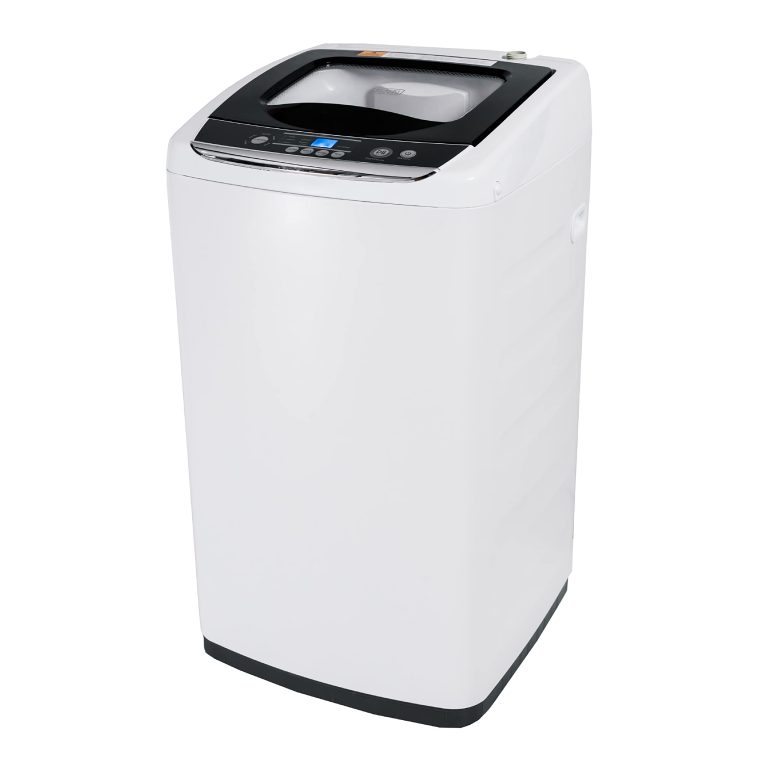
Credit: www.amazon.com
Direct Drive Technology
Direct Drive technology in washing machines eliminates the need for belts, making the appliance more reliable and efficient. Unlike belt-driven machines, direct drive models have fewer moving parts, resulting in lower vibration and noise during operation. This technology also offers better energy efficiency and durability, leading to longer-lasting appliances.
Explanation Of Direct Drive System
Direct Drive technology is a revolutionary innovation in washing machines that replaces the traditional belt system with a directly attached motor. In this system, the motor is directly connected to the drum, eliminating the need for belts, pulleys, and other moving parts. This direct connection enables a more streamlined and efficient operation, resulting in a superior washing experience.
Advantages Of Direct Drive
Direct Drive technology offers several advantages over the conventional belt-driven washing machines. These advantages include:
- Silent Operation: With no belts or pulleys to cause friction or noise, direct drive washing machines operate quietly. This means no more disruptive sounds while the machine is in use, allowing you to do laundry without disturbing your household or neighbors.
- Increased Durability: By removing belts and pulleys, the direct drive system eliminates common wear and tear issues associated with these parts. This results in a more durable washing machine that requires less maintenance and avoids frequent replacements.
- Energy Efficiency: Direct drive washing machines are highly energy-efficient. The direct connection between the motor and drum ensures minimal energy loss, meaning your machine uses less electricity to operate. This not only saves you money on utility bills but also reduces your carbon footprint.
- Improved Washing Performance: The direct drive system provides better control and precision during the washing process. With no belts to slip or get loose, the drum spins at a consistent speed, resulting in more effective cleaning and thorough rinsing of your clothes.
- Reduced Vibration: Compared to belt-driven washers, direct drive washing machines have reduced vibration levels. The direct connection between the motor and drum ensures a smoother and more stable operation, minimizing vibrations that can cause movement or shaking of the machine.
In conclusion, Direct Drive technology offers improved performance, enhanced durability, energy efficiency, and a quieter washing experience. With its numerous advantages, it’s no wonder that direct drive washing machines are becoming increasingly popular among consumers.

Credit: wareiq.com
Belt Drive Technology
Belt drive technology in washing machines offers a reliable and efficient power transfer system that has been utilized in many traditional models. This system comprises a belt that connects the motor to the drum, resulting in a smooth and quiet operation. Let’s delve into the explanation and advantages of belt drive technology to understand how it enhances the performance of washing machines.
Explanation Of Belt Drive System
The belt drive system in a washing machine consists of a belt connected between the motor and the drum. When the motor runs, it drives the belt, which subsequently rotates the drum to facilitate the washing process. This simple yet effective mechanism has been a staple in washing machine designs for decades, ensuring consistent and reliable performance.
Advantages Of Belt Drive
- Durable: The belt drive system is known for its durability, as the belt is less prone to wear and tear compared to direct drive mechanisms.
- Quiet Operation: It offers quieter operation during the washing cycle, contributing to a more peaceful environment in the laundry area.
- Ease of Maintenance: Replacing a belt is often simpler and more cost-effective than repairing a direct drive system.
- Cost-Effective: Belt drive washing machines are typically more affordable upfront, making them an attractive option for budget-conscious consumers.
Efficiency Comparison
When it comes to choosing the right washing machine, one of the key factors to consider is efficiency. Both direct drive and belt-driven washing machines offer different levels of efficiency in terms of energy consumption and performance. Let’s compare the efficiency of these two types of washing machines in detail.
Energy Efficiency
Diving into the energy efficiency comparison, direct drive washing machines have a clear advantage. They consume less energy due to the absence of a belt, which results in a more direct transfer of power from the motor to the drum. This reduction in energy loss means that direct drive washing machines have a lower impact on your utility bills and are also more environmentally friendly.
Performance Efficiency
Examining the performance efficiency aspect, direct drive washing machines once again come out on top. As the motor is directly connected to the drum, they offer enhanced performance, resulting in better washing and spinning capabilities. With fewer moving parts, direct drive machines are also known for reducing vibration and noise, providing a smoother and quieter laundry process.

Credit: eepower.com
Maintenance And Durability
When it comes to choosing between a washing machine with a direct drive and one with a belt, it’s essential to consider the maintenance and durability of each option. This section will provide insights into the Maintenance Requirements and Longevity of both types to help you make an informed decision.
Maintenance Requirements
Direct drive washing machines typically have lower maintenance requirements than their belt-driven counterparts. With a direct drive system, there are fewer components involved, reducing the likelihood of parts wearing out or needing replacement. Additionally, the absence of belts means there is no belt tension to adjust or replace, leading to simplified maintenance.
On the other hand, belt-driven washing machines require periodic checks and potential replacements of the belt. Over time, belts may wear out due to friction and tension, necessitating maintenance to ensure smooth operation. Regular inspection and possible belt adjustments should be factored into the maintenance routine for belt-driven washers.
Longevity
The longevity of a washing machine is a crucial consideration for homeowners. Direct drive washing machines are often touted for their long-term durability. With fewer moving parts and the absence of belts, these machines are generally less prone to wear and tear, leading to a longer lifespan.
Contrastingly, belt-driven washing machines might have a slightly shorter lifespan due to the wear and tear that belts endure over time. The need for periodic belt replacements can impact the overall durability of these machines, making them potentially less long-lasting compared to direct drive washers.
Noise Levels
Noise levels are a significant factor to consider when comparing Washing Machine Direct Drive Vs Belt models.
Decibel Comparison
Direct drive washing machines tend to operate at a lower decibel level compared to belt-driven models.
Noise Reduction Measures
Belt-driven washing machines can be noisier due to the belt’s movement during operation.
Cost Considerations
Cost Considerations:
Initial Cost Analysis
Direct drive washing machines have a higher initial cost due to advanced technology.
- Belt-driven washers are typically more affordable upfront but may require more maintenance.
- Consider the initial investment when comparing direct drive vs. belt-driven.
Long-term Cost Comparisons
Direct drive machines often have lower maintenance costs over time.
- Direct drive: Lower repair and maintenance expenses in the long run.
- Belt-driven: Could incur higher repair costs with belt replacements.
Evaluate the overall lifetime cost to choose the most cost-effective option.
Environmental Impact
When it comes to choosing a washing machine, it’s essential to consider not only its performance and durability but also its environmental impact. The two main types of washing machines available in the market are direct drive and belt-drive. In this article, we will compare their environmental impact, focusing on carbon footprint and resource consumption.
Carbon Footprint Comparison
The carbon footprint of a washing machine refers to the amount of greenhouse gas emissions it generates during its lifecycle. A direct drive washing machine is known for its energy efficiency, which directly impacts its carbon footprint. These machines have a built-in motor that eliminates the need for belts and pulleys, resulting in less energy loss and lower carbon emissions.
On the other hand, belt-drive washing machines use belts and pulleys to operate. While they may offer excellent performance, they are generally less energy-efficient compared to their direct drive counterparts. As a result, belt-drive washing machines tend to have a higher carbon footprint due to the additional energy required to operate the belt system.
Resource Consumption
Resource consumption is another crucial factor to consider when evaluating the environmental impact of washing machines. Direct drive washing machines utilize their motors more efficiently, which results in reduced water and electricity consumption during each cycle. This efficiency not only saves valuable resources but also helps lower your utility bills in the long run.
In contrast, belt-drive washing machines may consume more water and electricity due to the inefficiencies associated with their belt system. These machines require more energy to power the belts and pulleys, increasing their overall resource consumption compared to direct drive models.
| Carbon Footprint | Resource Consumption | |
|---|---|---|
| Direct Drive | Lower | Reduced |
| Belt-Drive | Higher | Increased |
In conclusion, when considering the environmental impact of washing machines, direct drive models have a lower carbon footprint and require reduced resource consumption compared to belt-drive machines. By opting for a direct drive washing machine, not only will you reduce your ecological footprint, but you will also contribute to energy savings and lower utility bills. Make an environmentally conscious choice when selecting your next washing machine, and go for the direct drive option to enjoy efficient and eco-friendly laundry days.
Frequently Asked Questions On Washing Machine Direct Drive Vs Belt
Which Is Better Direct Drive Motor Or Belt Washing Machine?
Direct drive motors are generally considered better than belt-driven motors in washing machines. They offer increased durability, energy efficiency, and a quieter operation. With no belt to wear out or replace, direct drive motors also require less maintenance.
Which Is Better Direct Drive Or Belt?
Direct drive is better for high torque and efficiency, while belt drive offers smoother operation. Choose direct drive for heavy-duty tasks and belt drive for quieter operation. Both have their pros and cons, so consider your specific needs before deciding which is better for you.
What Is The Disadvantage Of Direct Drive Washing Machine?
A disadvantage of a direct drive washing machine is higher cost for repair and maintenance due to complex design.
Which Is Better Belt Drive Or Direct Drive Pressure Washers?
Direct drive pressure washers are better. They are more compact, lightweight, and less expensive. Belt drive washers are more durable and have lower maintenance. However, direct drive is ideal for most home projects, while belt drive is better for heavy-duty professional use.
Ultimately, it depends on your specific needs and budget.
Conclusion
To wrap up, both direct drive and belt washing machine models have their own set of advantages and drawbacks. While direct drive machines offer better energy efficiency, reduced noise levels, and enhanced durability due to the absence of belts, belt-driven machines tend to be more cost-effective and easier to repair.
Ultimately, the choice between the two depends on individual priorities, preferences, and budget. Consider the factors that matter most to you and make an informed decision for your laundry needs.