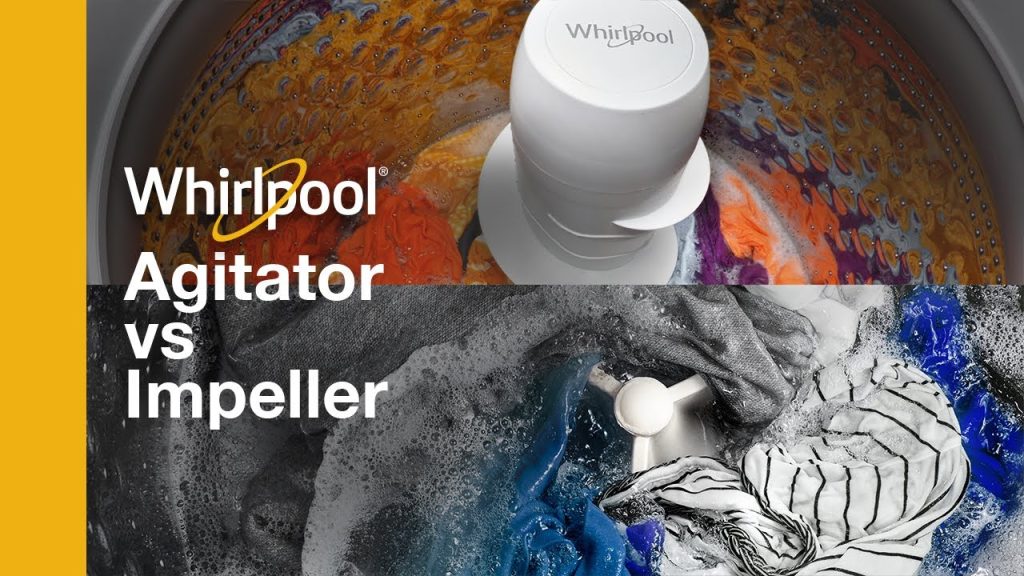
Agitator washing machines use a central post to move clothes, while impeller washing machines use a low-profile cone. Both types have distinct advantages and disadvantages, affecting the washing process and outcomes.
Understanding these differences can help consumers make informed decisions when choosing a washing machine. Agitator washing machines are traditional, using a central post to move clothes around, while impeller washing machines use a low-profile cone to create a gentle yet effective wash motion.
Both types have distinct advantages and disadvantages, affecting the washing process and outcomes. Understanding these differences can help consumers make informed decisions when choosing a washing machine. When deciding between an agitator and an impeller washing machine, it’s essential to consider factors such as fabric care, water and energy efficiency, and the types of loads typically washed. By understanding these differences, consumers can choose the best fit for their laundry needs.
Credit: www.youtube.com
Cleaning Mechanism
The cleaning mechanism of a washing machine is a key factor that affects how well it can remove dirt and stains from clothes. When choosing between an agitator and an impeller washing machine, understanding their respective cleaning mechanisms is essential to make an informed decision.
Agitator Washing Machine
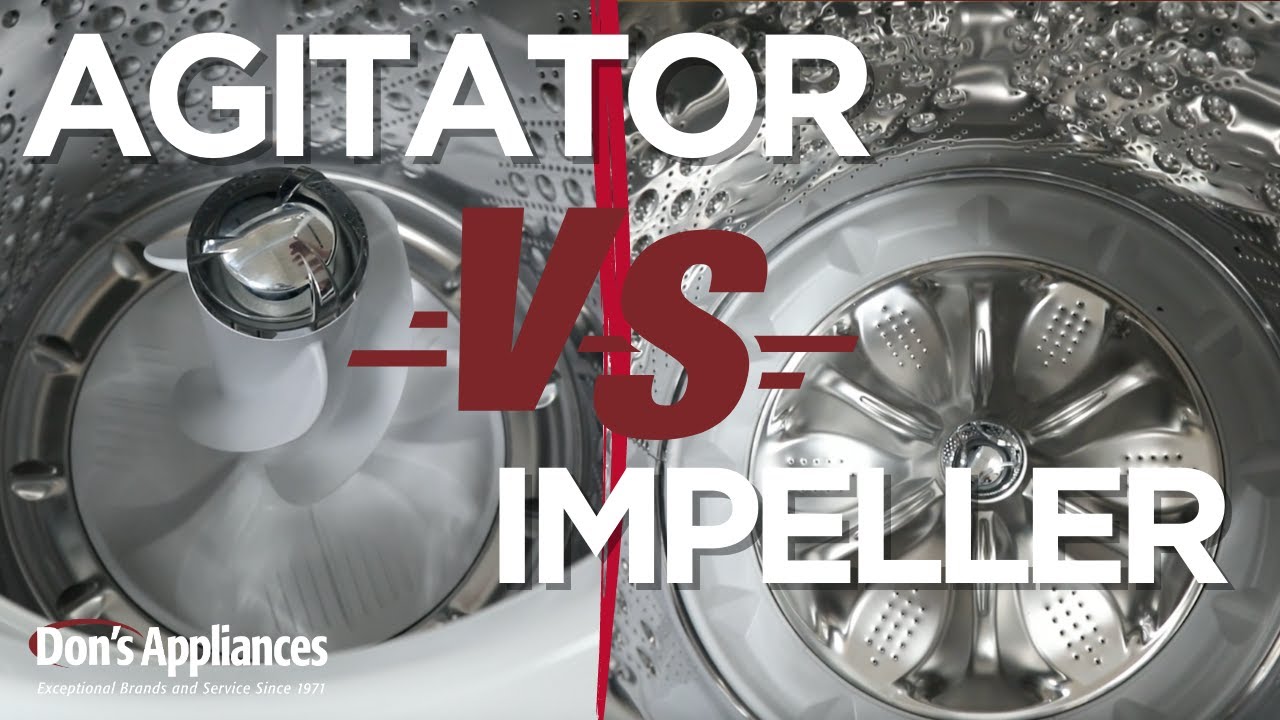
An agitator washing machine uses a central spindle with fins or vanes that rotate back and forth, creating a vigorous washing action. The agitator moves the clothes through the water and detergent, dislodging dirt and grime from the fabric fibers.
Impeller Washing Machine
In contrast, an impeller washing machine relies on a low-profile cone or disc located at the bottom of the tub. The impeller’s rotating motion creates turbulence in the water, causing the clothes to rub against each other to remove stains and dirt.
Efficiency
An essential factor to consider when purchasing a washing machine is its efficiency. Agitator and impeller washing machines differ in various aspects of their performance, leading to differences in water usage and energy consumption. By understanding these differences, you can make a more informed decision about which type of washing machine to choose.
Water Usage
When it comes to water usage, agitator and impeller washing machines have contrasting methodologies. Agitator washing machines typically require more water per load due to their design. This design incorporates a central post with fins or paddles that rotate and agitate the laundry throughout the cycle. The agitation process necessitates a larger volume of water to fully submerge the clothes and effectively clean them. Hence, agitator machines result in higher water consumption and might not be the ideal choice for those conscious of their water usage.
In contrast, impeller washing machines operate differently, requiring less water for each cycle. Instead of an agitator, impeller machines utilize a low-profile cone or plate that creates a gentle yet powerful current of water. This current moves the laundry through the water, removing dirt and stains without the need for excess water. As a result, impeller machines are more efficient in terms of water usage and can be a greener option for individuals seeking to conserve water.
Energy Consumption
Energy consumption is another vital factor when comparing agitator and impeller washing machines. Agitator machines tend to use more energy due to the vigorous agitation process utilized during each wash cycle. The constant movement of the agitator requires a higher energy output from the motor, resulting in increased electricity consumption. Thus, while agitator machines may be effective in removing tough stains, they may not be the most energy-efficient choice.
Impeller washing machines, on the other hand, have a more energy-conscious approach. Their operation relies on a rotational motion that gently moves garments through the water. The absence of agitator fins means less resistance, resulting in reduced energy requirements. This makes impeller machines a more energy-efficient option, allowing you to save on electricity bills without compromising the quality of your laundry.
Laundry Care
Choosing the right washing machine can significantly impact how your clothes are washed. From handling different fabric types to the effect on stains and soiling, understanding the differences between agitator and impeller washing machines is crucial for proper laundry care.
Handling Different Fabric Types
- Agitator Machines: Ideal for heavy fabrics like denim and towels.
- Impeller Machines: Suit delicate fabrics such as silk and lace.
Effect On Stains And Soiling
- Agitator Machines: Aggressively remove tough stains with deep water levels.
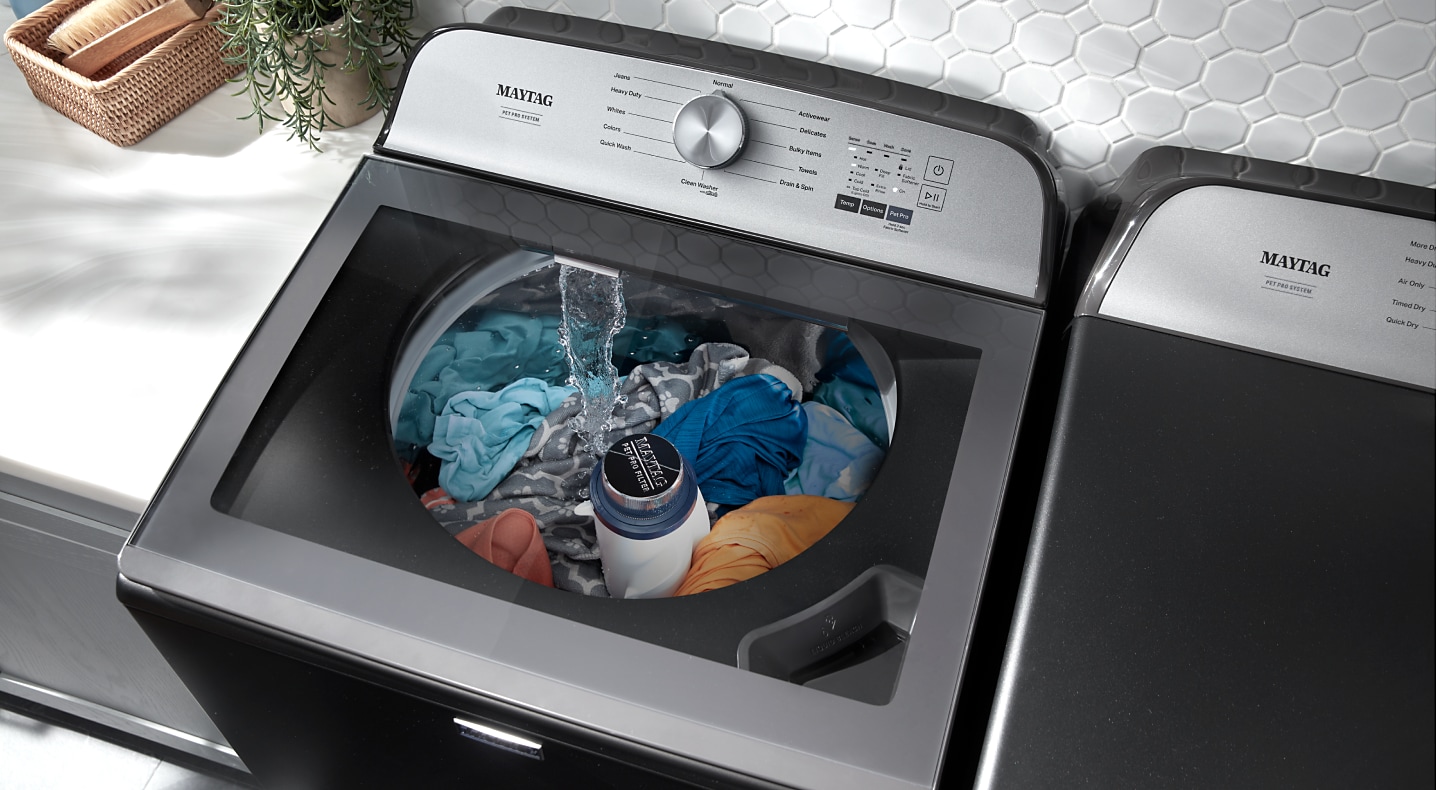
- Impeller Machines: Gently clean clothes, preserving fabric quality.
Credit: www.maytag.com
Durability & Maintenance
Durability and Maintenance play crucial roles in choosing between Agitator and Impeller Washing Machines. Agitator models are durable but may require more maintenance, while Impeller machines offer low maintenance but slightly lower durability. Consider your needs when deciding between the two.
Agitator and impeller washing machines differ in wear and tear and maintenance needs.Wear And Tear
Agitator machines may cause more wear due to the agitator’s rough action.Maintenance Requirements
Impller machines have fewer moving parts, leading to lower maintenance needs. Consider durability and maintenance when selecting between an agitator and an impeller option.Space And Design
When it comes to deciding between an agitator and an impeller washing machine, one important factor to consider is the space and design it offers. Both machines have their own unique features and considerations, so understanding their size, configuration, and aesthetic options will help you make an informed decision.
Size And Configuration
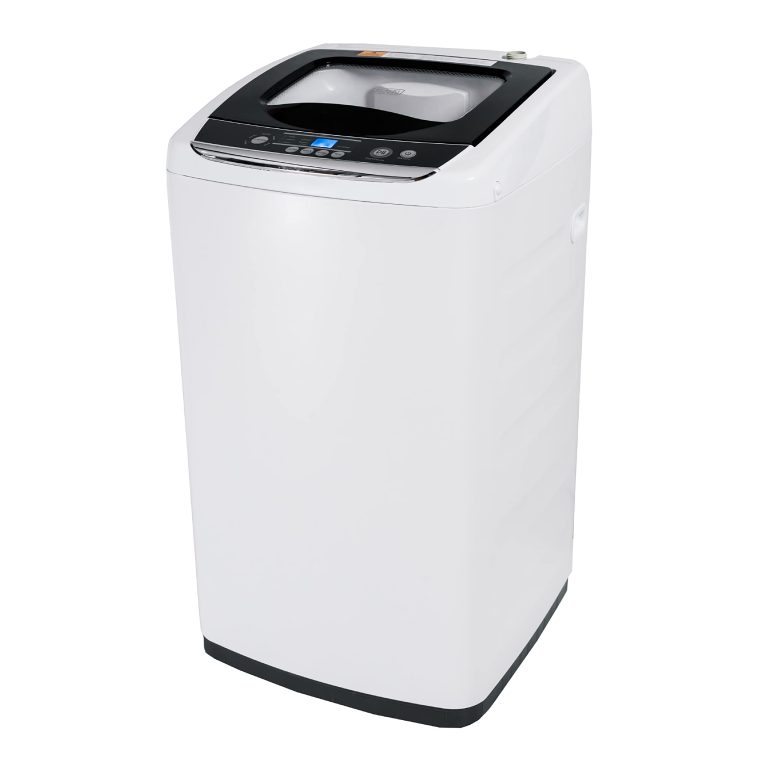
Size and configuration play a crucial role in determining the suitability of a washing machine for your space. Agitator washing machines typically have a larger footprint due to the agitator located in the center of the drum. This can make them bulkier and take up more space in your laundry room. On the other hand, impeller washing machines are designed to be more space-efficient, thanks to their streamlined drum without a bulky agitator in the center.
If you have limited space in your laundry area or need to fit the washing machine in a tight spot, an impeller washing machine would be a better choice. Its compact size and space-saving design allow it to be easily integrated into smaller laundry rooms or closets.
Aesthetic Options
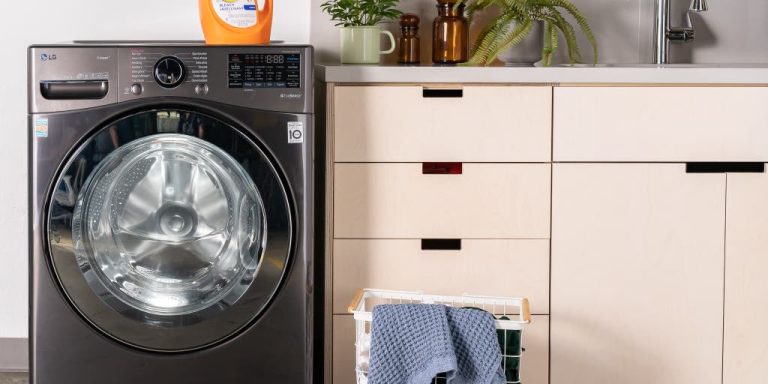
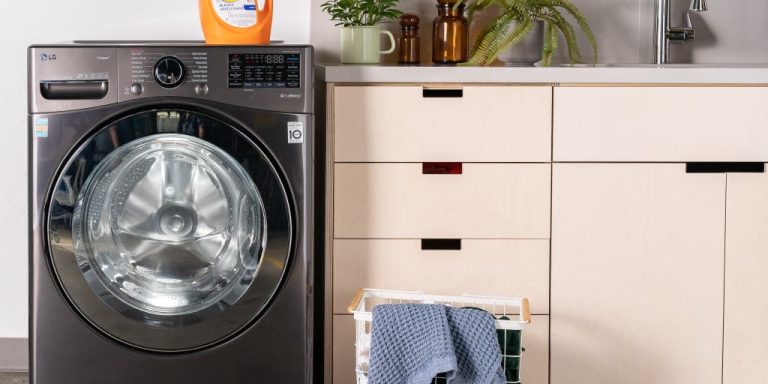
Aside from functionality, the appearance of the washing machine can also contribute to the overall design of your laundry room. Agitator washing machines often have a traditional and familiar look, with a large central agitator visible through the transparent door. This design may appeal to those who prefer a more classic aesthetic.
Impeller washing machines, on the other hand, offer a sleek and modern appearance. With their smooth drum surface and absence of a visible agitator, they can provide a more minimalist and contemporary look to your laundry area. This design choice may be appealing to those who prioritize a stylish and updated design in their home.
Ultimately, the choice between an agitator and an impeller washing machine for the space and design aspect boils down to your personal preferences and the aesthetics of your laundry room. Consider the available space and the look you want to achieve to make the right decision for your home.
Noise And Vibration
When it comes to selecting a washing machine, noise and vibration are important factors to consider. The last thing you want is a washing machine that creates a racket or shakes the entire house while in operation. This is where the difference between agitator and impeller washing machines becomes apparent.
Operating Noise Levels
Agitator washing machines tend to produce more noise compared to impeller washing machines. The reason for this is the agitator, a central post that moves back and forth to agitate the clothes. As it moves, it can create friction and generate noise. On the other hand, impeller washing machines have a smooth and silent operation. In an impeller machine, the impeller at the bottom of the drum rotates to create a gentle tumbling action. This means you can enjoy a quieter laundry experience.
Vibration Control Features
Both agitator and impeller washing machines come with various vibration control features to minimize the shaking and movement during operation.
Agitator washing machines typically have a sturdy central post firmly connected to the drum. This design helps to stabilize the machine and reduce vibration. Additionally, some agitator models also include features like reinforced frames or upgraded suspension systems to further dampen vibrations.
Impeller washing machines, on the other hand, utilize different mechanisms to control vibrations. They often incorporate technologies such as advanced balance sensing, intelligent load distribution, and enhanced suspension systems. These features work together to ensure a smoother operation with minimal vibrations.
| Agitator Washing Machine | Impeller Washing Machine |
|---|---|
| Produces more noise | Operates quietly |
| Sturdy central post for stability | Advanced vibration control mechanisms |
| May include reinforced frames | Utilizes intelligent load distribution |
| Upgraded suspension systems | Enhanced suspension systems |
In conclusion, if noise and vibration control are important considerations for you, an impeller washing machine is likely the better option. With its quiet operation and advanced vibration control features, you can enjoy a more peaceful laundry experience. However, it is important to assess your specific needs and preferences before making a final decision.
Cost Considerations
When it comes to deciding between an agitator and an impeller washing machine, one of the crucial factors to consider is the cost. Understanding the initial purchase cost and the long-term operating expenses will help you make an informed decision based on your budget and needs.
Initial Purchase Cost
The initial purchase cost of a washing machine is typically the first expense that comes to mind. Generally, agitator washing machines tend to have a lower initial purchase cost compared to impeller machines. This can be particularly appealing if you are working within a tight budget or simply looking for a more affordable option.
Operating Expenses
Operating expenses encompass various factors such as energy consumption, water usage, and maintenance costs. Agitator washing machines may consume a bit more water and electricity due to their design, while impeller machines are built to be more energy and water-efficient. Additionally, the long-term maintenance costs for both types of machines should be factored in when considering operating expenses.
Credit: www.maytag.com
Frequently Asked Questions Of Agitator Vs Impeller Washing Machine
Which Is Better Agitator Or Impeller Washer?
An impeller washer is better than an agitator washer as it is gentler on clothes and uses less water.
What Is The Disadvantage Of Impeller Washing Machine?
The disadvantage of an impeller washing machine is that it may not be suitable for delicate fabrics as it agitates clothes forcefully.
Is It Better To Get A Washer With Or Without An Agitator?
It depends on your laundry needs. Agitators are good for tough stains, while agitator-less washers are gentler on clothes.
Which Is Better Agitator Or Propeller?
Both agitators and propellers have their advantages. Agitators are better for mixing thick or heavy substances, while propellers work well for stirring and aerating liquids. Ultimately, the choice depends on the specific application and needs of the task at hand.
Conclusion
To summarize, choosing between an agitator and an impeller washing machine depends on your laundry needs and preferences. Agitators are ideal for heavy-duty, deep cleaning, while impellers offer gentler treatment for delicate fabrics. Both have their pros and cons, so consider factors like budget, space, and laundry load to make the right choice.
Ultimately, the decision rests on finding a washer that suits your specific requirements and ensures clean and fresh clothes every time.