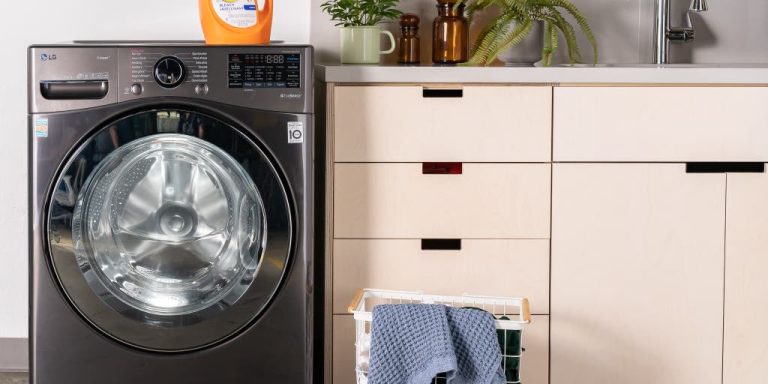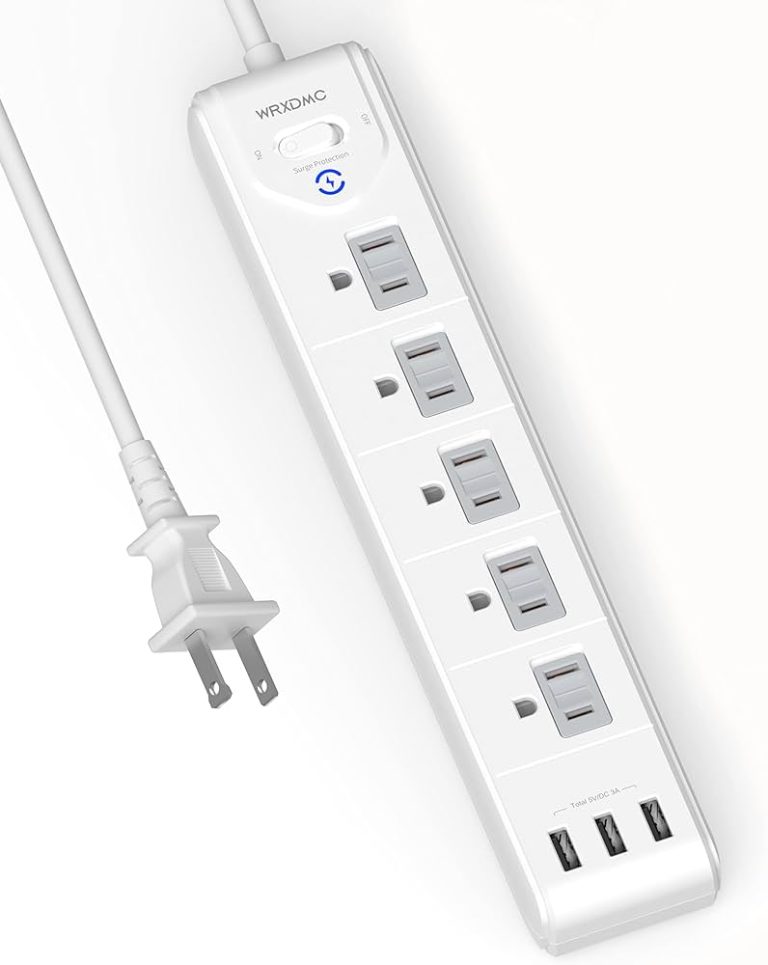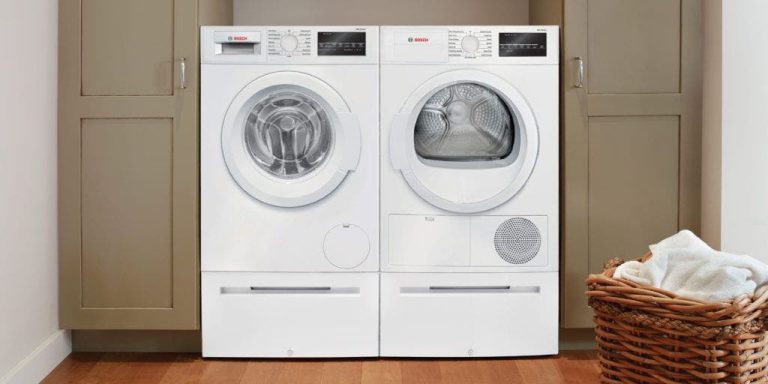
American washing machines typically have larger capacities and faster cycles compared to their European counterparts. The difference in power voltage between American and European washing machines can affect performance and energy consumption.
When making a decision between the two, understanding the key differences can help you choose the best option for your needs. When comparing American and European washing machines, several differences become apparent. These disparities encompass factors such as size, efficiency, and functionality.
Understanding these distinctions is essential when determining which type of washing machine best suits your requirements. We’ll delve into the key disparities between American and European washing machines, including size, energy consumption, cycle duration, and features. By the end, you’ll be equipped with the knowledge needed to select the most suitable washing machine for your home.
The Evolution Of Washing Machines
The Evolution of Washing Machines is a fascinating journey that spans centuries and continents. From the early days of manual scrubbing and beating laundry on rocks, to the modern marvels of American and European washing machines, the evolution of this essential household appliance has revolutionized the way people do their laundry. Let’s take a closer look at the history of washing machines and how they have evolved over time.
Early Washing Methods
In the early days, washing clothes was a labor-intensive task that required immense physical effort. Before the invention of washing machines, people relied on primitive methods such as hand scrubbing, beating clothes with rocks, and soaking them in streams or rivers. These methods were not only time-consuming but also harsh on the fabric, leading to wear and tear over time.
Invention Of The Washing Machine
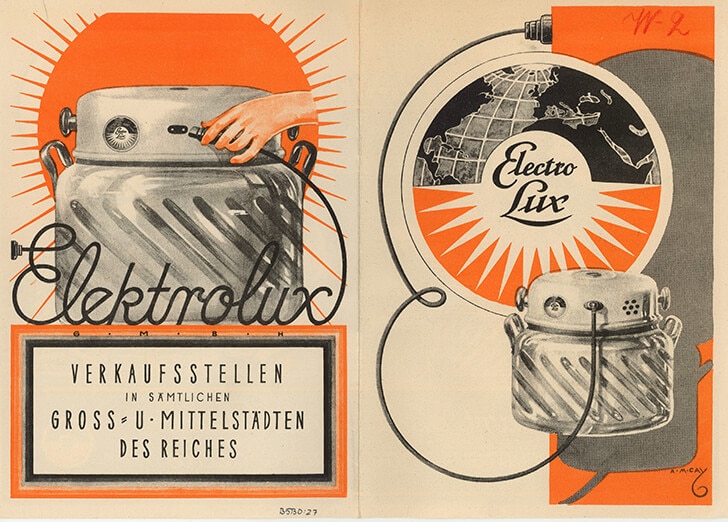
The invention of the first mechanical washing machine in the 18th century marked a significant milestone in laundry technology. As the industrial revolution gained momentum, inventors began experimenting with clothes-washing devices powered by hand-cranked mechanisms. This paved the way for the emergence of electric-powered washing machines in the early 20th century, providing households with a more efficient and convenient way to clean their clothes.
:max_bytes(150000):strip_icc()/Laundromat-58ee95e43df78cd3fc78b69b.jpg)
Credit: www.thoughtco.com
American Washing Machines
American washing machines are known for their robust build and large capacity.
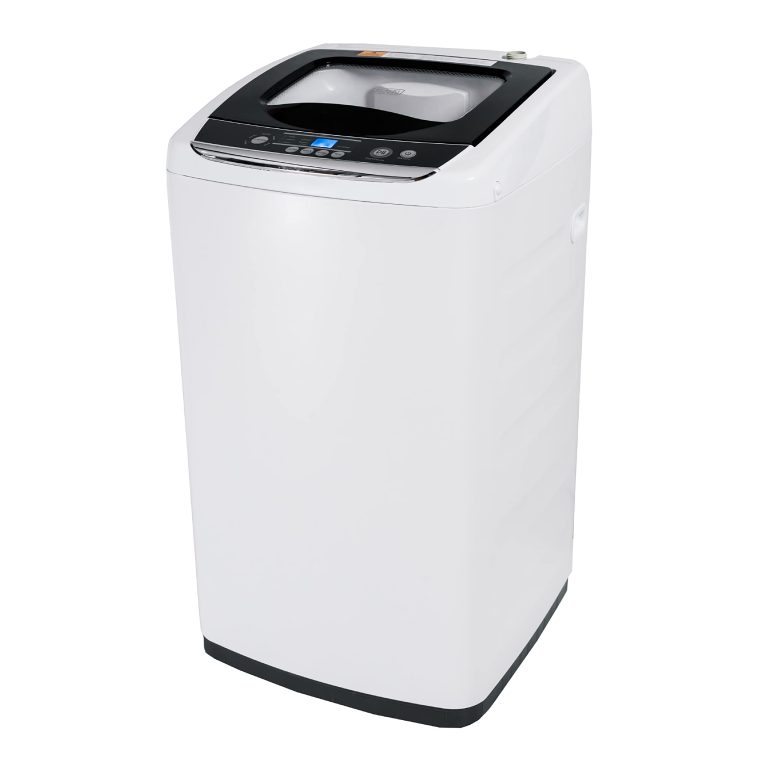
Traditional Top-loaders
Traditional top-loaders feature a vertically oriented drum, allowing for easy access to load and unload clothes.
These machines require more water but are quicker in washing cycles.
- Pros: Easy to use, faster cycles.
- Cons: More water usage, less energy-efficient.
Advancements In Front-loaders
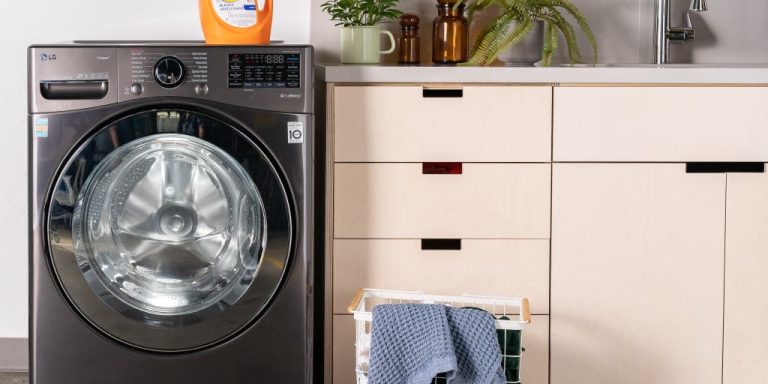
Front-loaders have gained popularity in the US due to their energy efficiency and superior washing performance.
These machines use less water and detergent compared to top-loaders.
- Pros: Energy-efficient, better cleaning results.
- Cons: Higher initial cost, longer wash cycles.
European Washing Machines
European washing machines are renowned for their efficient performance and innovative features, setting them apart from American counterparts. With sleek design and advanced technology, European models offer superior quality and durability in the laundry room.
Introduction
European washing machines are known for their compact designs and focus on energy efficiency. These machines offer a range of benefits for homeowners, making laundry day a breeze. If you’re considering purchasing a new washing machine, it’s worth exploring the features and advantages that European models bring to the table. In this article, we’ll delve into the key aspects of European washing machines, including their compact designs and their commitment to energy efficiency.
Compact Designs
One of the standout features of European washing machines is their compact designs. These machines are designed to fit seamlessly into smaller homes and apartments, where space is often at a premium. With their slimmer profiles and sleek finishes, European washing machines can be tucked away neatly, maximizing the available space in your laundry area.
Not only are European washing machines space-saving, but they also offer impressive functionality. Despite their smaller size, these machines are equipped with the latest technology and features. You’ll find a variety of wash programs and settings that cater to your specific laundry needs, ensuring that your clothes come out clean and fresh every time. The compact design of European washing machines allows for a seamless integration into any home, without compromising on performance.
Focus On Energy Efficiency
European washing machines are renowned for their commitment to energy efficiency, which has become increasingly important in today’s environmentally conscious world. These machines are designed to use less water and electricity, resulting in lower utility bills and a reduced carbon footprint.
With advanced water-saving technologies and innovative detergent distribution systems, European washing machines ensure that your laundry is cleaned effectively while minimizing water wastage. Additionally, many models come with energy-saving options, such as eco cycles and quick wash settings, which further reduce consumption without compromising on cleaning performance.
In fact, European washing machines often come with energy efficiency ratings displayed prominently on their product labels. These ratings provide a useful indicator of the machine’s energy-saving capabilities, allowing you to make an informed decision that aligns with your sustainability goals.
To summarize, European washing machines excel in their compact designs and energy efficiency. Their space-saving capabilities make them ideal for smaller homes, while their focus on energy efficiency contributes to a greener laundry routine. Consider these advantages when comparing washing machine options, and take a step towards a more efficient and sustainable laundry experience with a European model.
Efficiency Comparison
When considering the efficiency of household appliances, one crucial aspect to analyze is their water consumption and energy usage. In this section, we will compare American washing machines with European ones, highlighting the disparities between these two regions in terms of efficiency.
Water Consumption
American washing machines have traditionally been known for their higher water consumption compared to their European counterparts. Typically, American machines use around 20 to 25 gallons of water per load. On the other hand, European washing machines are designed to be more water-efficient, consuming only 10 to 15 gallons of water per load. This difference is primarily due to stricter regulations and efficiency standards implemented in Europe.
Energy Usage
Another significant aspect of efficiency is the energy usage of washing machines. American washing machines generally consume more energy due to their larger size and increased water volume. These machines are designed to handle larger loads and provide various cycles and temperature options. As a result, they typically consume around 300-500 kWh of energy per year.
On the contrary, European washing machines are designed to be more energy-efficient, using less energy per load. With smaller sizes and advanced technologies, these machines consume around 150-300 kWh of energy per year. The difference in energy consumption can be attributed to the emphasis on energy efficiency in European countries.
Overall, when it comes to efficiency, European washing machines outperform their American counterparts in terms of water consumption and energy usage. The stringent regulations implemented in European countries have resulted in more eco-friendly and energy-saving washing machines. However, it is important to note that both regions continuously work towards improving the efficiency of their appliances, promoting sustainable practices and reducing environmental impact.
Innovative Features
American washing machines and European washing machines both boast a range of innovative features that make laundry day more efficient and convenient. Let’s delve into the unique features that set these two types of washers apart.
Smart Technology Integration
Specialized Washing Programs
Environmental Impact
When considering the environmental impact of washing machines, it’s essential to assess the sustainability practices and long-term resource usage of both American and European appliances.
Sustainability Practices
American Washing Machines:
- Opt for energy-efficient models to reduce electricity consumption during cycles.
- Implement water-saving technologies to minimize water usage, thus lowering environmental impact.
European Washing Machines:
- Designed with a strong focus on energy efficiency, adhering to strict energy consumption regulations.
- Incorporate advanced water-recycling systems, reducing water wastage and benefiting the environment.
Long-term Resource Usage
American Washing Machines:
- Constructed to be durable, prolonging the lifespan of the appliance and reducing the need for frequent replacements.
- Utilize innovative materials that are recyclable, contributing to a sustainable production cycle.
European Washing Machines:
- Built with a focus on long-term durability, reducing the overall resources required for manufacturing new appliances.
- Incorporate eco-friendly materials, ensuring minimal impact on natural resources during the production process.
Consumer Preferences
Consumer preferences regarding washing machines differ between American and European markets. While Americans tend to prefer top-load machines for their convenience, Europeans favor front-load machines for their efficiency and space-saving design. These preferences play a key role in shaping the market offerings and demand for washing machines in each region.
Market Trends
Consumer preferences play a significant role in shaping market trends for washing machines, both in the United States and in Europe. Understanding these preferences can provide valuable insights into the current state of the industry and the direction in which it is heading. Market trends are primarily influenced by factors such as consumer lifestyle, technological advancements, and environmental consciousness.
User Satisfaction
User satisfaction is a crucial aspect of consumer preferences when it comes to washing machines. In both the American and European markets, customers prioritize efficiency, durability, and convenience. They want a washing machine that can handle large loads, has a variety of wash cycles, and uses minimal water and energy. The overall performance and reliability of the machine are also essential factors that contribute to user satisfaction.
American consumers often lean towards larger washing machines, as they typically have larger households and need the capacity to wash bulky items such as bedding and curtains. On the other hand, European consumers tend to opt for smaller, compact machines that can fit well in their smaller living spaces. These preferences are driven by different lifestyle choices and the available space within their homes.
Additionally, European consumers have a strong emphasis on energy efficiency and environmental sustainability. Many European countries have regulations in place to promote energy-saving appliances, such as the European Union’s energy labelling and eco-design directives. As a result, manufacturers in Europe have focused on developing washing machines with low water and energy consumption, satisfying the environmentally-conscious consumer.
When it comes to user satisfaction, it is also worth mentioning the importance of user-friendly features and smart technology. Both American and European consumers appreciate washing machines that offer intuitive controls, easy-to-understand displays, and advanced features like smartphone connectivity. These features enhance the overall user experience and allow consumers to monitor and control their washing machines conveniently.
Market Trends:
| Factors | American Market | European Market |
|---|---|---|
| Consumer Lifestyle | Emphasis on larger capacity machines | Preference for smaller and compact machines |
| Technological Advancements | Integration of smart technology and advanced features | Focus on energy-efficient and eco-friendly innovations |
| Environmental Consciousness | Less stringent regulations compared to Europe | Strict regulations promoting energy-saving appliances |
User Satisfaction:
- Efficiency, durability, and convenience are key
- Large capacity for American consumers
- Compact size for European consumers
- Energy-saving and eco-friendly features in Europe
- User-friendly controls and smart technology

Credit: www.wsj.com
Future Outlook
The future outlook of American washing machines versus European models suggests a dynamic shift in consumer preference. With innovation driving efficiency and eco-friendliness, European washing machines are gaining popularity in the US market. As sustainability becomes a priority, the American appliance industry may see a notable impact.
Trends In Washing Machine Development
American washing machines prioritize advanced technology and larger capacities.
European models focus on energy efficiency and compact designs.
- Smart features: American machines are integrating smart technology.
- Sustainability: European models emphasize water and energy conservation.
Global Influence
Manufacturers in both regions are aligning with global sustainability goals.
Their products are shaping the future of laundry appliances worldwide.
| American | European | |
|---|---|---|
| Focus | Technology and capacity | Energy efficiency and compactness |
| Impact | Smart features trend | Sustainability influence |
Credit: www.wsj.com
Frequently Asked Questions Of American Washing Machine Vs European
Why Are American And European Washing Machines Different?
American and European washing machines differ due to voltage, size, and water temperature regulations. EU machines are typically smaller, use less energy, and heat water internally.
Why Do Americans Use Toploader Washing Machines?
Americans use toploader washing machines because they are convenient, efficient, and can handle large loads. These machines offer easy access to clothes, use less water and energy, and are generally more affordable than front-loader machines.
Do European Washers Also Dry?
Yes, European washers usually have a separate drying function.
Can You Use American Washer And Dryer In Europe?
No, American washers and dryers use different voltage and plug types than those in Europe.
Conclusion
Ultimately, both American and European washing machines have their own unique advantages. Consumers should consider factors like energy efficiency and design when making a choice. Regardless of the option chosen, modern technologies have made laundry convenient and efficient for users worldwide.
Make an informed decision based on your specific needs and preferences.