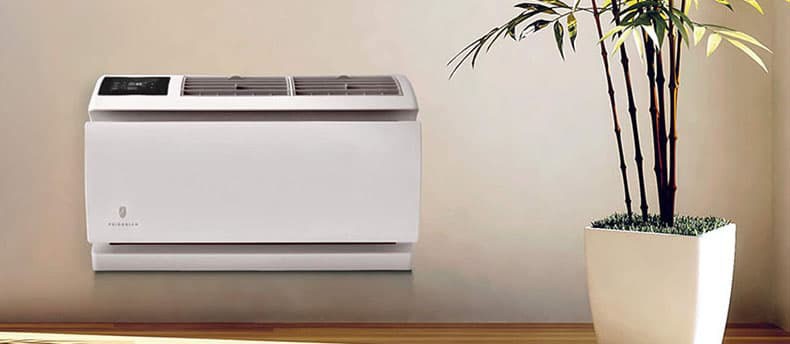
When comparing a window air conditioner to a portable air conditioner, keep in mind that window units are generally more efficient due to direct hot air release outside, whereas portable units may reintroduce heat inside. Portable units also tend to be noisier and require proper venting.
When deciding between a window air conditioner and a portable air conditioner, it’s essential to weigh the pros and cons of each option. Window units are usually more efficient since they release hot air directly outside, while portable units may circulate some heat back into the room through their exhaust hoses.
Additionally, portability and noise levels are crucial factors to consider when choosing between these two types of air conditioners.
Credit: www.sylvane.com
Energy Efficiency
When deciding between a window air conditioner and a portable air conditioner, understanding their energy efficiency can be a crucial factor. The choice between these two types of air conditioners can greatly impact your electricity consumption and cooling costs. Let’s explore the energy efficiency of both options.
Pros And Cons Of Window Air Conditioners
| Pros | Cons |
|---|---|
| Higher cooling capacity | Limited portability |
| More efficient cooling | Requires professional installation |
| Direct heat exchange outdoors | May obstruct window view |
Pros And Cons Of Portable Air Conditioners
| Pros | Cons |
|---|---|
| Easy installation | Lower cooling capacity |
| Portable and flexible | Heat exhaust through window |
| No permanent installation required | Less energy-efficient |
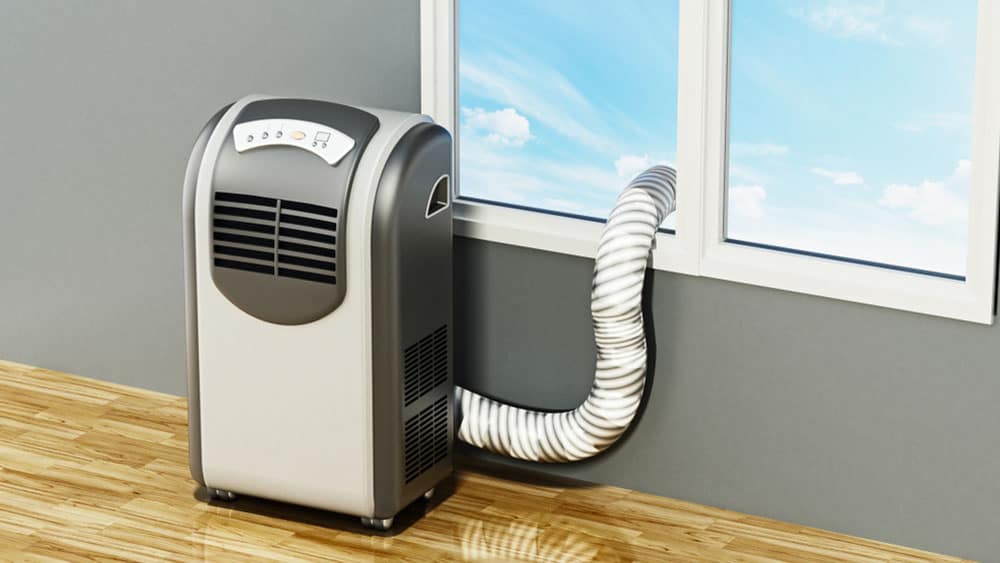
Portable vs. window air conditioners: Portable units are less efficient due to heat loss through exhaust hoses, while window units release hot air outdoors directly, making them more energy-efficient.
Noise factor: Window AC units can be noisier than split ACs, which produce less noise, making them suitable for quieter environments.
Venting requirements: While portable air conditioners can be vented through various outlets, venting through windows is most common for optimal performance and efficiency.
Electricity consumption: Window AC units generally provide better energy efficiency compared to portable units, making them a more cost-effective option in the long run.
Credit: cielowigle.com
Cost Comparison
When choosing between a window air conditioner and a portable air conditioner, cost is a crucial factor to consider. To make an informed decision, it’s essential to compare the initial cost as well as the operating cost of both options.
Initial Cost
Comparing the initial cost of window air conditioners and portable air conditioners is the first step in determining which option best suits your budget. Window air conditioners usually have a lower initial cost compared to portable units, making them a cost-effective choice for individuals looking for a more budget-friendly option.
Operating Cost
Aside from the initial cost, it’s essential to factor in the operating cost of the air conditioner. The operating cost includes considerations such as energy consumption and maintenance expenses. While window air conditioners tend to have a lower operating cost in terms of energy consumption, portable air conditioners may require more maintenance, impacting the overall operating cost.
Installation
When it comes to choosing the right air conditioner for your space, the installation process plays a crucial role in decision-making. Proper installation ensures optimal performance and efficiency. Let’s delve into the installation processes for window and portable air conditioners to understand the differences and advantages of each.
Window Air Conditioner Installation
Installing a window air conditioner involves fitting the unit into a window frame. Here are the simple steps to install a window air conditioner:
- Measure the window opening to ensure a proper fit
- Secure the unit in the window frame
- Seal the gaps around the unit to prevent air leakage
- Plug in the unit and adjust the settings as needed
Portable Air Conditioner Installation
Portable air conditioners offer flexibility in installation as they don’t require a permanent window fixture. Here’s how to install a portable air conditioner:
- Place the unit near a window for ventilation
- Connect the exhaust hose to a window kit
- Seal any gaps around the window kit to minimize air leakage
- Plug in the unit and adjust the settings as per the user manual
Noise Level
When choosing between a window air conditioner and a portable air conditioner, one crucial factor to consider is the noise level produced by each type of unit. The noise level can impact your comfort and overall experience with the air conditioner.
Window Air Conditioner Noise Level
Window air conditioners are known for their relatively quiet operation compared to other types of air conditioners. The noise level of a window unit is typically lower because the compressor and fan are located outside the room, reducing indoor noise levels.
Portable Air Conditioner Noise Level
In contrast, portable air conditioners may produce more noise due to their design. Since the entire unit is inside the room, including the compressor and fan, the noise level can be higher compared to window units. This can be a consideration if you are sensitive to noise.
Ventilation Requirements
When considering ventilation requirements in your comparison of window air conditioners vs. portable air conditioners, it’s important to note that portable units need to be vented through a door, wall, or ceiling, but they are most frequently vented through windows.
On the other hand, window ACs release hot air directly outside, making them more efficient in managing indoor air quality.
Venting A Window Air Conditioner
Window air conditioners require proper ventilation to ensure efficient cooling and to prevent the buildup of hot air in the room. The main ventilation requirement for window ACs is the installation of the unit in a window that can be opened and closed. This allows for the proper exchange of air between the inside and outside of the room. When venting a window air conditioner, it is important to follow these steps: 1. Select a window: Choose a window that is large enough to accommodate the size of the unit. Ensure that the window is properly sealed to prevent any air leakage. 2. Position the unit: Place the air conditioner in the selected window, making sure that it is level and secure. Use weatherstripping or foam insulation to seal any gaps around the unit to enhance energy efficiency. 3. Secure the window: Close the window onto the top of the air conditioner, ensuring that it is tightly sealed. Some units may also come with brackets or supports to further secure the window. 4. Extend the side curtains: Most window ACs come with adjustable side curtains that help provide a proper fit and seal. Adjust the curtains to fill any gaps between the unit and the window frame. 5. Vent the hot air: Window air conditioners have a built-in vent at the back that expels hot air to the outside. Ensure that there are no obstructions blocking the vent, such as curtains or blinds. By following these steps, you can properly vent a window air conditioner and enjoy efficient cooling in your room.Venting A Portable Air Conditioner
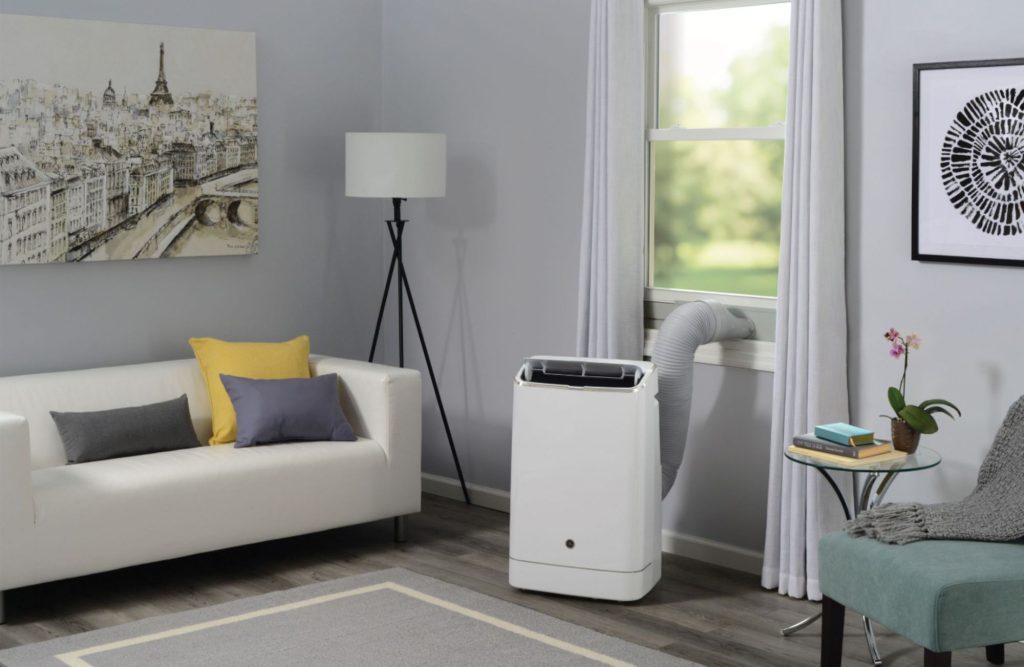
Portable air conditioners are a versatile alternative to window units, as they can be easily moved from one room to another. However, they also require proper ventilation to ensure optimal performance. When venting a portable air conditioner, consider the following: 1. Choose a venting option: Portable air conditioners typically come with a hose that needs to be connected to a window or another outlet for venting. Some units may also offer alternative venting options through a wall or ceiling. Determine the most suitable option for your space. 2. Connect the exhaust hose: Attach one end of the exhaust hose to the back of the air conditioner unit and the other end to the designated venting outlet. Ensure that the connection is secure to prevent any leaks. 3. Seal any gaps: Use foam insulation or duct tape to seal any gaps around the venting outlet to prevent the exchange of hot outdoor air with the cooled indoor air. 4. Properly position the unit: Place the portable air conditioner near the venting outlet, ensuring that the exhaust hose is not twisted or kinked. This will allow for smooth airflow and efficient ventilation. 5. Clear any obstructions: Make sure there are no obstacles blocking the venting outlet, such as furniture or curtains. This will ensure that hot air can easily be expelled from the room. Keep in mind that proper ventilation is crucial for the efficient operation of a portable air conditioner. Following these steps will help you effectively vent the unit and enjoy cool air in your room.Suitability For Different Spaces
Comparing window air conditioners to portable ones, window units are more efficient due to direct external hot air release. Portable air conditioners, on the other hand, may re-release heat into the room through poorly insulated hoses. The suitability for different spaces varies between these two options.
Window Air Conditioners For Large Spaces
Window air conditioners are an ideal cooling solution for large spaces, such as living rooms, master bedrooms, or open-plan areas. These units are designed to efficiently cool sizable areas without compromising on performance.
The key advantage of window air conditioners is their ability to provide powerful cooling while taking up minimal interior space. They are installed directly into a window frame, allowing for strong airflow and efficient heat exchange. Additionally, window air conditioners can easily be operated using a remote control or through a control panel on the unit itself.
When selecting a window air conditioner for a large space, it’s important to consider the cooling capacity, measured in British Thermal Units (BTUs). The higher the BTU rating, the larger the space the unit can effectively cool. It’s recommended to choose a window air conditioner with a BTU rating that matches or slightly exceeds the size of your room for optimal cooling performance.
Portable Air Conditioners For Small Spaces
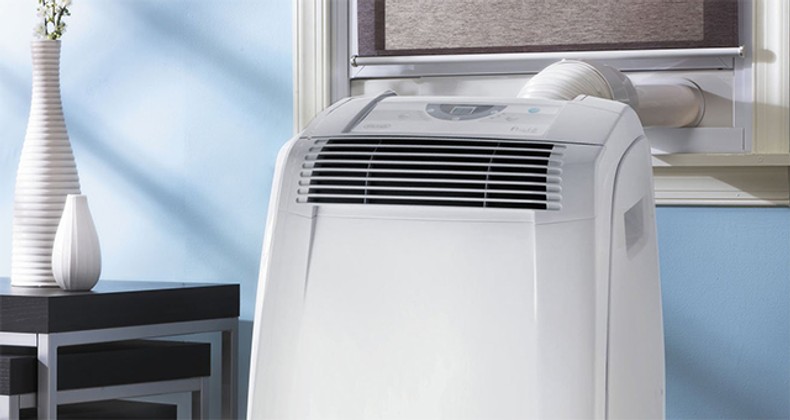
On the other hand, portable air conditioners are better suited for smaller spaces, such as bedrooms, home offices, or small apartments. These compact units offer flexibility in terms of placement and can be easily moved from one room to another, providing cooling wherever it’s needed.
The main advantage of portable air conditioners is their portability and easy installation. They do not require permanent installation in a window, making them a great option for renters or those who prefer a non-permanent solution. Additionally, portable air conditioners often come with features like programmable timers and adjustable fan speeds for personalized comfort.
It’s important to note that portable air conditioners require venting to remove hot air generated during the cooling process. While they can be vented through a door, wall, or ceiling, the most common method is venting through a window. Venting ensures that the unit operates efficiently and effectively cools the target space.
Comparison Table
| Features | Window Air Conditioner | Portable Air Conditioner |
|---|---|---|
| Cooling Capacity | Suitable for large spaces | Suitable for small spaces |
| Installation | Permanent installation in a window | Easy and non-permanent installation |
| Portability | Not easily movable | Easily movable between rooms |
| Venting | Hot air released directly outside | Requires venting to remove hot air |
| Features | Remote control, control panel | Programmable timers, adjustable fan speeds |
In conclusion, when considering the suitability for different spaces, window air conditioners are an excellent choice for large areas, offering powerful cooling with minimal space requirements. On the other hand, portable air conditioners are more suitable for smaller spaces, providing flexibility and easy installation without the need for permanent fixtures. Consider your specific cooling needs and room size when deciding between these two options.
Credit: www.sylvane.com
Frequently Asked Questions For Window Air Conditioner Vs Portable Air Conditioner
Which Is Better Window Air Conditioner Or Portable?
Both window air conditioners and portable air conditioners have their advantages and disadvantages. However, window air conditioners are generally considered better because they are more energy-efficient and release hot air directly outside, while portable units can end up releasing some of the heat back into the room.
Additionally, window units are typically quieter and more cost-effective.
Why Window Ac Is Not Preferred?
Window AC is not preferred because it produces a lot of noise compared to split AC. Split ACs are quieter since they do not work against a window. Additionally, portable ACs are less efficient as they release heat back into the room through the exhaust hose, while window ACs release hot air directly outside.
Do All Portable Air Conditioners Have To Be Vented Out A Window?
Portable air conditioners do not necessarily have to be vented out a window, but it is the most common method.
Do Window Ac Units Use A Lot Of Electricity?
Window AC units can use a lot of electricity, often resulting in higher energy bills.
Conclusion
Comparing window air conditioners to portable ones reveals varying factors such as efficiency and noise. While window units offer direct heat release and less noise, portables may be preferred for affordability and flexibility in venting options. Each has its advantages, so choose based on your specific needs.