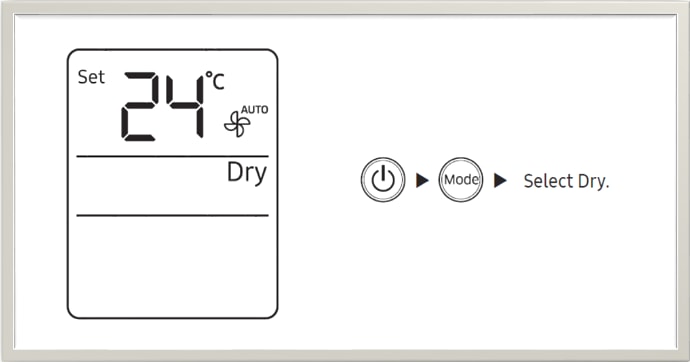
When operating an air conditioner, cool mode removes heat, whereas dry mode removes moisture. Understanding these differences helps optimize efficiency and comfort.
The main purpose of dry mode is to reduce humidity levels in the air, ideal for high humidity days, while cool mode functions to lower the temperature and provide cool air circulation. Dry mode is more energy-efficient as the compressor runs at a slower pace compared to cool mode.
By utilizing dry mode when humidity is the main concern rather than temperature, you can save on energy costs. Both modes serve distinct purposes in maintaining a comfortable indoor environment, catering to specific needs based on weather conditions and personal preferences.

Credit: www.nytimes.com
Understanding Cool Mode
In the world of air conditioning, there are various modes that serve different purposes. One of these modes is the cool mode, which is designed to remove heat from the air and deliver cool air to the room. Understanding how cool mode works and its purpose can help optimize your air conditioning experience.
Purpose Of Cool Mode
The main purpose of cool mode in your air conditioner is to lower the temperature in the room by removing heat from the air. When the cool mode is activated, the air conditioner’s compressor works at full power, extracting heat from the indoor air and expelling it outside. This process helps to create a refreshing and comfortable indoor environment, especially during hot summer days.
How Cool Mode Works
Cool mode operates by using a refrigeration cycle to extract heat from the air. Here’s a simplified explanation of the process:
- The air conditioner’s compressor compresses the refrigerant, raising its temperature.
- The hot refrigerant flows through the condenser coils, where it releases heat to the outside air.
- As the refrigerant cools down, it enters the expansion valve, which lowers its pressure.
- The low-pressure, cool refrigerant then flows through the evaporator coils, where it absorbs heat from the indoor air.
- The cooled air is then circulated back into the room, providing a cooling effect.
This continuous cycle repeats itself until the desired temperature is reached in the room. It’s important to note that cool mode primarily focuses on temperature reduction rather than humidity control. However, running the air conditioner on cool mode can still help to reduce some moisture from the air.
When using cool mode, it’s essential to set the desired temperature at a comfortable level and ensure proper insulation in the room to maximize energy efficiency. Additionally, using a programmable thermostat can help regulate the temperature and optimize energy consumption.
Overall, cool mode is an effective way to beat the heat and create a cool and comfortable indoor environment. By understanding its purpose and how it works, you can make the most out of your air conditioner’s cool mode and enjoy a refreshing atmosphere during the hot summer months.

Credit: www.hitachiaircon.com
Understanding Dry Mode
Purpose Of Dry Mode
In your AC system, the primary objective of dry mode is to eliminate moisture from the air. This mode is especially useful on humid days to ensure a comfortable indoor environment. When compared to cool mode, dry mode focuses on reducing humidity levels rather than solely cooling the air.
How Dry Mode Works
Dry mode operates by adjusting the fan speed and compressor to remove excess moisture from the air without significantly lowering the temperature. By using this mode, you can maintain a balanced humidity level while still experiencing a cooling effect. This results in a more energy-efficient operation which can lead to cost savings in the long run.
Comparison: Cool Mode Vs Dry Mode
The main purpose of the dry mode in an air conditioner is to remove moisture from the air, while the cool mode focuses on removing heat to deliver cool air to the room. On high humidity days, using the dry mode may not feel much different from using the cool mode.
Difference In Purpose
The main purpose of dry mode in your air conditioner is to remove moisture from the air, while cool mode aims to remove heat from the air and deliver cool air to the room.
Difference In Operation
On high humidity days, running your air conditioner on dry mode may not feel much different from running it on cool mode. Additionally, dry mode is more energy-efficient compared to cool mode, as the compressor runs at a slower pace, using less energy.
Benefits Of Using Dry Mode
Utilizing the dry mode in your air conditioner removes excess humidity from the air, making it an ideal solution for high humidity days, and it’s more energy-efficient than the cool mode. Dry mode is particularly useful when you require air circulation without the need for cooling.
Energy Efficiency
Dry mode in air conditioning units is remarkably energy-efficient, especially in comparison to cool mode. During the operation of dry mode, the compressor runs at a slower pace, resulting in lower energy consumption. Reduced energy consumption translates to lower utility bills, making dry mode a cost-effective option for maintaining a comfortable indoor environment.
Maintaining Indoor Environment
One of the key advantages of using dry mode is its ability to maintain a comfortable and healthy indoor environment. By reducing humidity levels, dry mode helps to keep the air feeling cooler, even without significantly lowering the temperature. This can be especially beneficial in areas with high humidity, as it can prevent the growth of mold and mildew and aid in creating a more pleasant living space.
When To Use Cool Mode
When humidity is high but not too hot, using dry mode in your air conditioner is ideal for efficient moisture removal. In comparison, cool mode effectively lowers the room temperature by removing heat from the air. Choose dry mode for energy efficiency and improved indoor comfort.
When to Use Cool Mode In hot and humid seasons, cool mode is ideal for reducing the room temperature quickly and effectively. Hot and Humid Seasons In regions experiencing high humidity and temperatures, cool mode can provide instant relief by lowering the room temperature efficiently. Hot and Humid Seasons During hot and humid seasons, cool mode is essential for maintaining a comfortable indoor environment and combating the oppressive heat. Hot and Humid Seasons In peak summer months, you can maximize the cooling effect of your air conditioner by utilizing the cool mode to create a refreshing atmosphere.When To Use Dry Mode
Dry mode in an air conditioner is best used when you want to remove moisture from the air. It helps to make the indoor environment more comfortable and prevents the growth of mold and mildew. On humid days, using dry mode can be just as effective as using cool mode.
High Humidity Days
If humidity levels are high and the temperature isn’t too hot, running your air conditioner on dry mode can be an ideal solution. Dry mode in AC systems helps remove moisture from the air, creating a more comfortable indoor environment.
High humidity can make the air feel heavy and sticky, causing discomfort and difficulty in breathing for some individuals. By activating the dry mode, excess moisture is extracted from the air, reducing humidity levels and creating a cooler and drier atmosphere.
Running the air conditioner on dry mode during high humidity days can also help prevent mold and mildew growth, as these thrive in moist environments. By reducing the moisture content in the air, dry mode helps maintain a healthier indoor living space.
Benefits Of Using Dry Mode:
- Reduces humidity levels: Dry mode helps to reduce excess moisture in the air, creating a more comfortable living environment.
- Prevents mold and mildew: By controlling humidity, dry mode helps prevent the growth of mold and mildew, which can cause respiratory issues and damage to furniture and walls.
- Energy-efficient: Dry mode uses less energy compared to cool mode, as the compressor runs at a slower pace. This can lead to savings on monthly energy bills.
- Promotes air circulation: Unlike cool mode, dry mode does not lower the temperature significantly. It focuses on reducing humidity while maintaining a pleasant indoor environment.
It’s important to note that on high humidity days, running your air conditioner on dry mode may not feel much different from running it on cool mode. However, the primary difference lies in their respective functions. While cool mode primarily removes heat, dry mode focuses on extracting moisture from the air.
By understanding the different modes of your air conditioner and their functionalities, you can choose the appropriate mode based on the weather conditions and your specific comfort needs. Utilizing dry mode during high humidity days can help create a more comfortable and healthier living space.
Remember to consult your air conditioner’s manual for specific instructions on using the dry mode function.

Credit: www.facebook.com
Frequently Asked Questions Of Air Conditioner Cool Vs Dry Mode
Should I Use Dry Or Cool In Ac?
In your AC, dry mode removes moisture from the air, while cool mode removes heat and delivers cool air. On high humidity days, dry mode may not feel different from cool mode. Dry mode is more energy-efficient and maintains a pleasant indoor environment without removing moisture.
Is It Ok To Run Ac On Dry Mode?
Running your AC on dry mode is ideal in high humidity for moisture removal. It’s energy-efficient compared to cool mode, helping maintain a pleasant indoor environment.
Which Is More Efficient Dry Mode Or Cool Mode?
The dry mode is more efficient for removing moisture from the air, while the cool mode is better for removing heat. Dry mode is energy-efficient and ideal on high humidity days, reducing your monthly electricity bills. It is a suitable option when the temperature isn’t too hot.
Does Dry Mode Or Cool Mode Use More Electricity?
Dry mode uses less electricity compared to cool mode. Dry mode primarily removes moisture from the air, while cool mode removes heat. In high humidity, running the air conditioner on dry mode feels similar to running it on cool mode.
Dry mode is more energy-efficient due to the slower compressor pace.
Conclusion
Understanding the difference between Cool and Dry mode is crucial for effective air conditioning. While Cool mode focuses on lowering room temperature, Dry mode works to remove moisture from the air. By utilizing Dry mode efficiently, you can save on energy consumption and create a comfortable indoor environment.