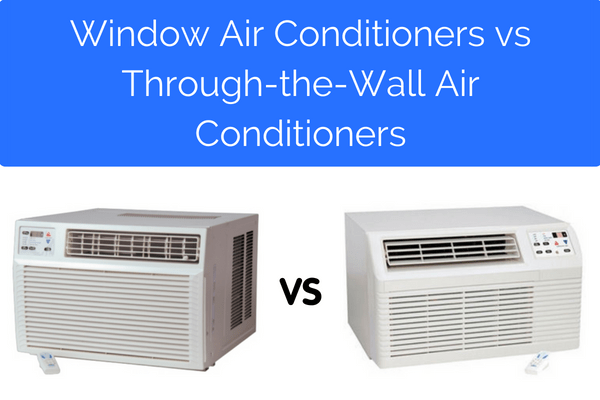
Through-the-wall air conditioners and window air conditioners have similar cooling capacity and size, with through-the-wall units being slightly more efficient. The main differences lie in installation and venting.
Wall units are more energy-efficient as the specific size of the unit fits the hole in the wall, eliminating gaps and leaks found in window units. Window air conditioners, on the other hand, are less expensive, easier to install, but may be less effective at cooling a room and more susceptible to theft.
Through-the-wall air conditioners are a better option for energy efficiency and durability, while window air conditioners provide affordability and simplicity in installation.
2. How Through Wall Air Conditioners Work
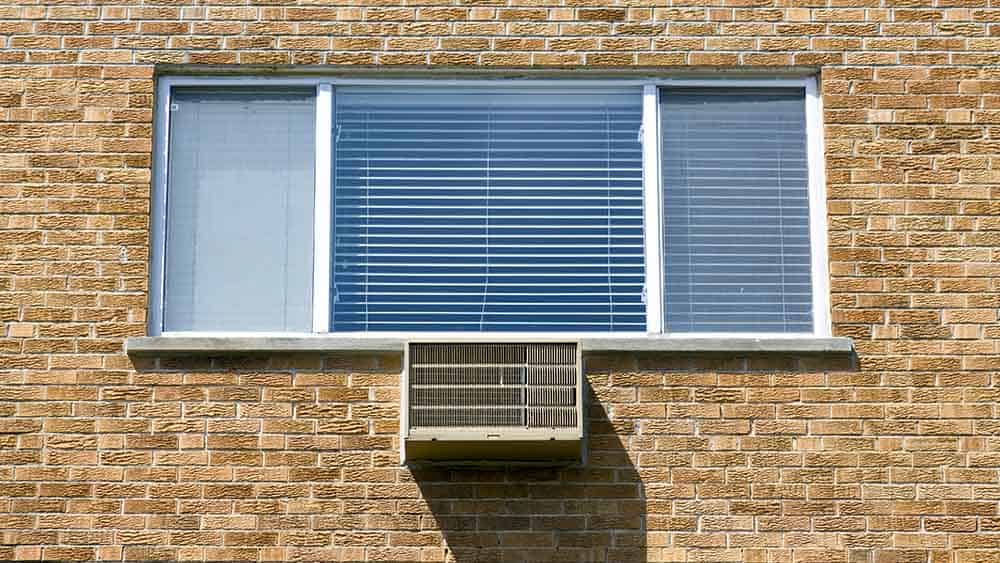
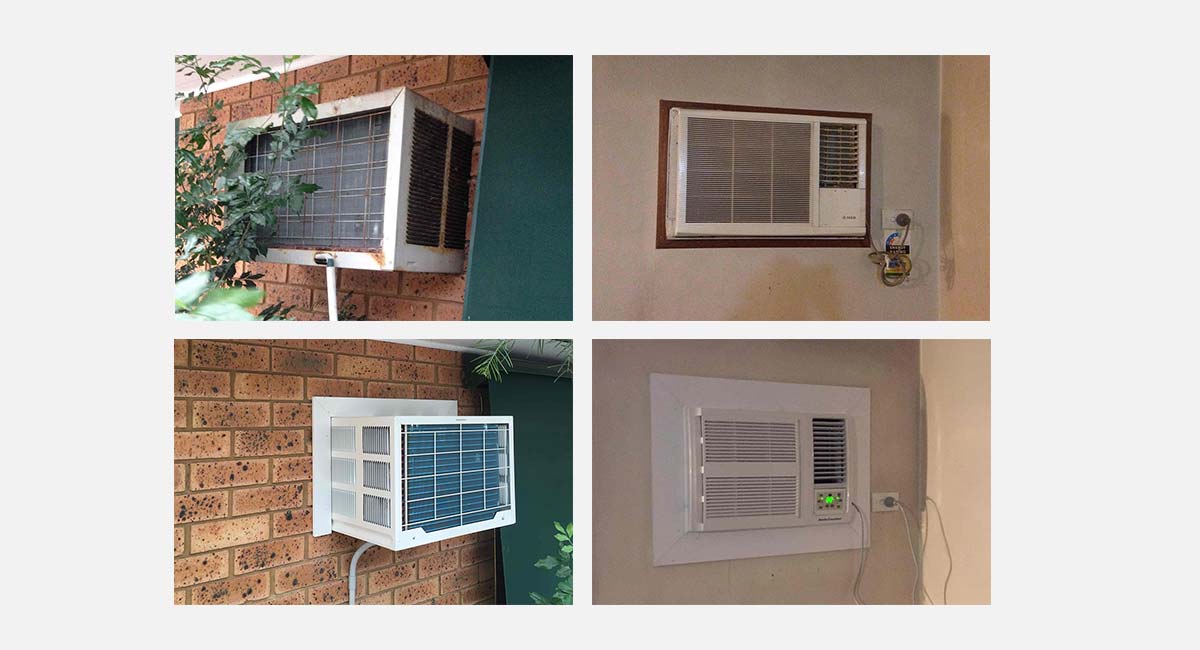
Through-wall air conditioners are installed directly into a wall, offering a sleek and unobtrusive fit. Even though they share cooling capacity and size similarities with window units, through-wall ACs are slightly more efficient due to their custom-fit installation, eliminating the gaps and leaks found in window counterparts.
2.1. Efficient Cooling
Through wall air conditioners are known for their efficient cooling capabilities. These units are specifically designed to cool a room or area by removing heat and humidity from the air. The cooling process begins when the air conditioner pulls warm air from the room into the unit through the front grille.
Inside the unit, the warm air passes through a series of cooling coils that contain a refrigerant. The refrigerant absorbs the heat from the air, causing the warm air to cool down. The cooled air is then recirculated back into the room through the top grille or louvers.
This continuous cycle of drawing in warm air, cooling it down, and recirculating cool air ensures that the room remains at a comfortable temperature. This efficient cooling mechanism makes through wall air conditioners a popular choice for both residential and commercial spaces.
2.2. Installation Process
Installing a through wall air conditioner involves cutting a hole in the wall where you want the unit to be placed. This hole should be the same size as the air conditioner and should be properly sealed to prevent air leaks. Once the hole is cut, the unit is mounted through the wall using a mounting bracket or sleeve.
It is important to ensure that the wall where the unit is installed is strong enough to support the weight of the air conditioner. Additionally, proper electrical wiring needs to be done to connect the unit to a power source.
Compared to window air conditioners, through wall units provide a more permanent and secure installation. The unit sits flush with the wall and does not obstruct any windows or interfere with the view. This makes through wall air conditioners a preferred choice for those who want a long-term cooling solution without compromising on aesthetics.
2.3. Maintenance And Repair
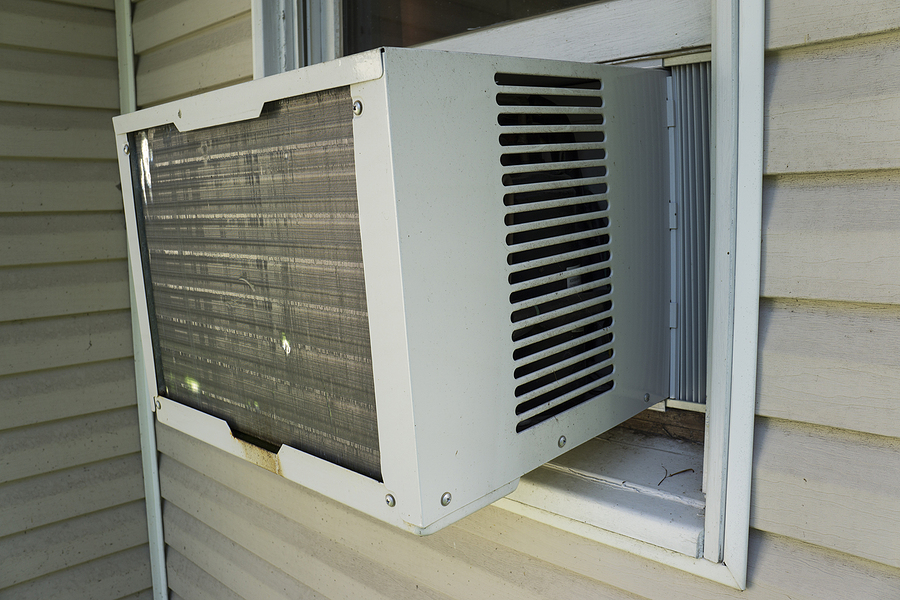
Maintaining through wall air conditioners is relatively easy. Regular cleaning of the air filters is necessary to ensure optimum airflow and prevent dust and dirt buildup. This can be done by removing the front grille and simply washing the filters with warm soapy water.
If there are any issues with the unit, it is recommended to seek professional help for repairs. Through wall air conditioners are complex systems that require specialized knowledge for troubleshooting and repairs. Professional technicians can diagnose and fix any problems and ensure that the unit operates smoothly for years to come.
Credit: www.jerseycoastappliance.com
3. Advantages Of Through Wall Air Conditioners
Through wall air conditioners offer various advantages over window units, making them a popular choice for many homeowners. Let’s explore some of the key benefits:
3.1. Energy Efficiency
- Energy Efficient: Through-wall air conditioners are designed for optimal energy efficiency, helping to reduce electricity bills.
- Sealed Installation: The sealed installation of through-wall units minimizes air leaks, enhancing efficiency.
- Custom Sizing: By fitting precisely through the wall, these units operate more efficiently than window ACs.
3.2. Customization Options
- Tailored Fit: Through-wall ACs allow for a customized fit, ensuring seamless integration with the room’s aesthetics.
- Enhanced Aesthetics: These units offer a sleek and integrated look, enhancing the overall appearance of the space.
- Quiet Operation: Through-wall air conditioners can be quieter than window units, providing a more comfortable environment.
4. Disadvantages Of Through Wall Air Conditioners
When considering through wall air conditioners, it’s important to acknowledge their drawbacks. Despite their effectiveness, these air conditioners come with a few disadvantages that you should consider before making a purchase.
4.1. Cost
Through wall air conditioners usually involve higher installation costs compared to window units. The installation process may require professional assistance, which adds to the overall expense. Additionally, these units are typically more expensive to purchase, making them less cost-effective for those on a budget.
4.2. Permanent Installation
One drawback of through wall air conditioners is their permanent installation. Once installed, these units cannot be easily moved to a different location. This lack of flexibility may be inconvenient for those who prefer portability or frequently change living situations.
Credit: cielowigle.com
5. How Window Air Conditioners Work
Window air conditioners work by extracting warm air from the room, cooling it, and then releasing the cooled air back into the room while expelling the warm air outside.
5.1. Cooling Process
The cooling process of a window air conditioner involves the following steps:
- The unit absorbs warm air from the room through a vent.
- Inside the unit, the warm air passes over the evaporator coils, where the refrigerant absorbs the heat.
- The now-cooled air is then circulated back into the room.
- The absorbed heat is released outside through the condenser coils.
5.2. Installation Process
Installing a window air conditioner involves the following steps:
- Select a suitable window for installation with access to a power outlet.
- Secure the unit in the window frame, ensuring proper support to prevent accidents.
- Seal any gaps around the unit to prevent air leakage.
- Connect the unit to a power source and test its functionality.
6. Advantages Of Window Air Conditioners
When it comes to cooling your space, window air conditioners offer numerous advantages. Let’s dive into some key benefits:
6.1. Lower Cost
- Cost-effective cooling solution
- Generally more affordable upfront
- Ideal for budget-conscious consumers
6.2. Easy Installation
- Simple and straightforward installation
- No complex setup required
- Suitable for DIY enthusiasts
7. Disadvantages Of Window Air Conditioners
When it comes to cooling your home, window air conditioners have been a popular choice for many years. However, it’s important to consider the disadvantages of using these types of AC units. In this section, we will explore the downsides of window air conditioners that you should be aware of before making your final decision.
7.1. Decreased Energy Efficiency
One major drawback of window air conditioners is their decreased energy efficiency compared to through wall air conditioners. These units often have gaps and leaks around the window frame, which allows cool air to escape and hot air to enter the room. As a result, the AC unit has to work harder and use more energy to maintain the desired temperature.
Additionally, window air conditioners are known for their inefficiency in regulating temperature. They tend to create temperature imbalances within the home, requiring the unit to work overtime to compensate. This leads to higher energy consumption and increased electricity bills.
7.2. Limited Placement
Another disadvantage of window air conditioners is their limited placement options. These units require a window opening for installation, which restricts their use to rooms with suitable windows. If you have a room without windows or with unconventional window sizes, you may face challenges in finding an appropriate location for your AC unit.
Furthermore, the installation process for window air conditioners can be time-consuming and require professional assistance. It involves securing the unit in the window frame, creating a seal, and connecting it to a power source. This can be a hassle, especially if you are not familiar with the installation process.
Overall, while window air conditioners have their benefits, it’s important to consider their disadvantages as well before making a decision. From decreased energy efficiency to limited placement options, these units may not be the most suitable choice for every home.
In conclusion, if you prioritize energy efficiency and flexibility, it may be worth considering through wall air conditioners as an alternative to window units. These units offer better energy efficiency and can be installed in various locations within your home, providing you with greater comfort and convenience.
8. Which Is Better: Through Wall Or Window Air Conditioners?
When deciding between through wall and window air conditioners, it’s essential to consider various factors to determine which option suits your needs best. Let’s explore the key considerations and how to choose the right option for your space.
8.1. Factors To Consider
- Installation: Through wall ACs require a permanent installation, while window ACs can be easier to install.
- Efficiency: Through wall units are usually more energy-efficient due to the lack of gaps and leaks found in window ACs.
- Room Size: Consider the size of the room you need to cool to determine the appropriate cooling capacity.
- Noise Levels: Some through wall models may offer quieter operation compared to window units.
8.2. Choosing The Right Option
When selecting between through wall and window air conditioners, assess your specific requirements such as installation preferences, energy efficiency, noise levels, and room size to make an informed decision that fits your needs perfectly.
Credit: www.alliancecc.com.au
Frequently Asked Questions On Through Wall Air Conditioner Vs Window
Is A Through-the-wall Ac Better Than A Window Ac?
Through-the-wall AC units are slightly more efficient than window AC units due to better installation and venting options.
What Is The Disadvantage Of Wall-mounted Air Conditioner?
Wall-mounted air conditioners are less energy-efficient and may struggle to maintain a consistent temperature, leading to higher energy usage.
Which Ac Is Best Window Or Wall?
When it comes to choosing between a window AC and a wall AC, the wall AC is generally considered better. Through-the-wall units tend to be more energy-efficient and durable compared to window units. They also provide better cooling for larger spaces and have less gaps and leaks.
Do Through-the-wall Air Conditioners Work?
Through-the-wall air conditioners are more energy-efficient than window air conditioners since they fit perfectly into the wall, eliminating gaps and leaks. They work by cooling a large space effectively and are more durable than window units.
Conclusion
When deciding between through-wall and window air conditioners, consider efficiency and installation requirements. Through-wall units may offer better energy efficiency and a more secure fit, while window units are easier to install and usually cost less. Select the best option based on your specific needs and space restrictions.