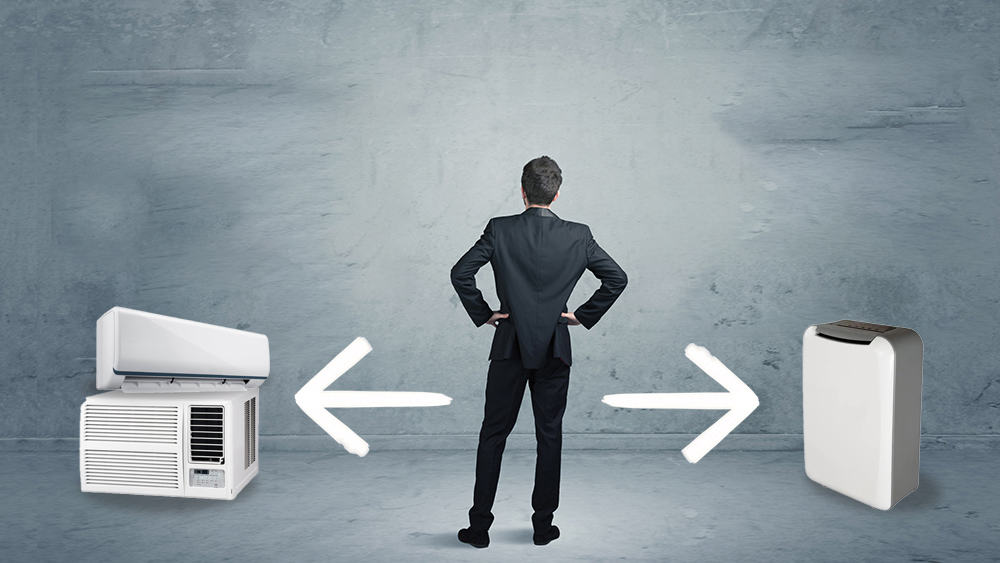
Dehumidifiers remove excess humidity without significantly lowering the temperature, while air conditioners reduce humidity and lower the temperature significantly. Both have their own advantages depending on the specific needs and goals of the user.
Functionality
Understanding the functionality of dehumidifiers and air conditioners is essential when deciding which one would best meet your needs. While both devices are designed to improve indoor air quality and create a more comfortable living environment, they work in different ways. In this section, we will delve into how air conditioners and dehumidifiers function and explore the key differences between them.
How Air Conditioners Work
Air conditioners work by removing heat and moisture from the air, resulting in cooler and drier indoor air. The process starts with the cooling unit, commonly known as the evaporator coil. This coil contains a refrigerant that evaporates when exposed to warm air. As the refrigerant evaporates, it absorbs heat from the surrounding environment, effectively cooling the air. The cooled air is then circulated back into the room, while the heat absorbed by the refrigerant is expelled outdoors through the condenser coil.
How Dehumidifiers Work
Dehumidifiers, on the other hand, are specifically designed to remove excess moisture from the air. These devices employ a simple but effective mechanism called condensation. The process begins with a fan that draws in humid air, passing it over a cold coil. As the air comes into contact with the cold coil, the moisture in the air condenses into water droplets, which are collected in a removable water tank or drained out through a hose. The dehumidifier then releases the drier air back into the room.
Key Differences In Functionality
The key difference between air conditioners and dehumidifiers lies in their primary functions. While air conditioners are primarily designed to cool the air, dehumidifiers focus on reducing humidity levels. Air conditioners not only lower the room temperature but also remove moisture from the air as a byproduct of the cooling process. On the other hand, dehumidifiers solely target excess moisture, making them ideal for areas with high humidity but moderate temperatures.
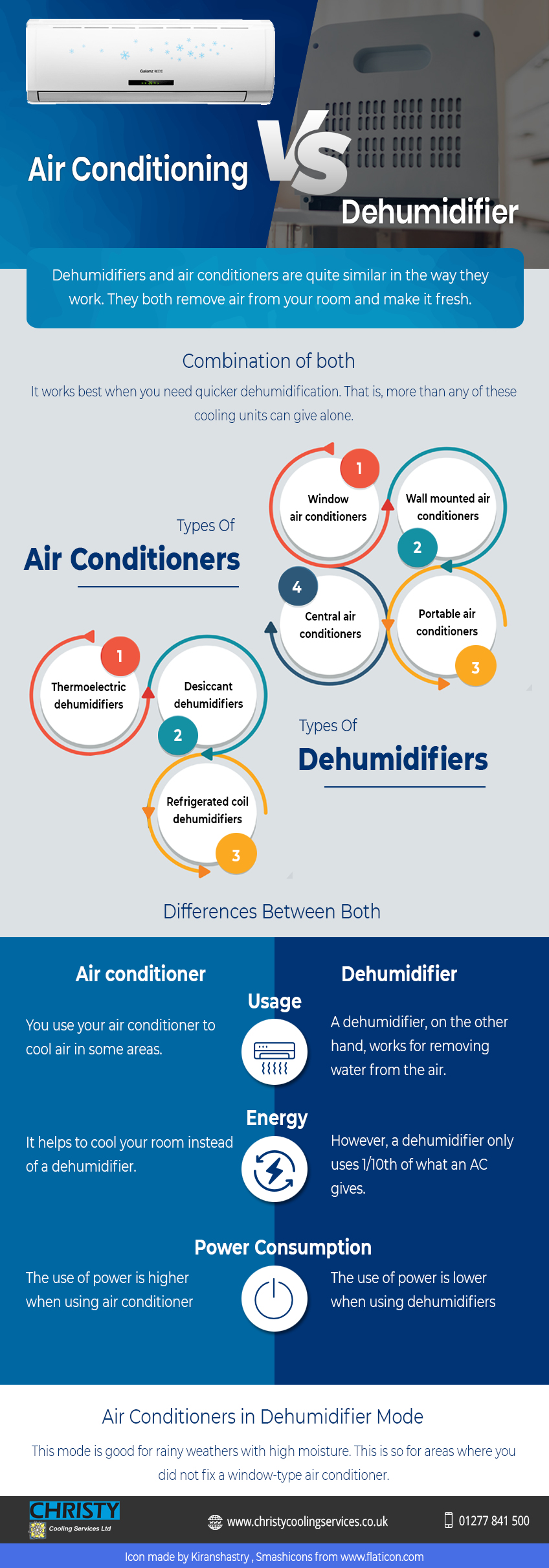
Another notable difference is the impact of each device on energy consumption. Air conditioners require a significant amount of energy to operate, as they not only cool the air but also maintain a specific temperature. In contrast, dehumidifiers consume less energy since their primary purpose is to remove moisture rather than actively cooling the air.
It’s important to note that air conditioners are often more effective in cooling a room compared to dehumidifiers. While dehumidifiers can provide some cooling effect by removing moisture, they are not designed to solely cool the air. Therefore, if your main concern is to reduce the heat in your home, an air conditioner would be the more suitable choice.
In summary, while both air conditioners and dehumidifiers play a crucial role in improving indoor air quality, they differ in functionality. Air conditioners primarily cool the air and reduce humidity as a byproduct, whereas dehumidifiers focus solely on removing excess moisture. Understanding these differences will help you choose the right device for your specific needs and climate conditions.
Credit: cielowigle.com
Cooling Efficiency
Cooling Efficiency:
Effectiveness Of Air Conditioners
Air conditioners are highly effective at lowering the temperature of a room quickly and efficiently.
Effectiveness Of Dehumidifiers
Dehumidifiers are effective in removing excess humidity from the air, which can make a space feel cooler.
Factors To Consider For Cooling Efficiency
- Room size
- Climate
- Airflow
- Humidity levels
When comparing dehumidifiers vs. air conditioners, it’s important to consider these factors to ensure optimal cooling efficiency.
Humidity Control
When it comes to creating a comfortable indoor environment, controlling humidity plays a crucial role. Excessive moisture in the air can lead to mold growth, musty odors, and discomfort. Consequently, many homeowners rely on devices like dehumidifiers and air conditioners to maintain optimal humidity levels. Understanding the role each of these devices plays in humidity control is important for choosing the most effective solution for your needs.
Role Of Air Conditioners In Humidity Control
Air conditioners not only cool the air but also help in reducing humidity levels. As warm air passes through the evaporator coil, the moisture in the air condenses and is removed, resulting in drier, cooler air being circulated back into the room.
Role Of Dehumidifiers In Humidity Control
Dehumidifiers are specifically designed to target and remove excess moisture from the air. These devices pull in humid air, extract the moisture, and then release the drier air back into the room, effectively reducing humidity levels.
Which Is More Effective For Humidity Control
In terms of humidity control, dehumidifiers are generally more effective as they are specifically designed to remove moisture from the air. While air conditioners can help in reducing humidity levels, they may not be as efficient as dehumidifiers in extremely humid conditions.
Credit: airandenergynwfl.com
Temperature Control
When it comes to maintaining a comfortable indoor environment, the ability to control temperature is crucial. Both dehumidifiers and air conditioners are effective in regulating temperature, but they operate in different ways.
Benefits Of Air Conditioners For Temperature Control
Air conditioners not only cool the air but also provide excellent temperature control. They are capable of reducing the overall temperature within a space, creating a comfortable and cool environment, especially during hot summer months.
Benefits Of Dehumidifiers For Temperature Control
Dehumidifiers are specifically designed to remove excess moisture from the air, thereby reducing humidity levels. By doing so, they help in creating a more balanced and comfortable indoor environment, particularly in humid climates.
Comparing Temperature Control Capabilities
When it comes to temperature control, air conditioners are more effective in lowering overall room temperature and maintaining a cool environment. On the other hand, dehumidifiers are better at reducing humidity levels, making the indoor space feel more comfortable and preventing dampness. However, they do not actually lower the temperature. Therefore, the choice between the two depends on the specific need: if the aim is to cool the air, an air conditioner is the better option; if the focus is on reducing humidity levels, a dehumidifier is the suitable choice.
Energy Consumption
Energy Efficiency Of Air Conditioners
Air conditioners consume electricity to cool the air in a room.
Energy Efficiency Of Dehumidifiers
Dehumidifiers consume less energy compared to air conditioners as they primarily focus on removing moisture from the air.
Impact On Utility Bills
- Air conditioners usually contribute more to higher utility bills due to their higher energy consumption.
- Dehumidifiers, being more energy-efficient, lead to lower electricity costs.
Credit: christycoolingservices.co.uk
Cost Considerations
In considering cost factors between dehumidifiers and air conditioners, it’s essential to weigh their energy consumption. Generally, dehumidifiers are more cost-effective to run than air conditioners and are ideal for reducing humidity in moderately warm environments. However, if cooling is the primary concern, an air conditioner may be the more suitable option for significant temperature reduction.
Upfront Costs Of Air Conditioners
Air conditioners are a popular choice for cooling indoor spaces, but they come with a higher upfront cost compared to dehumidifiers. On average, the upfront cost of purchasing and installing a central air conditioning system can range from $2,500 to $7,500, depending on the size of the unit and the complexity of the installation process. Additionally, window air conditioners are a more affordable option, with prices typically ranging from $150 to $700. However, keep in mind that these prices do not include ongoing maintenance costs or energy consumption expenses.Upfront Costs Of Dehumidifiers
In contrast to air conditioners, dehumidifiers are generally more affordable upfront. Portable dehumidifiers, which are suitable for smaller spaces, can range in price from $30 to $500. On the other hand, whole-house dehumidifiers designed to regulate humidity in larger areas tend to cost between $1,200 and $2,500. It’s important to note that these prices may vary depending on the brand, model, and features of the dehumidifier you choose.Long-term Cost Analysis
When considering the long-term costs of air conditioners versus dehumidifiers, there are several factors to keep in mind. While air conditioners are effective at both cooling and dehumidifying, they consume a significant amount of energy, resulting in higher electricity bills. On the contrary, dehumidifiers use less energy, making them a more cost-effective option for maintaining optimal humidity levels in the long run. Additionally, air conditioners require regular maintenance, including filter replacements and professional servicing, which can add to the overall expense. On the other hand, dehumidifiers typically have minimal maintenance requirements, reducing the costs associated with upkeep. Ultimately, the choice between an air conditioner and a dehumidifier should be based on your specific needs and budget. If cooling is your primary concern, an air conditioner may be the better choice, despite the higher upfront and long-term costs. However, if humidity control and energy efficiency are your priorities, investing in a dehumidifier can provide significant cost savings over time.Choosing The Right Solution
Choosing between a dehumidifier and an air conditioner depends on your specific needs. Dehumidifiers are ideal for reducing humidity without cooling, while air conditioners serve to lower both humidity and temperature. Consider which function aligns better with your comfort goals to make the right choice.
Factors To Consider
Factors like cost, efficiency, and climate play a crucial role.
Climate And Geographical Considerations
Climate and geography impact the choice between dehumidifiers and air conditioners.
Consulting With Professionals
Professional guidance ensures selecting the optimal solution for your needs.
Frequently Asked Questions For Dehumidifiers Vs Air Conditioners
Can A Dehumidifier Replace An Air Conditioner?
No, a dehumidifier cannot replace an air conditioner. Dehumidifiers remove humidity but can add warmth to the room, so they are best used when the temperature is not already too hot. They can be a cost-effective alternative to using the air conditioner in certain situations.
Is It Cheaper To Run A Dehumidifier Or Central Air?
It is cheaper to run a dehumidifier than a central air conditioner. Dehumidifiers cost significantly less to operate and are an effective alternative to using the air conditioner, especially when the ambient temperature is not too hot.
Do Dehumidifiers Cool Down A Room?
Dehumidifiers remove humidity but don’t directly cool a room. They are best used in combination with an air conditioner for optimal comfort.
Is A Dehumidifier Better Than An Air Conditioner In The Summer?
A dehumidifier is better than an air conditioner in reducing humidity without significantly cooling the room. It is cost-effective and most beneficial for homes where temperature control is not a primary concern.
Conclusion
Ultimately, choosing between dehumidifiers and air conditioners depends on your specific needs and preferences. Dehumidifiers can be a cost-effective alternative for reducing humidity, while air conditioners are best for cooling down a hot room. Consider your priorities to make the right decision for your space.