A two-stage air conditioner offers better efficiency, better humidity control, and quieter operation compared to a standard, single-stage AC unit. It is definitely a step up in terms of performance and comfort.
Two-stage AC units have compressors that can operate at two distinct speeds, providing more control over cooling levels. They do not turn off as frequently as single-stage units, but they are not as continuous as variable speed air conditioners. Variable-speed AC units, which have compressors that can run at multiple speeds, are even more efficient.
We will further explore the differences between these types of air conditioners and help you decide which one is the best fit for your needs.
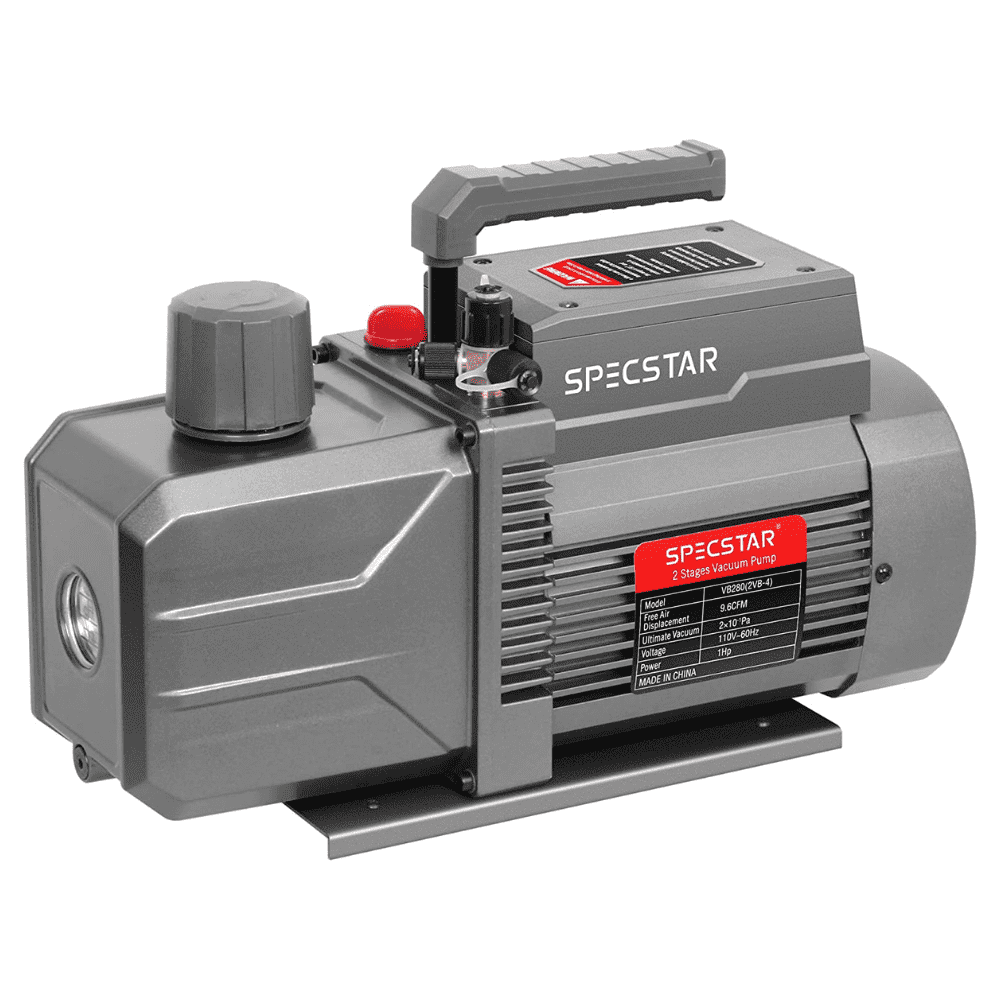
Credit: vivohome.com
Introduction To Air Conditioners
When considering air conditioners, the choice between a 2-stage and 1-stage system is crucial. A 1-stage air conditioner operates at a single speed, whereas a 2-stage air conditioner offers better efficiency, humidity control, and quieter operation with its dual-speed compressor.
Ultimately, a 2-stage air conditioner presents a noticeable improvement.
What Is An Air Conditioner?
An air conditioner is a device that cools and dehumidifies the air in a specific environment. It works by extracting heat from the indoor air and transferring it outside, leaving behind cool air that is then circulated back into the room. Air conditioners are commonly used in homes, offices, and other indoor spaces to maintain a comfortable temperature, especially during hot summer months.Why Is Choosing The Right Air Conditioner Important?
Choosing the right air conditioner is important for several reasons. Firstly, the right air conditioner ensures optimal cooling and comfort in your living or working space. A properly sized and efficient air conditioner can provide effective cooling without consuming excessive energy, saving you money on your electricity bills. Moreover, a well-functioning air conditioner can improve indoor air quality by filtering out dust, allergens, and pollutants, creating a healthier and more pleasant environment. Lastly, choosing the right air conditioner can also impact the durability and longevity of the unit, reducing the need for frequent repairs or replacements. In conclusion, understanding what an air conditioner is and why choosing the right one is crucial sets the foundation for exploring the benefits of different types of air conditioners, such as the 2 Stage Air Conditioner and 1 Stage Air Conditioner.Understanding Single Stage Air Conditioners
A single-stage air conditioner refers to a cooling system that operates at full capacity whenever it is running and has only one stage of operation.
In a single-stage air conditioner, the compressor runs at maximum capacity when the system is turned on, leading to quick cooling of the indoor space.
- Fairly straightforward design
- Lower initial cost
- Simple maintenance
- Less energy-efficient
- May lead to higher energy bills
- Doesn’t provide precise temperature control
Understanding Two-stage Air Conditioners
Considering upgrading to a two-stage air conditioner? Compared to single-stage units, two-stage ACs offer enhanced efficiency, superior humidity control, and quieter performance. Making the switch could be a significant improvement for your indoor comfort.
Definition Of Two-stage Air Conditioner
A two-stage air conditioner has a compressor that operates at two distinct speeds. This allows the unit to run at a lower capacity for regular cooling needs, and at full capacity during extreme heat.How Does A Two-stage Air Conditioner Work?
In a two-stage air conditioner, the system starts in the first stage, operating at around 70% capacity for normal cooling demands. If the temperature rises and the first stage is insufficient, the unit shifts to the second stage, running at 100% capacity to meet increased cooling needs.Advantages Of Two-stage Air Conditioners
Better energy efficiency: Operating at a lower capacity most of the time results in reduced energy consumption, leading to lower utility bills. Improved humidity control: The longer operating cycles in the first stage allow for greater dehumidification, creating a more comfortable indoor environment. Quieter operation: The unit runs at a lower speed most of the time, resulting in reduced noise levels.Disadvantages Of Two-stage Air Conditioners
Higher initial cost: Two-stage air conditioners typically come with a higher upfront price tag compared to single-stage units. Complexity: The system is more complex, which can lead to increased maintenance and repair costs over time. In conclusion, understanding the benefits and drawbacks of two-stage air conditioners can help homeowners make informed decisions when selecting the most suitable cooling system for their needs.
Credit: twitter.com
Comparison Between Single Stage And Two-stage Air Conditioners
If you’re looking to upgrade your home’s air conditioning system, you might be considering the advantages of a two-stage air conditioner over a traditional single-stage unit. By understanding the differences in efficiency, humidity control, noise levels, and cost, you can make an informed decision that best meets your cooling needs.
Efficiency Comparison
When comparing the efficiency of single-stage and two-stage air conditioners, the latter offers significant benefits. A two-stage system provides better energy efficiency by adjusting its output based on the required cooling load. This results in more consistent indoor temperatures and lower energy consumption, ultimately reducing your utility bills.
Humidity Control Comparison
In terms of humidity control, a two-stage air conditioner outshines a single-stage unit. The ability to operate at a lower capacity allows the system to remove more humidity from the air, leading to improved comfort and reduced moisture levels in your home. This is particularly beneficial in hot and humid climates where effective humidity control is essential.
Noise Level Comparison
When it comes to noise levels, a two-stage air conditioner operates more quietly than a single-stage model. The two-stage system typically runs at a lower capacity, resulting in reduced noise output. This translates to a quieter and more peaceful indoor environment, especially during times when the air conditioner is running for extended periods.
Cost Comparison
While the upfront cost of a two-stage air conditioner may be higher than a single-stage unit, the long-term cost savings can offset the initial investment. With improved energy efficiency and lower utility bills, a two-stage system offers greater cost-effectiveness over its lifespan. Additionally, the enhanced comfort and reduced maintenance requirements contribute to the overall value of choosing a two-stage air conditioner.
Understanding Variable Speed Air Conditioners
When it comes to choosing between a 2 stage air conditioner and a 1 stage, it’s important to understand the benefits of each. While a 2 stage air conditioner provides better efficiency, humidity control, and quieter operation, a variable speed air conditioner offers even greater efficiency with its multiple speed compressor.
Definition Of Variable Speed Air Conditioner
A variable speed air conditioner is a system that can adjust its operating speed and output in response to the cooling demands of the space it is serving.
How Does A Variable Speed Air Conditioner Work?
Variable speed air conditioners utilize advanced technology that allows the compressor to operate at varying speeds, providing precise control over the indoor climate.
Advantages Of Variable Speed Air Conditioners
- Enhanced energy efficiency
- Improved humidity control
- Quieter operation
- Consistent temperature regulation
Disadvantages Of Variable Speed Air Conditioners
- Initial cost may be higher
- Requires professional installation and maintenance
- Complex technology may lead to potential repair costs

Credit: www.ebay.com
Comparison Between Two-stage And Variable Speed Air Conditioners
A two-stage air conditioner operates at two distinct speeds, offering better efficiency, humidity control, and quieter operation compared to a standard single-stage AC. While they don’t run as continuously as variable-speed units, two-stage ACs are a great upgrade for optimal comfort.
If you’re in the market for a new central air conditioner, you may be wondering whether a two-stage air conditioner or a variable speed air conditioner is the best choice for you. Understanding the differences between these two options can help you make an informed decision. In this article, we will compare the efficiency, humidity control, noise level, and cost of two-stage air conditioners versus variable speed air conditioners.
Efficiency Comparison
When it comes to efficiency, both two-stage and variable speed air conditioners have advantages over single-stage units. However, variable speed air conditioners are known to be the most energy-efficient option. Variable speed compressors can run at multiple speeds, allowing the unit to adjust its cooling capacity based on the current conditions. This precise control results in optimal energy usage and higher overall efficiency.
Humidity Control Comparison
In terms of humidity control, both two-stage and variable speed air conditioners outperform single-stage units. Two-stage air conditioners have two operating speeds – high and low. The low speed is ideal for maintaining consistent comfort and humidity levels during mild weather conditions. Variable speed air conditioners, on the other hand, provide even better humidity control due to their ability to adjust their cooling capacity and fan speed dynamically. This feature allows them to remove more moisture from the air, providing enhanced indoor comfort.
Noise Level Comparison
Noise level is an important consideration when choosing an air conditioner, especially if the unit will be installed near living spaces or bedrooms. Compared to single-stage air conditioners, both two-stage and variable speed units operate at lower noise levels thanks to their ability to run at lower speeds. However, variable speed air conditioners are generally quieter than two-stage units since they have more precise control over the compressor speed and fan operation.
Cost Comparison
When it comes to cost, two-stage air conditioners are generally more affordable than variable speed units. While both options offer improved efficiency and comfort, variable speed air conditioners come with a higher price tag. However, it’s important to consider the long-term energy savings when evaluating the cost of these units. Thanks to their higher efficiency and ability to adjust their operation based on actual demand, variable speed air conditioners can potentially save you more money on energy bills over time.
In conclusion, both two-stage and variable speed air conditioners offer significant advantages over single-stage units. While two-stage units provide better efficiency and humidity control compared to single-stage units, variable speed air conditioners outperform both options in terms of energy efficiency and precise humidity control. Although they come with a higher price tag upfront, the long-term energy savings they offer may make them a worthwhile investment. Ultimately, the choice between these two options will depend on your specific needs, budget, and preferences.
Making The Choice: Factors To Consider
Considering a 2-stage air conditioner vs. 1 stage? Opting for a 2-stage unit offers enhanced efficiency, improved humidity control, and quieter operation, making it a beneficial upgrade from the standard single-stage AC. Evaluate these factors when making your decision.
Size Of The Space
Consider the square footage of your area to ensure adequate cooling.
Climate
Climate plays a crucial role in determining the AC unit efficiency.
Usage Patterns
Understanding how often you use the AC helps in making the right choice.
Budget
Factor in your budget to decide which system aligns with your financial plan.
If you’re getting a new central air conditioner, you might be considering a two-stage unit. Compared to the standard, single-stage AC you’re probably replacing, a two-stage air conditioner offers better efficiency, better humidity control, and quieter operation. It’s definitely a step up.
Frequently Asked Questions Of 2 Stage Air Conditioner Vs 1 Stage
Is A 2 Stage Ac Worth The Extra Money?
Yes, a 2-stage AC is worth the extra money for better efficiency, improved humidity control, and quieter operation.
Is 2 Stage Ac Better Than Single-stage?
A two-stage AC offers better efficiency, humidity control, and quieter operation compared to a single-stage. It’s a step up.
How Do I Know If I Have 1 Stage Or 2 Stage Ac?
To determine if you have a 1 stage or 2 stage AC, check if your AC operates at 2 distinct speeds for a 2-stage system. It offers better efficiency, humidity control, and quieter operation than a 1-stage unit.
Does A 2 Stage Ac Run All The Time?
A two-stage AC does not run all the time. It has a compressor that operates at two distinct speeds, providing better efficiency, humidity control, and quieter operation compared to a single-stage AC. However, it is not as continuous as a variable-speed AC, which offers even greater efficiency.
Conclusion
When choosing between a 2-stage and 1-stage air conditioner, consider efficiency, humidity control, and noise levels. A 2-stage unit offers enhanced features compared to a traditional single-stage AC, making it a worthwhile investment for improved home cooling experience. Make an informed decision based on your specific needs and preferences.