Air coolers are suitable for smaller spaces, more energy-efficient, and budget-friendly compared to air conditioners. When it comes to choosing between air coolers and air conditioners, it’s essential to understand their differences and which one better suits your needs.
Air coolers use evaporative cooling to lower temperatures, making them ideal for hot and dry climates, while air conditioners are more effective in extremely hot or humid environments. While air coolers are cheaper and simpler, air conditioners offer faster cooling and are more suitable for larger spaces.
Understanding these distinctions can help you make an informed decision when deciding between an air cooler and an air conditioner for your cooling needs.
Differences Between Air Coolers And Air Conditioners
When it comes to cooling your space, choosing between an air cooler and an air conditioner can be a tough decision. Both have their pros and cons, and understanding the differences can help you make an informed choice. Let’s take a closer look at the working mechanism, energy efficiency, cost, and effectiveness in different climates of air coolers and air conditioners.
Working Mechanism
The working mechanism of air coolers and air conditioners is quite different. Air coolers, also known as evaporative coolers, work by drawing in warm air from the environment and passing it through a moist pad. This process causes the water in the pad to evaporate, which lowers the temperature of the air. The cooled air is then circulated back into the room.
On the other hand, air conditioners work by using refrigerants to cool the air. These refrigerants transfer heat from the indoor air to the outside environment, leaving behind cool air that is then circulated into the room. The cooling effect is achieved through a compressor, condenser, expansion valve, and evaporator.
Energy Efficiency
When it comes to energy efficiency, air coolers have the upper hand. They consume significantly less energy compared to air conditioners. Air coolers rely on the natural process of evaporation to cool the air, which requires less energy compared to the complex compressor-based cooling mechanism of air conditioners.
Furthermore, air coolers do not require a constant supply of electricity to operate. They only need electricity to power the fan and the water pump, making them a cost-effective choice for those looking to reduce their energy consumption.
Cost
Speaking of cost, air coolers are generally more affordable than air conditioners. Not only are the initial purchase costs lower, but the operational costs are also significantly lower. Air coolers do not require refrigerants or complex installations, which further reduces the overall cost.
On the other hand, air conditioners can be quite expensive to buy and install. They also require regular maintenance and the cost of electricity to operate can be higher compared to air coolers.
Effectiveness In Different Climates
Both air coolers and air conditioners have their strengths and weaknesses when it comes to different climates. Air coolers work best in hot and dry climates where the humidity is low. The evaporative cooling mechanism is most effective in such conditions.
On the other hand, air conditioners are more effective in humid climates. They dehumidify the air as they cool it, making them a better choice for areas with high humidity levels.
| Factors | Air Coolers | Air Conditioners |
|---|---|---|
| Working Mechanism | Evaporative cooling through water evaporation | Compressor-based cooling using refrigerants |
| Energy Efficiency | Highly energy-efficient | Higher energy consumption |
| Cost | Affordable initial cost and low operational cost | Expensive initial cost and higher operational cost |
| Effectiveness in Different Climates | Works best in hot and dry climates | Works well in humid climates |
In conclusion, both air coolers and air conditioners have their advantages and disadvantages. Air coolers are more energy-efficient and cost-effective, making them a great option for those on a budget. They work best in hot and dry climates. On the other hand, air conditioners are more effective in humid climates and offer precise temperature control. The choice between the two ultimately depends on your specific needs and preferences.
References:
Credit: www.quora.com
Advantages Of Air Coolers
Air coolers offer several advantages over air conditioners. They are more energy-efficient and cost-effective, making them a great option for those on a budget. Additionally, air coolers are designed for smaller spaces and can effectively cool areas, making them a viable alternative to air conditioners.
Affordability
Air coolers are a budget-friendly cooling option for those looking to save money on their cooling expenses.
Energy Efficiency
Air coolers consume less electricity than traditional air conditioners, resulting in lower energy bills over time.
Natural Cooling
Air coolers utilize the natural process of evaporation to cool the air, providing a refreshing breeze without the need for harmful refrigerants.
Disadvantages Of Air Coolers
Air coolers, while offering many benefits, come with some drawbacks that need to be considered. Understanding these disadvantages is essential to make an informed decision regarding the most suitable cooling option for your needs.
Limited Cooling Capacity
One of the key disadvantages of air coolers is their limited cooling capacity. They are effective in smaller areas, and when you need to cool larger spaces, they may not offer the desired level of cooling. This limitation can lead to inadequate cooling in bigger rooms or areas, making them less practical in such scenarios.
Humidity Concerns
Another drawback of air coolers is related to humidity. When air coolers are used in closed or poorly ventilated spaces, they can increase the humidity levels. This can result in a feeling of stuffiness and, in extreme cases, contribute to the growth of mold and mildew. Moreover, elevated humidity levels can potentially lead to respiratory problems, posing a health concern.
Maintenance
Regular maintenance is crucial for air coolers to function optimally. Cleaning and maintaining the water tank, pads, and filters are essential to prevent the buildup of dirt, mold, or bacteria. Neglecting maintenance can diminish the cooling efficiency and lead to potential hygiene issues. Regular upkeep also ensures the longevity of the appliance, necessitating time and effort on the part of the user.
Advantages Of Air Conditioners
Air conditioners offer rapid and efficient cooling for all weather conditions. They provide better humidity control and air filtering for improved indoor air quality. Additionally, air conditioners work effectively in both hot and humid climates, making them a versatile choice for many households.
Air Conditioners: Advantages Powerful Cooling ————————————— With air conditioners, powerful cooling is a standout advantage. They utilize a refrigerant system that cools the air more effectively than air coolers. This ensures rapid cooling in any room, even in hot and humid climates. Temperature Control ———————————– Temperature control is another notable advantage of air conditioners. They offer precise control over the indoor temperature, allowing users to set and maintain their preferred levels of comfort regardless of the outdoor conditions. This precise control makes air conditioners ideal for maintaining a consistently cool environment. Humidity Control ————————— Air conditioners provide effective humidity control by extracting excess moisture from the air. This feature not only enhances comfort but also helps in preventing mold and mildew growth in the indoor environment. Additionally, reduced humidity levels contribute to better indoor air quality, making air conditioners beneficial for overall respiratory health. In conclusion, air conditioners offer powerful cooling, precise temperature control, and efficient humidity control, making them a compelling choice for those seeking consistent comfort and a healthy indoor environment.Disadvantages Of Air Conditioners
Air coolers can lead to increased humidity in closed spaces, promoting mold growth and respiratory issues. In hot, humid climates, air conditioners are more effective at providing relief from the heat.
Higher Cost
Air conditioners typically come with a higher initial cost than air coolers, making them less budget-friendly.
Higher Energy Consumption
Air conditioners consume more energy, leading to increased electricity bills over time.
Installation And Maintenance
Installing and maintaining air conditioners can be complex and may require professional help, adding to the overall cost.
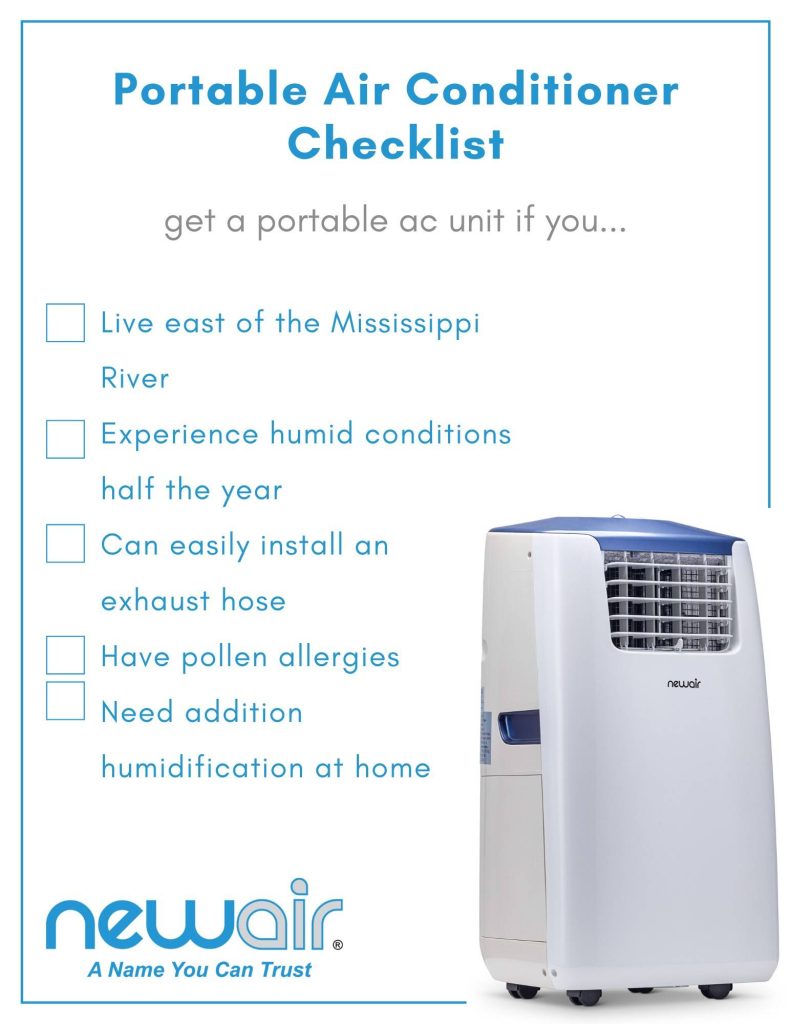
Credit: www.newair.com
Choosing Between An Air Cooler And An Air Conditioner
Choosing between an air cooler and an air conditioner can be a tough decision. Both options have their advantages and disadvantages, and it ultimately depends on your specific needs and preferences. In this blog post, we will explore the key factors to consider when making this choice to help you make an informed decision.
1. Budget
An important factor to consider when choosing between an air cooler and an air conditioner is your budget. Air coolers are generally more affordable than air conditioners. They have lower upfront costs and consume less energy, resulting in lower electricity bills in the long run. If you are on a tight budget or looking for a cost-effective cooling solution, an air cooler might be the better choice for you.
2. Climate And Region
The climate and region you live in should also play a significant role in your decision-making process. Air coolers work best in areas with a hot and dry climate. The cooling effect of air coolers is based on evaporative cooling, which relies on dry air to function effectively. If you live in a humid or coastal region, an air conditioner might be a better option as it can dehumidify the air and provide more efficient cooling.
3. Cooling Requirements
Consider the specific cooling requirements of the space you want to cool. Air coolers are suitable for smaller areas and are ideal for bedrooms, offices, and smaller rooms. They provide localized cooling and can effectively cool a specific area. On the other hand, air conditioners are more powerful and can cool larger spaces such as living rooms or entire homes. If you need to cool a larger area or have specific cooling requirements, an air conditioner might be the better choice.
4. Long-term Investment
When making a decision between an air cooler and an air conditioner, it’s essential to consider the long-term investment. Air conditioners generally have higher upfront costs, but they are a more significant long-term investment. They have a longer lifespan and can provide efficient cooling for many years. Air coolers, although more affordable, might require more frequent maintenance and replacement over time. If you are looking for a long-term cooling solution, an air conditioner might be worth the investment.
In conclusion, choosing between an air cooler and an air conditioner depends on your budget, climate, cooling requirements, and long-term investment plans. Consider these factors carefully and weigh the pros and cons of each option before making your decision. Remember to assess your specific needs and preferences to find the cooling solution that works best for you.
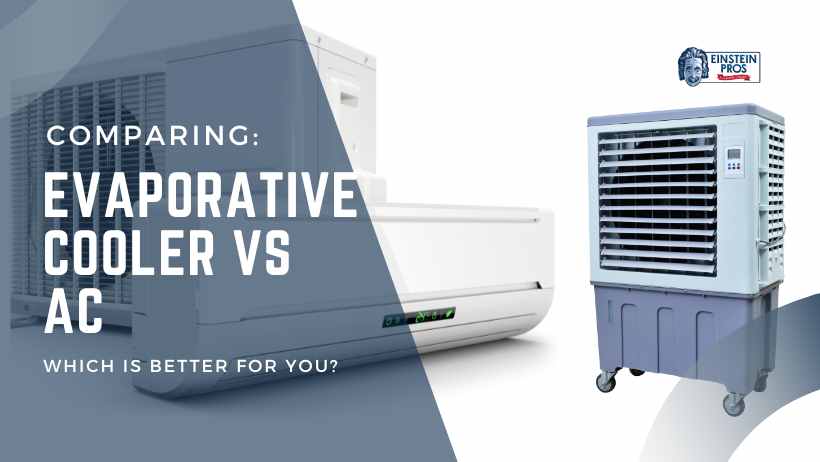
Credit: einsteinpros.com
Frequently Asked Questions For Air Coolers Vs Air Conditioners
Which Is Better Air Cooler Or Ac?
Air coolers are better than ACs as they effectively cool smaller spaces, are energy-efficient, and cost-effective. ACs, on the other hand, cool rooms faster and are more suitable for larger areas like offices and halls.
What Are The Disadvantages Of Air Cooler?
The disadvantages of air coolers include the potential for increased humidity and stuffiness in closed or poorly ventilated spaces, which can lead to mold, mildew, and respiratory problems. Air conditioners may be more effective in extremely hot or humid climates.
Do Air Coolers Work As Well As Air Conditioners?
Air coolers are cost-effective and more energy-efficient for smaller spaces but may not be as effective in hot or humid climates compared to air conditioners.
Does Air Cooler Cool The Room Like Ac?
An air cooler effectively cools smaller spaces and is more energy-efficient and cost-effective than an AC. However, it’s not as effective in extremely hot or humid climates compared to air conditioners, which are better for faster cooling in diverse environments.
Conclusion
When making the choice between air coolers and air conditioners, consider your budget and climate. Air coolers are cost-effective and suitable for dry areas, while air conditioners cool rooms faster and are ideal for larger spaces. Make an informed decision based on your needs and preferences.