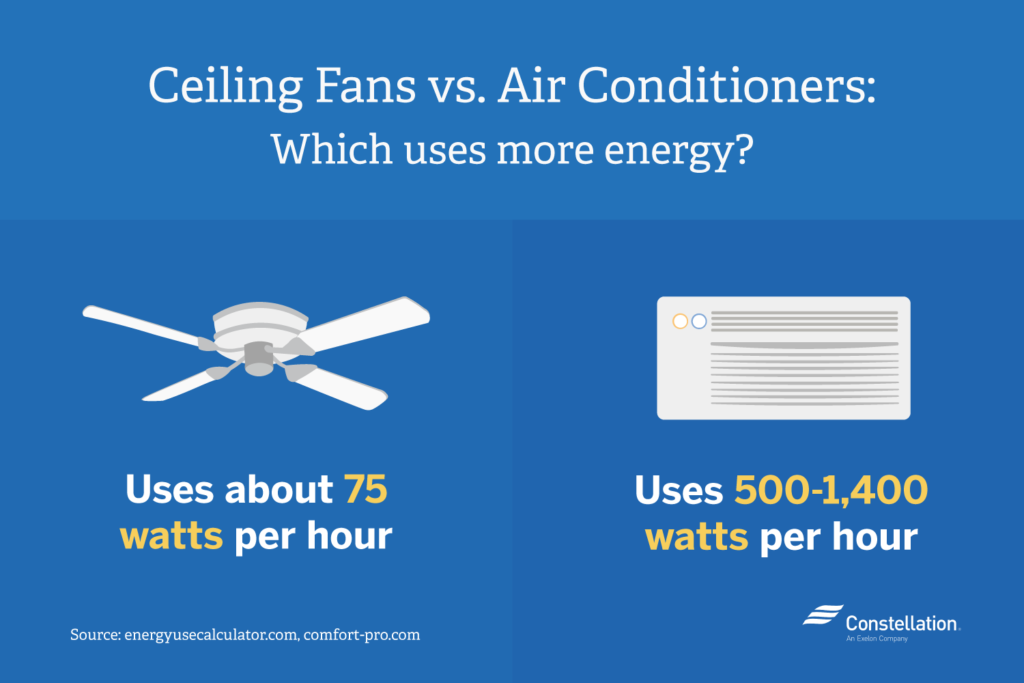
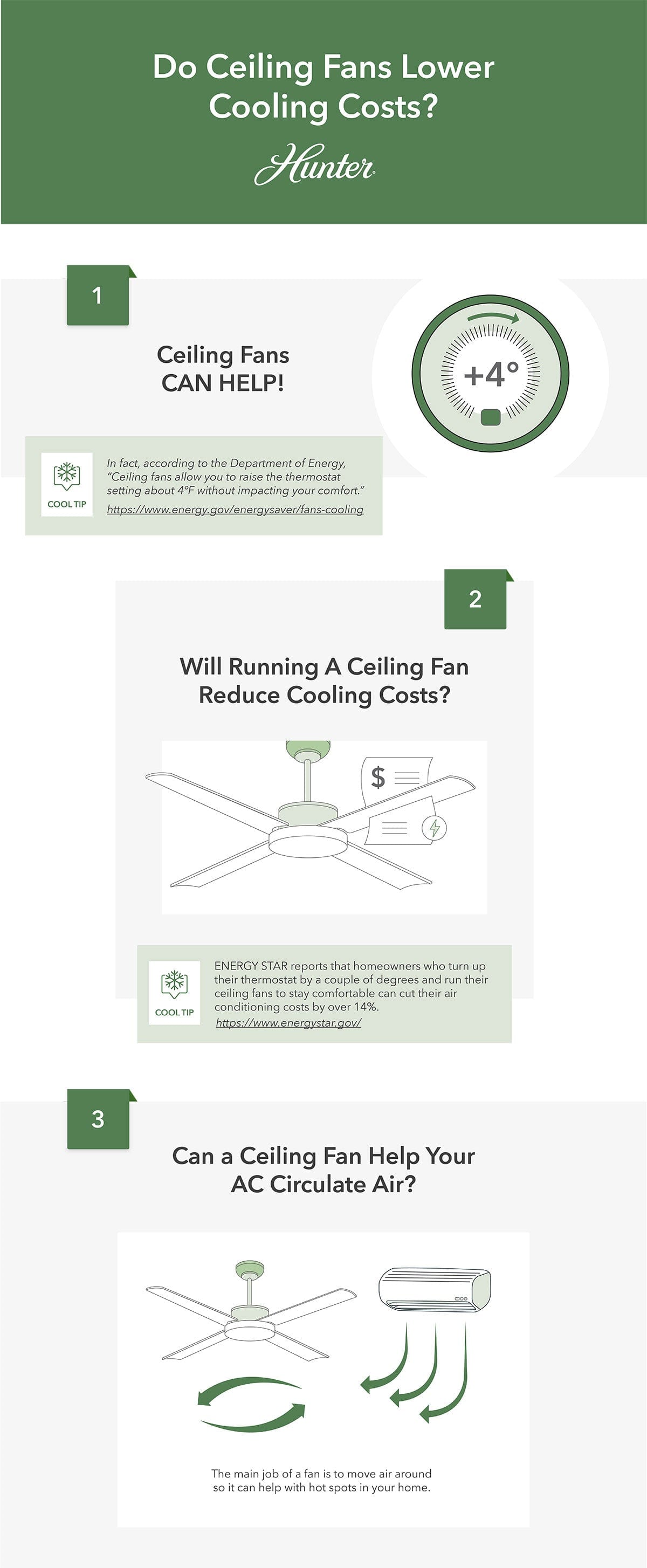
A fan consumes significantly less electricity compared to an air conditioner, making it a more energy-efficient option for cooling. Fans cost only a fraction of the energy required to power an air conditioning unit, resulting in lower electricity bills.
Understanding Power Consumption
When it comes to staying cool during the hot summer months, many people often find themselves considering the options of using a fan or an air conditioner. Both fan and air conditioner serve the purpose of cooling the air, but they have significant differences in terms of power consumption. Understanding power consumption is crucial in making an informed decision about which cooling technology to choose. In this article, we will explore the energy efficiency of fans and air conditioners and highlight the difference in electricity usage between the two.
Energy Efficiency Of Fans
Fans are known for their energy efficiency as they consume significantly less electricity compared to air conditioners. Running a fan typically costs a fraction of the energy required to power an air conditioning unit. To put it into perspective, let’s consider a ceiling fan, for example. A ceiling fan typically uses around 60 watts of electricity, which is significantly lower compared to the average power consumption of an air conditioner, which can range from 1000 to 5000 watts.
The low power consumption of fans makes them a more cost-effective choice in the short term. When it comes to your electricity bill, using a fan can result in noticeable savings. Additionally, fans are available in different models and sizes, allowing you to choose the one that best fits your cooling needs and energy efficiency requirements.
Energy Efficiency Of Air Conditioners
Air conditioners are undoubtedly a powerful cooling technology that can efficiently cool down a room or an entire house. However, their energy efficiency differs from that of fans. While air conditioners provide effective cooling, they consume significantly more electricity to operate. The energy consumption of air conditioners can vary depending on factors such as the size of the unit, the desired temperature, and the duration of use.
On average, air conditioners consume a higher amount of electricity, ranging from 1000 to 5000 watts or even more, depending on the size and type of the unit. This higher power consumption translates into higher electricity bills in the long run compared to using a fan. However, it’s important to note that air conditioners offer precise temperature control and can efficiently cool large spaces, which might be necessary in certain climates or situations.
Difference In Electricity Usage
The difference in electricity usage between fans and air conditioners is substantial. Fans consume significantly less electricity, making them a more energy-efficient choice. Using a fan instead of an air conditioner can lead to noticeable savings in your electricity bill. This is particularly advantageous in the short term, as the initial cost of purchasing a fan is often lower compared to an air conditioner.
Here’s a quick comparison of the average electricity usage for fans and air conditioners:
| Device | Power Consumption (watts) |
|---|---|
| Ceiling Fan | 60 |
| Box Fan | 60-100 |
| Air Conditioner (small room) | 1000-2000 |
| Air Conditioner (whole house) | 3000-5000+ |
As you can see, the difference in power consumption is significant, with fans using considerably less electricity compared to air conditioners, especially when cooling larger areas like an entire house.
In conclusion, fans are a more energy-efficient and cost-effective choice in terms of power consumption. They consume less electricity and provide a satisfactory level of cooling in most situations. However, air conditioners have their advantages, particularly when it comes to precise temperature control and cooling larger spaces. Ultimately, the choice between a fan and an air conditioner depends on your personal cooling preferences, energy efficiency requirements, and budget constraints.
Credit: www.hunterfan.com
Cost Comparison
Comparing the power consumption of a fan versus an air conditioner reveals that fans use significantly less energy. Fans are a cost-effective choice, requiring only a fraction of the electricity needed to run an air conditioner, resulting in lower utility bills.
This makes fans a more economical cooling option in the short term.
Short-term Cost
Fans are more cost-effective in the short term. They consume less energy than air conditioners, resulting in lower immediate expenses.
Long-term Cost
In the long term, fans prove to be economical. Their energy-efficient nature leads to reduced electricity costs over time.
Impact On Electricity Bills
Fans significantly lower electricity bills. Due to their lower power consumption, they are a more budget-friendly option for cooling.
Factors To Consider
Choosing between a fan and an air conditioner involves various factors that affect energy consumption, personal comfort, and room size and layout. Understanding these factors is crucial in making an informed decision that aligns with your needs and sustainability goals.
Environmental Impact
Fans have a minimal environmental footprint as they consume less energy, reducing overall electricity demand. On the other hand, air conditioners, particularly older models, use more electricity, contributing to higher emissions and environmental strain.
The cooling effect of an air conditioner is generally more substantial and can swiftly reduce room temperatures, providing quick relief from heat. Fans, while not as powerful, create a gentle breeze that promotes air circulation, enhancing perceived comfort without dramatically lowering the ambient temperature.
Room Size And Layout
For smaller rooms or limited spaces, fans are usually sufficient to maintain comfortable conditions. In contrast, air conditioners are better suited for larger spaces or areas with poor ventilation. The layout and orientation of the room can also impact the efficiency of both cooling methods, with air conditioners working best in enclosed spaces.
Credit: www.tcl.com
Efficiency Tips
Efficiency TipsFinding the right balance between using a fan and an air conditioner can significantly impact energy consumption and utility costs. By implementing efficient usage strategies, you can optimize the cooling process while minimizing power consumption. Below are some key tips to achieve maximum efficiency when using fans and air conditioners.
Optimizing Fan UsageOptimizing Fan Usage
- Place fans strategically to promote airflow throughout the room.
- Utilize ceiling fans to circulate air and create a breeze effect.
- Turn off fans when not in use to conserve energy.
Using Air Conditioners Efficiently
- Set the thermostat to an optimal temperature to avoid overworking the air conditioner.
- Close windows and doors to prevent cool air from escaping and warm air from entering.
- Maintain and clean the air conditioner regularly to ensure its efficient operation.
Using Both For Maximum Efficiency
Strategically combining fan usage with the air conditioner can enhance overall efficiency:
| Scenario | Efficiency Strategy |
|---|---|
| During moderate temperatures | Use fans as the primary cooling method and only resort to the air conditioner when necessary. |
| In extreme heat | Operate the air conditioner at a slightly higher temperature and supplement with fans to maintain comfort. |
By thoughtfully integrating fan and air conditioner usage, you can optimize energy efficiency and reduce overall power consumption.
Impact On The Environment
Fans vs Air Conditioners: Comparing their environmental impact can help make energy-efficient choices that benefit the planet.
Carbon Footprint Of Fans
Fans: Low electricity consumption and minimal emission contribute to a smaller carbon footprint.
Carbon Footprint Of Air Conditioners
Air Conditioners: High power usage leads to increased emissions, impacting the environment negatively.
Sustainable Cooling Options
- Energy-Efficient Fans: Choose fans with high energy efficiency ratings to reduce environmental impact.
- Natural Ventilation: Utilize windows and cross ventilation for cooling without electricity.
- Heat-Reflective Window Treatments: Block sunlight to decrease heat gain indoors, reducing the need for cooling.

Credit: www.powerwizard.com
Personal Comfort
Looking to cut down on power consumption? Fans use significantly less electricity compared to air conditioners, resulting in lower energy bills. They are a cost-effective option for short-term cooling needs while helping to reduce energy usage.
Fan Vs Air Conditioner For Cooling
When it comes to personal comfort, choosing the right cooling technology can make a significant difference. Fans and air conditioners both serve the purpose of cooling, but they operate in different ways. Let’s take a closer look at the pros and cons of each.Humidity Control
One of the key factors in personal comfort is humidity control. High humidity levels can make us feel sticky and uncomfortable, while low humidity can cause dryness. Air conditioners are known for their ability to regulate humidity levels, as they not only cool the air but also dehumidify it. This is particularly beneficial in areas with high humidity, where fans may not be as effective. On the other hand, fans do not have the ability to control humidity. They simply move the air around, providing a breeze that can make us feel cooler. If you live in a dry climate or have a well-ventilated space, a fan may be sufficient to keep you comfortable. However, if humidity control is a priority, an air conditioner may be the better option.Noise Levels
When it comes to noise levels, fans are generally the quieter option. They produce a gentle humming sound that can actually be soothing for some people. Air conditioners, on the other hand, can be quite noisy, especially if they are older models or not properly maintained. The noise levels can be a significant factor to consider, especially if you are a light sleeper or need a quiet environment for work or relaxation. If noise is a concern for you, consider investing in a high-quality fan or an air conditioner with noise-reducing features. Modern air conditioners are designed to operate quietly, so it is possible to find a unit that suits your needs. In conclusion, when it comes to personal comfort, both fans and air conditioners have their advantages and disadvantages. Fans are cost-effective and energy-efficient options that can provide a cooling breeze. They are quieter and require less maintenance than air conditioners. However, if you live in an area with high humidity or need precise temperature control, an air conditioner may be a better choice. Ultimately, the decision depends on your specific needs, preferences, and budget.Frequently Asked Questions On Power Consumption Fan Vs Air Conditioner
Does A Fan Use More Electricity Than An Air Conditioner?
A fan consumes less electricity compared to an air conditioner, resulting in lower energy bills.
Is It Cheaper To Run A Fan Or Air Conditioner?
Fans consume less electricity compared to air conditioners, making them a more cost-effective choice in the short term.
Is It Cheaper To Run The House Fan Than The Air Conditioner?
Fans consume significantly less electricity compared to air conditioners, making them a more cost-effective choice in the short term. Running a fan typically costs a fraction of the energy required to power an air conditioning unit, resulting in reduced electricity bills.
How Many Fans Equal 1 Ac Power Consumption?
Fans consume significantly less electricity compared to air conditioners. Running a fan typically costs a fraction of the energy required to power an air conditioning unit. Fans are a more cost-effective choice in the short term.
Conclusion
In the battle between fan and air conditioner, fans emerge as the more energy-efficient choice. Fans consume less electricity and can significantly reduce your energy bills. Choosing a fan over an air conditioner can be a cost-effective decision for cooling your space.