An air conditioner can catch fire due to obstructions in the airflow caused by dirt, dust, and debris. This imbalance in the system can lead to back-drafting of air and potential fire hazards.
Additionally, leaking refrigerants used in air conditioners and refrigerators, which are flammable gases, can ignite and cause explosions if exposed to heat sources. It is important to note that covering air conditioners can also create fire hazards. While air conditioners are not commonly seen as fire hazards, it is crucial to be aware of the potential causes and take preventive measures to avoid such incidents.

Credit: www.servicetitan.com
Understanding The Causes Of Air Conditioner Fires
When it comes to air conditioners, safety is paramount. While air conditioners aren’t usually considered fire hazards, there are certain circumstances where they can catch fire. Understanding the causes of air conditioner fires is crucial in order to prevent such incidents. In this section, we will explore the three main causes of air conditioner fires and how to mitigate these risks.
Obstruction Of Air Flow
One of the primary causes of air conditioner fires is the obstruction of air flow. Dirt, dust, and debris can accumulate over time and block the air flowing through the unit. This blockage leads to the back-drafting of air, which disrupts the balance in the system and increases the risk of fire.
To prevent this, regular maintenance and cleaning of the air conditioner are essential. Ensuring that the air filters are cleaned or replaced regularly and removing any debris around the unit can significantly reduce the chances of air flow obstruction and fire.
Flammable Refrigerants
Another potential cause of air conditioner fires is the use of flammable refrigerants. The solutions used in air conditioners and refrigerators often contain highly flammable gases. If there is a leak in the system and the refrigerant comes into contact with a heat source, it can ignite and potentially cause a fire.
To mitigate the risk of fire caused by flammable refrigerants, it is important to have regular inspections and maintenance performed by a qualified technician. They can detect and repair any leaks and ensure that the refrigerant levels are within safe limits.
Electrical Problems Or Overheating
Electrical problems and overheating are also common causes of air conditioner fires. Faulty wiring, loose connections, or overloaded circuits can generate excessive heat, leading to a potential fire hazard.
To prevent electrical fires in air conditioners, it is crucial to have a professional electrician inspect the unit regularly. They can identify any wiring issues, ensure proper grounding, and make necessary repairs or replacements to avoid overheating and potential fire risks.
In conclusion, understanding the causes of air conditioner fires is essential in order to prevent these incidents and ensure the safety of your home or workplace. By ensuring proper air flow, regular maintenance, and addressing any electrical issues, you can significantly reduce the risk of fire in your air conditioning system.
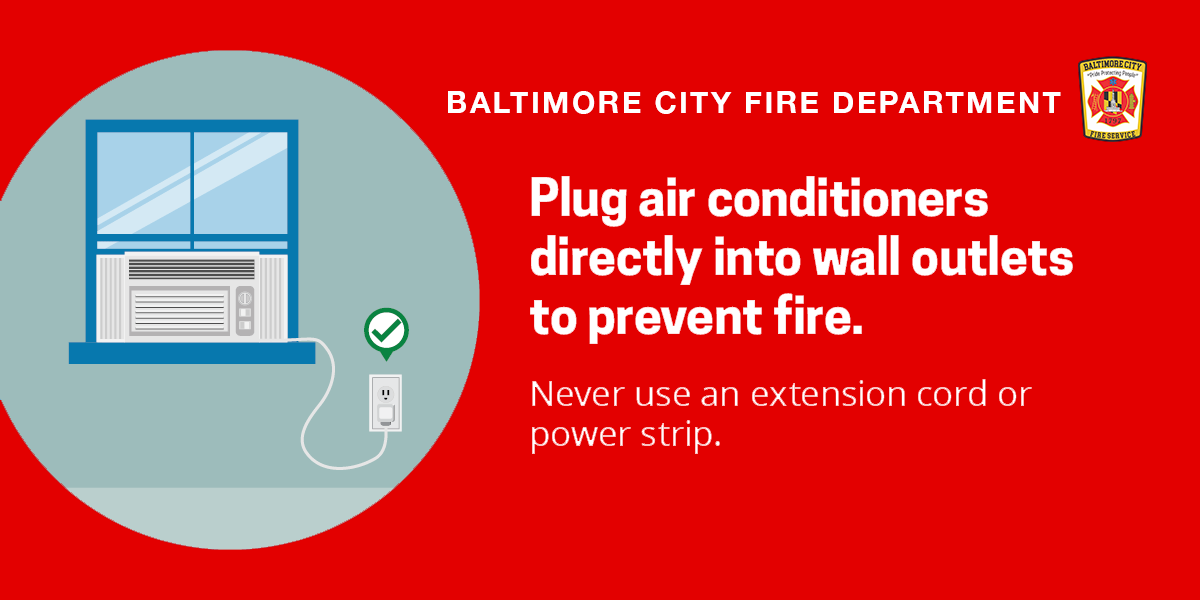
Credit: twitter.com
Potential Hazards Associated With Air Conditioner Fires
Air conditioners may catch fire due to obstruction in airflow, leading to back-drafting and system imbalance, potentially causing a fire. Additionally, leaking refrigerant, a flammable gas, can ignite near a heat source, posing a fire hazard. It’s crucial to avoid covering AC units for safety reasons.
Toxic Smoke
Air conditioner fires can produce toxic smoke that contains harmful chemicals, posing serious health risks.
Risk Of Explosion
Explosion is a potential hazard of air conditioner fires due to the flammable nature of refrigerant gases.
Damage To Property
- Air conditioner fires can cause extensive damage to properties, leading to costly repairs.
- Flammable materials near the unit can increase the risk of fire and property damage.
Safety Measures And Precautions
To prevent an air conditioner fire, regularly clean and maintain it, keeping it free of dust and debris that can obstruct airflow and cause back-drafting, leading to potential fire hazards. Avoid covering AC units, as it may create a fire hazard, and seek professional help if you notice smoke or foul smells from the vents.
Regular Maintenance And Inspection
Regular maintenance and inspection of the air conditioning unit are vital in preventing potential fire hazards. Professional maintenance should be scheduled at least once a year to ensure cleaning of components and identifying any potential issues. Routine inspection can detect dirt, dust, or debris that may obstruct airflow and lead to a fire.
Proper Installation
Proper installation of the air conditioning unit is crucial to minimize the risk of fire. Ensuring that the unit is installed by a certified technician following manufacturer guidelines and local building codes is essential. Correct installation reduces the chances of electrical malfunctions and improper connections that may lead to a fire hazard.
Avoidance Of Flammable Materials
Avoidance of flammable materials around the air conditioning unit is necessary to prevent potential fire accidents. All flammable items should be kept at a safe distance from the unit to eliminate the risk of ignition from nearby heat sources.
Regularly monitor the air conditioning unit for any unusual smells or smoke. If unusual odors or smoke are detected from the vents, the unit should be turned off immediately, and a professional HVAC technician contacted for inspection and repairs.
The Importance Of Professional Maintenance
Proper maintenance of your air conditioner is crucial for preventing potential fire hazards. Regular professional maintenance ensures the safe and efficient operation of your AC system, reducing the risk of fires.
Frequency Of Maintenance
- Regular maintenance should be conducted at least twice a year to keep the system running smoothly.
- Seasonal inspections before summer and winter are essential to identify and address any issues in advance.
Professional Inspection Checklist
During a professional maintenance service, an HVAC technician should perform a comprehensive inspection using a detailed checklist:
| Inspection Checklist |
|---|
| 1. Check for leaks in the refrigerant lines. |
| 2. Inspect and clean the condenser and evaporator coils. |
| 3. Ensure proper airflow by cleaning or replacing air filters as needed. |
| 4. Verify the electrical connections for any signs of wear or damage. |
| 5. Test thermostat settings for accuracy and calibration. |
| 6. Lubricate moving parts to reduce friction and wear. |
Tips For Fire Prevention
An air conditioner fire can be a potentially dangerous situation, but with the right preventive measures, it can be avoided. Here are some essential tips to prevent air conditioner fires:
Cleaning And Replacing Air Filters Regularly
One of the primary causes of air conditioner fires is the accumulation of dirt and debris in the air filters. It is crucial to clean and replace air filters regularly to ensure proper airflow and prevent overheating. Clogged filters can lead to back-drafting of air, resulting in an imbalance and potential fire hazard.
Keeping The Surrounding Area Clean
Ensure that the area around the air conditioner unit is clean and free from flammable materials. Regularly clear away leaves, grass, and other debris that can accumulate around the unit, as they can pose a fire hazard, especially during hot and dry weather.
Proper Ventilation
Check that the air conditioner unit is adequately ventilated to prevent overheating. Ensure that the unit has enough space around it for proper airflow, and any obstructions are removed to avoid potential fire risks.
Avoiding Diy Repairs
Avoid attempting DIY repairs on your air conditioner if you are not a trained professional. Improper repairs or maintenance can lead to electrical faults or other issues that can pose a fire risk. It’s essential to have a qualified technician inspect and maintain your air conditioner regularly to ensure its safety.
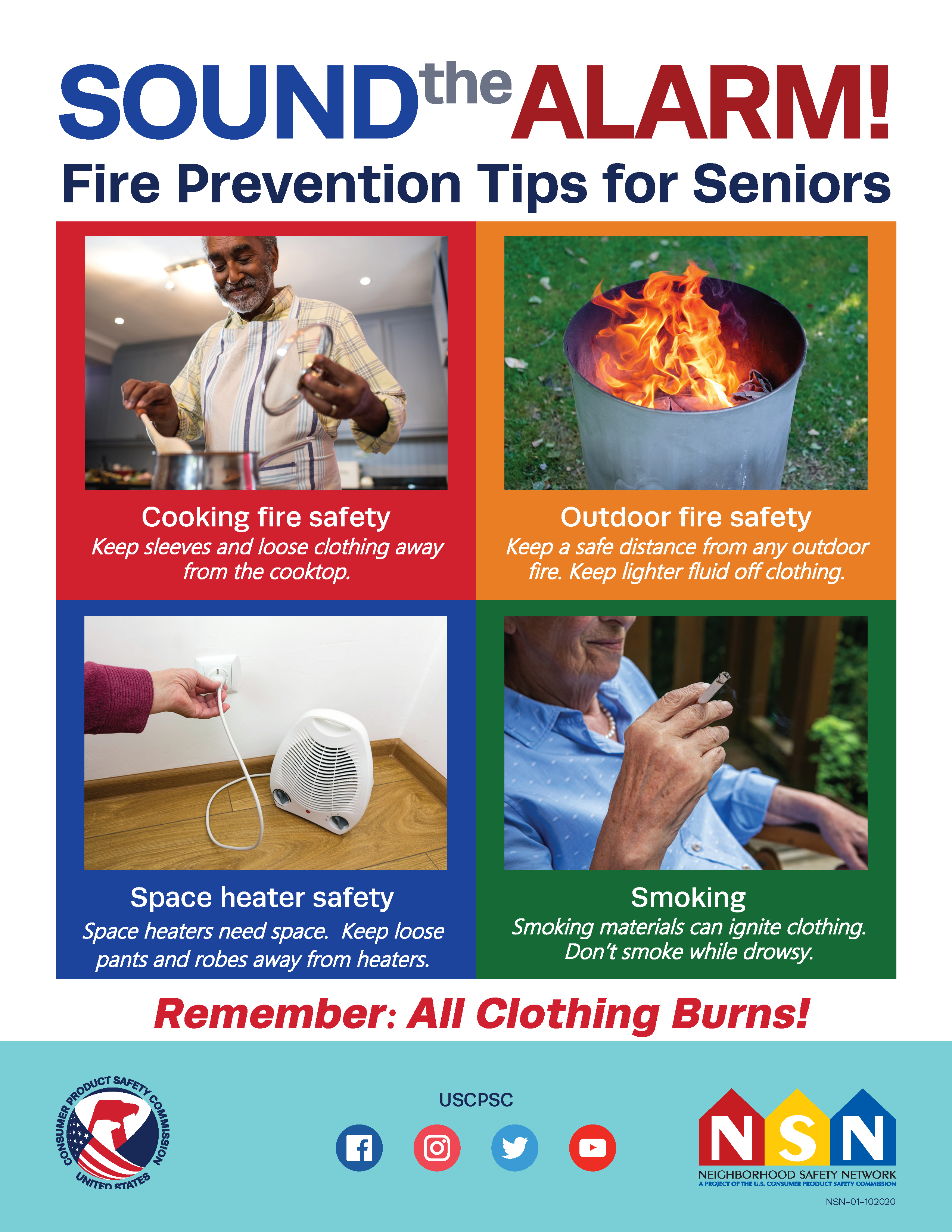
Credit: www.cpsc.gov
What To Do In Case Of An Air Conditioner Fire
An air conditioner fire can be a frightening experience, but knowing what to do in such a situation can help save lives and minimize damage. Taking immediate actions, calling emergency services, and following proper evacuation and safety protocols are essential. Here’s a guide on what to do in case of an air conditioner fire.
Immediate Actions To Take
If you notice an air conditioner fire, it’s crucial to act quickly and minimize the risk of further harm. Follow these immediate actions:
- Stay calm and try to remain composed. Panic can cloud judgment and hinder effective decision-making.
- Alert everyone in the vicinity of the fire. Shout “Fire!” to ensure people are aware of the danger.
- Turn off the power supply to the air conditioner. Locate the circuit breaker or electrical panel and switch off the corresponding circuit.
- Use a fire extinguisher, if available, to try and extinguish the flames. Remember to aim at the base of the fire and maintain a safe distance.
- If the fire continues to spread rapidly or cannot be extinguished, prioritize your safety and evacuate the area immediately.
Calling Emergency Services
Once you have taken immediate actions, the next step is to call emergency services. Contacting the proper authorities ensures professional help and assistance in extinguishing the fire. Follow these steps when calling emergency services:
- Dial the emergency hotline for fire emergencies.
- Clearly state your location, including the address and any landmarks that can help responders locate the scene quickly.
- Describe the situation concisely and provide details about the air conditioner fire, such as the size of the fire and any potential hazards nearby.
- Follow any instructions given by the emergency operator and remain on the line until the call is concluded.
Evacuation And Safety Protocols
Evacuation and safety protocols are crucial to protect both lives and property during an air conditioner fire. Keep the following guidelines in mind:
- Ensure everyone in the affected area, including yourself, is aware of the fire and the need to evacuate immediately.
- Direct people toward the nearest exit and instruct them to leave the premises in an orderly manner. Avoid using elevators and guide individuals to use the stairs instead.
- If dense smoke is present, it is advisable to stay low and crawl towards safety. Smoke rises, and staying low helps reduce smoke inhalation.
- Designate a safe meeting point away from the building to account for all individuals and prevent anyone from re-entering the danger zone.
- Follow safety instructions from emergency responders and adhere to their directions. They are trained to handle fire emergencies and can provide necessary guidance.
Remember, in the event of an air conditioner fire, the safety of yourself and others should be the top priority. By taking immediate actions, calling emergency services promptly, and following evacuation and safety protocols, you can help ensure a swift and safe response to an air conditioner fire.
Frequently Asked Questions Of Air Conditioner Fire
What Would Cause An Ac To Catch Fire?
Dirt, dust, and debris can cause an AC to catch fire by obstructing airflow, leading to back-drafting and imbalance in the system.
Can Gas Leak From Ac Cause Fire?
Gas leak from AC can cause a fire due to the highly flammable refrigerant used. Leaking refrigerant near heat sources may ignite, leading to explosions and serious damage.
Is Covering An Air Conditioner A Fire Hazard?
Covering an air conditioner can be a fire hazard. Major manufacturers do not recommend covers for air conditioners, and covering heat pumps can create a fire hazard. Additionally, obstructions like dirt and debris can cause a fire if they block the air flow through the unit.
It’s important to properly maintain and clean your air conditioner to prevent fire risks.
What To Do If Smoke Comes From Ac?
If smoke comes from your AC, turn it off immediately. The smoke may be toxic, and it’s best to have a trained HVAC technician diagnose and repair the problem. In some cases, replacing the old air conditioner may be the best solution.
Conclusion
Protecting your home from an air conditioner fire is crucial. Regular maintenance and proper care can prevent potential hazards. It’s essential to be aware of the causes to avoid any risks. Stay safe and cool by ensuring your AC unit is in optimal condition.