An RV air conditioner with a heat pump provides both cooling and heating functions for comfortable temperatures in your RV. It is an all-in-one unit that can efficiently cool or heat the interior of your recreational vehicle, ensuring a comfortable environment regardless of the outside temperature.
With a combination of an air conditioner and a heat pump, you can enjoy cool air during hot summer days and warm air during chilly nights in your RV. This dual-functionality makes the RV air conditioner with a heat pump a versatile and convenient option for climate control in your recreational vehicle.

Credit: www.sylvane.com
What Is An Rv Air Conditioner With Heat Pump?
What is an RV air conditioner with heat pump?
An RV air conditioner with a heat pump is a versatile climate control system specially designed for recreational vehicles. Combining the cooling functions of a standard RV air conditioner with the heating capabilities of a heat pump, this all-in-one unit ensures a comfortable environment inside your RV regardless of the outside temperature.
Introduction To Rv Air Conditioner With Heat Pump
Keeping your RV comfortable during all seasons is essential for an enjoyable travel experience. An RV air conditioner with heat pump is a cost-effective and efficient solution for maintaining an optimal indoor climate. Consisting of a single unit, it provides both cooling and heating functions, eliminating the need for separate systems.
How Does An Rv Air Conditioner With Heat Pump Work?
The operation of an RV air conditioner with a heat pump is straightforward. When cooling is required, the unit functions like a typical air conditioner, cooling the air and removing humidity. Conversely, when heating is needed, the heat pump extracts heat from the outside air and transfers it inside, warming the RV interior. This dual functionality makes it an ideal all-weather climate control solution for RV owners.
Benefits Of Using An Rv Air Conditioner With Heat Pump
- Versatility: Provides both cooling and heating functions in a single unit, ensuring comfort in varying weather conditions.
- Space-efficient: Eliminates the need for separate cooling and heating systems, optimizing space inside the RV.
- Cost-effective: Saves money by offering dual functionality without the expense of separate installations.
- Energy-efficient: Many models are designed to operate efficiently, reducing energy consumption and minimizing environmental impact.
- Convenience: Simplifies the climate control system of the RV, making it easier to operate and maintain.
Can An Rv Air Conditioner With Heat Pump Work In Cold Weather?
An RV air conditioner with a heat pump can work in cold weather, providing both heating and cooling. However, the effectiveness of the heat pump decreases as the temperature drops. It’s important to consider the temperature range in which the heat pump will be used to ensure efficiency.
Understanding The Effectiveness Of Heat Pumps In Cold Weather
An RV air conditioner with a heat pump can certainly provide heating during cold weather; however, it’s important to understand its limitations and how it operates in freezing temperatures.
A heat pump works by extracting heat from the outside air and transferring it into the RV to provide warmth. The pump then reverses the process during hot weather to cool the interior. This makes it a versatile option for maintaining a comfortable temperature in your RV year-round.
Heat pumps are most effective in mild to moderate winter conditions, where the outside temperature doesn’t drop below freezing. In these conditions, the heat pump can efficiently extract heat from the air and provide adequate warmth inside the RV.
Limitations Of Rv Air Conditioner With Heat Pump In Freezing Temperatures
However, when the temperature drops below freezing, the effectiveness of an RV air conditioner with a heat pump is reduced. As the outside air becomes colder, there is less heat available to extract. Consequently, the heat pump may struggle to provide sufficient warmth inside the RV.
In freezing temperatures, the heat pump may even enter a defrost cycle to remove ice build-up on the outdoor unit. During this cycle, the heat pump switches to cooling mode temporarily, which can cause a temporary decrease in heating performance.
It’s crucial to note that while an RV air conditioner with a heat pump can provide some level of heating in freezing temperatures, it may not be enough to keep the interior consistently warm during extreme cold snaps.
Tips For Using An Rv Air Conditioner With Heat Pump In Cold Weather
If you plan to use your RV air conditioner with a heat pump during cold weather, consider the following tips to optimize its performance:
- Ensure your RV is well-insulated to minimize heat loss and maintain a comfortable temperature inside.
- Use additional heating methods, such as a portable electric heater or propane furnace, to supplement the heat pump and provide extra warmth when needed.
- Keep the RV well-ventilated to prevent moisture buildup, which can lead to condensation and related issues in cold weather.
- Monitor the weather forecast and plan accordingly. If extreme cold temperatures are expected, it’s advisable to seek alternative heating options or choose RV campgrounds with electric hook-ups.
- Maintain regular maintenance and servicing of your RV air conditioner with a heat pump to ensure optimal performance and efficiency.
By following these tips and understanding the limitations of an RV air conditioner with a heat pump in freezing temperatures, you can make the most of your RV’s heating capabilities during cold weather camping trips.
Differences Between An Rv Air Conditioner With Heat Pump And A Regular Air Conditioner
An RV air conditioner with a heat pump and a regular air conditioner are both designed to provide comfort in your RV, but they differ in functionality and features. Understanding the differences can help you make an informed decision when choosing the right air conditioning unit for your RV.
Introduction To Regular Air Conditioners For Rvs
Regular air conditioners for RVs, also known as rooftop air conditioners, are designed to cool the interior of the RV by drawing in warm air, removing the heat, and recirculating cooler air. These units typically operate solely on the principle of cooling and do not provide heating capabilities.
Comparison Of Features Between Rv Air Conditioner With Heat Pump And Regular Air Conditioner
When comparing an RV air conditioner with a heat pump to a regular air conditioner, several distinctions become evident. The key differentiating factor is the heat pump feature, which allows the RV air conditioner with a heat pump to both cool and heat the interior of the RV. This dual functionality provides added versatility, especially for travel during colder seasons.
Another significant difference is the energy efficiency. RV air conditioners with heat pumps are often more energy-efficient compared to regular air conditioners, as they can effectively transfer heat from the outside to the inside during colder weather, reducing the need for additional heating sources.
In terms of installation and space considerations, both types of units typically require similar installation processes. However, an RV air conditioner with a heat pump offers the advantage of year-round usability without the need for separate heaters.
Choosing The Right Type Of Air Conditioner For Your Rv
When selecting an air conditioning unit for your RV, it’s important to consider your specific travel needs and climate preferences. If you frequently embark on adventures in varying weather conditions or prefer a more versatile and energy-efficient option, an RV air conditioner with a heat pump could be the ideal choice. On the other hand, if you primarily travel in warmer climates and prefer a simpler cooling solution, a regular air conditioner may suffice.
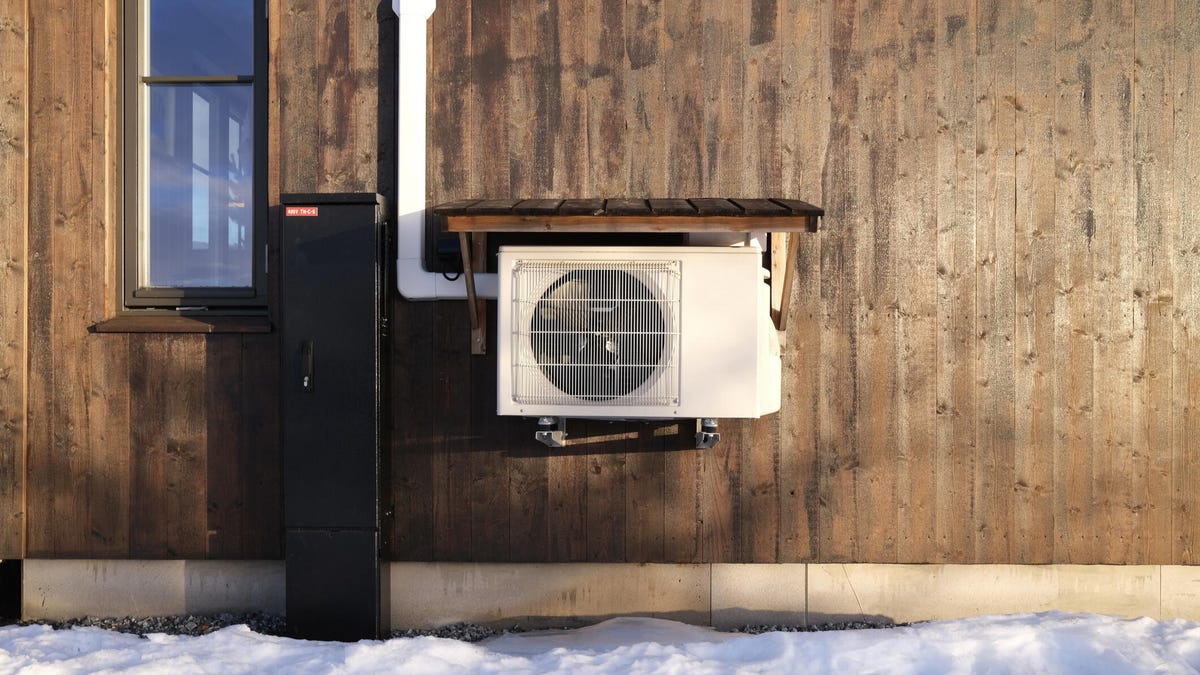
Credit: www.cnet.com
Types Of Rv Air Conditioning Units
Types of RV Air Conditioning Units:
Overview Of Rooftop Air Conditioners For Rvs
Rooftop air conditioners are a common choice for RV owners looking to efficiently cool their vehicles. These units are mounted on the roof, providing consistent airflow throughout the RV.
Pros And Cons Of Rooftop Air Conditioners
- Pros: Effective cooling, space-saving, energy-efficient.
- Cons: Can be noisy, require professional installation, limited mobility.
Introduction To Portable Air Conditioners For Rvs
Portable air conditioners are versatile and can be moved from room to room in the RV. They offer flexibility in cooling specific areas based on your needs.
Pros And Cons Of Portable Air Conditioners
- Pros: Easy to install, flexible mobility, cost-effective.
- Cons: Less efficient than rooftop units, may take up floor space, may require venting.
Choosing The Right Type Of Air Conditioning Unit For Your Rv
When selecting an air conditioning unit for your RV, consider factors like size, efficiency, installation requirements, and budget to ensure you choose the best option for your needs.
“` This HTML content is structured to provide a concise and SEO-friendly overview of the types of RV air conditioning units, focusing on rooftop and portable air conditioners. The use of H3 headings adheres to HTML syntax, aiding in better organization and readability for the reader. Each section offers valuable information on the respective types of RV air conditioning units, highlighting their pros and cons to help readers make an informed decision.Factors To Consider When Buying An Rv Air Conditioner With Heat Pump
When buying an RV air conditioner with a heat pump, factors to consider include the BTU capacity, energy efficiency, noise level, size compatibility, and cost. It’s important to choose a unit that meets your specific needs and preferences for comfortable RV living.
Btu Rating And Cooling Capacity
When looking for an RV air conditioner with a heat pump, one of the first factors to consider is the BTU rating and cooling capacity. The BTU rating indicates the cooling power of the air conditioner, and it determines how effectively it can cool the interior of your RV.
It’s important to choose an air conditioner with a BTU rating that matches the size of your RV. A higher BTU rating means more cooling power, which is ideal for larger RVs or those located in hot climates. On the other hand, a lower BTU rating might be sufficient for smaller RVs or those in cooler regions.
Power Consumption And Energy Efficiency
Another crucial factor to consider is the power consumption and energy efficiency of the RV air conditioner with a heat pump. Since you’ll be using the air conditioner frequently during your RV trips, it’s essential to choose an energy-efficient model to minimize the strain on your RV’s electrical system.
An energy-efficient air conditioner not only helps save on electricity bills but also ensures that your RV’s electrical system can handle the load. Look for air conditioners with a high SEER (Seasonal Energy Efficiency Ratio) rating, which signifies better energy efficiency.
Compatibility With Rv Electrical System
The compatibility of the air conditioner with your RV’s electrical system is another crucial consideration. Before making a purchase, check the voltage and amperage requirements of the air conditioner and compare them with the electrical system of your RV.
Ensure that the air conditioner’s power requirements are within the capabilities of your RV’s electrical system. If the air conditioner requires higher voltage or amperage than what your RV supports, you might need to upgrade your electrical system or consider a different model.
Installation Requirements And Ease Of Installation
Consider the installation requirements and ease of installation when choosing an RV air conditioner with a heat pump. Some air conditioners may require professional installation, while others offer a DIY option.
Check if the air conditioner comes with clear installation instructions and if it includes all the necessary hardware. Additionally, consider the weight and dimensions of the unit to ensure it can be easily installed in your RV without excessive modifications.
Noise Level And Vibration
The noise level and vibration produced by the RV air conditioner with a heat pump can impact your comfort inside the RV. Look for air conditioners that are specifically designed to operate quietly and minimize vibration.
Consider reading customer reviews and technical specifications to get an idea of the noise level and vibration produced by the air conditioner. A quieter air conditioner will allow you to sleep peacefully at night and enjoy a calm atmosphere inside your RV.
Additional Features And Functions
Lastly, consider the additional features and functions offered by the RV air conditioner with a heat pump. These features can enhance your comfort and convenience during your RV adventures.
Some popular additional features include remote control operation, programmable timers, adjustable fan speeds, and built-in air purifiers. Prioritize the features that are important to you and choose an air conditioner that offers the right combination of functionality.
Top Brands And Models Of Rv Air Conditioners With Heat Pump
Rv air conditioners with heat pumps are a crucial investment for any recreational vehicle owner, especially for those traveling to warm or cold climates. Choosing the right model from the top brands can greatly enhance the comfort of your RV experience.
Overview Of Popular Brands In The Market
When it comes to Rv air conditioners with heat pumps, Dometic, Coleman, and Atwood are the leading brands in the market. Each brand offers a range of models with different features and capacities, catering to various RV sizes and owner preferences. Dometic’s Penguin II series, Coleman’s Mach 8 series, and Atwood’s Air Command series are highly regarded for their reliability and efficiency.
Comparison Of Features And Prices Of Top Models
Examining the features and prices of the top RV air conditioner models can help buyers make an informed decision. Here is a comparison table highlighting some of the top models, their features, and prices:
| Brand | Model | Features | Price |
|---|---|---|---|
| Dometic | Penguin II Low Profile | Heat pump, low profile design | $1,149.95 |
| Coleman | Mach 8 Plus | Quiet operation, high cooling capacity | $1,385.40 |
| Atwood | Air Command | Energy-efficient, easy installation | $976.96 |
Customer Reviews And Ratings
- Dometic Penguin II Low Profile – With a 4.8-star rating on RV Products Shop, customers praise its quiet operation and efficient heating.
- Coleman Mach 8 Plus – Rated 4.5 stars on Amazon, customers appreciate its high cooling capacity and durability.
- Atwood Air Command – Achieving a 4.6-star rating on Wayfair, users highlight its energy efficiency and easy installation process.
Installation And Maintenance Of Rv Air Conditioner With Heat Pump
Looking for installation and maintenance services for your RV air conditioner with a heat pump? Find affordable options in Austin, Texas, and enjoy a comfortable journey in your RV.
Pre-installation Considerations And Preparations
Before installing an RV air conditioner with a heat pump, there are a few important considerations and preparations to keep in mind. These steps ensure a successful and efficient installation process.
- Choose the right air conditioner: Select an RV air conditioner with a heat pump that is compatible with your RV’s electrical system and size.
- Measure the available space: Determine the dimensions of the air conditioner and ensure that your RV’s roof has enough space to accommodate it.
- Check the power supply: Make sure your RV’s electrical system can handle the power requirements of the air conditioner.
- Prepare the necessary tools: Gather all the tools required for the installation, such as a drill, screwdriver, caulking gun, and ladder.
- Clear the installation area: Remove any debris or obstacles from the roof of your RV to provide a clean and stable surface for the installation.
Step-by-step Installation Guide
Follow these step-by-step instructions to properly install an RV air conditioner with a heat pump:
- Choose the installation location: Select the ideal spot on the roof of your RV for the air conditioner. Ensure it is centrally positioned for optimal airflow throughout the RV.
- Prepare the roof: Clean the area thoroughly and remove any dirt or debris. Apply a layer of sealant around the installation site to prevent water leaks.
- Mount the air conditioner: Carefully lift the air conditioner onto the roof and position it in the chosen location. Secure it in place using the mounting brackets provided.
- Connect the electrical wiring: Follow the manufacturer’s instructions to connect the air conditioner to the RV’s electrical system. Ensure all connections are secure and well-insulated.
- Test the system: Turn on the air conditioner and heat pump to check if they are functioning properly. Adjust the temperature settings according to your preference.
- Seal the installation: Apply additional sealant around the edges of the air conditioner to create a watertight seal. This will protect your RV from water damage.
Regular Maintenance And Troubleshooting Tips
Proper maintenance is crucial to ensure the longevity and efficient performance of your RV air conditioner with a heat pump. Here are some tips to keep in mind:
- Clean the filters regularly: Remove and clean the air filters at least once a month to prevent dirt and dust buildup. This will improve airflow and maintain a clean indoor environment.
- Inspect the vents and ducts: Check for any obstructions or signs of damage in the vents and ducts. Clear away any debris and repair or replace damaged components.
- Check the condenser coils: Regularly inspect and clean the condenser coils to remove dirt and debris. This will optimize cooling and heating efficiency.
- Inspect the wiring and connections: Periodically check the electrical wiring and connections to ensure they are secure and free from damage.
- Address any leaks promptly: If you notice any water leaks inside your RV, locate the source and repair it immediately to prevent further damage.
- Consult the manufacturer’s manual: Refer to the manufacturer’s manual for specific maintenance instructions and troubleshooting tips.
By following these pre-installation considerations, step-by-step installation guide, and regular maintenance tips, you can enjoy the comfort and efficiency of your RV air conditioner with a heat pump for years to come.

Credit: www.amazon.com
Tips For Maximizing The Performance Of Your Rv Air Conditioner With Heat Pump
Enhance your RV air conditioner with heat pump performance by regular cleaning, ensuring proper insulation, and utilizing shade when parked. Opt for scheduled maintenance and consider upgrading to a more energy-efficient unit for optimal cooling and heating in your RV.
Proper Temperature And Thermostat Settings
- Set your thermostat between 72-78°F for optimal cooling efficiency.
- Adjust settings based on outdoor temperature to prevent overworking the unit.
Effective Use Of Insulation And Ventilation
- Ensure windows and doors are properly sealed to prevent air leaks.
- Use shades or blinds to block out direct sunlight and reduce heat gain.
Utilizing Other Cooling Methods In Conjunction With The Air Conditioner
- Use fans to circulate cool air throughout the RV and enhance the cooling effect.
- Consider parking in shaded areas or using awnings to reduce direct sun exposure.
Regular Cleaning And Maintenance
- Clean or replace air filters regularly to maintain airflow and efficiency.
- Inspect and clean the condenser coils to prevent debris buildup and optimize cooling.
Professional Servicing And Upgrades
- Schedule annual maintenance checks with a professional to ensure optimal performance.
- Consider upgrading to a more energy-efficient model for cost-saving benefits in the long run.
Frequently Asked Questions For Rv Air Conditioner With Heat Pump
What Is Rv Ac With Heat Pump?
An RV AC with a heat pump provides both cooling and heating functions, suitable for all weather.
Do Rv Heat Pumps Work In Cold Weather?
Yes, RV heat pumps can work in cold weather, but they may become less effective as the temperature drops.
Can You Have A Heat Pump And Air Conditioner?
Yes, you can have a heat pump and air conditioner together for dual heating and cooling functions utilizing an air handler.
Do Rvs Have Heat And Ac?
RVs typically come equipped with both heating and air conditioning systems. These systems are designed to provide comfort in various weather conditions.
Conclusion
Upgrade your RV with an efficient air conditioner and heat pump system. Experience comfort all year round at competitive prices. Get yours today from top retailers with convenient shipping options. Embrace the convenience and luxury of a well-equipped RV air conditioner with a heat pump.