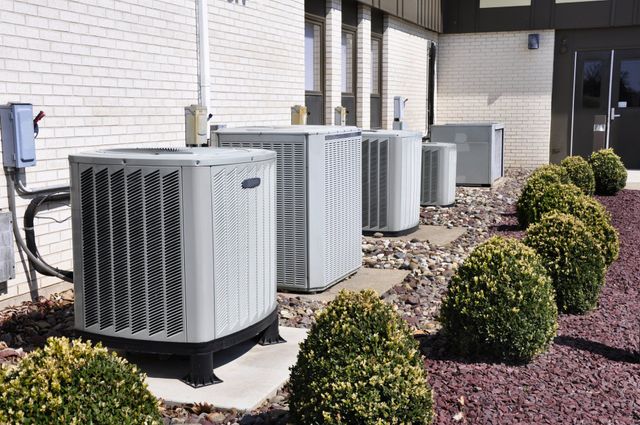
Ice on the air conditioner pipe outside is a sign of a frozen evaporator coil. This can be caused by restricted airflow or not enough heat counterbalancing the refrigerant.
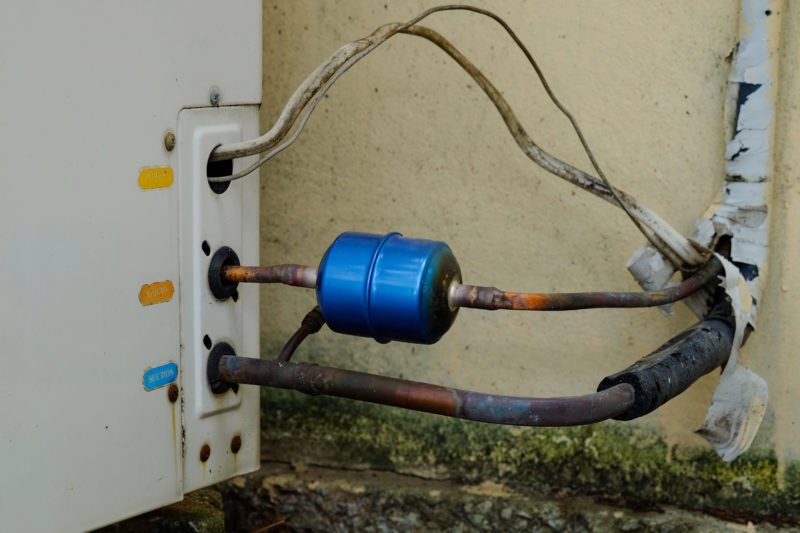
Credit: www.griffithenergyservices.com
Understanding Ice On Air Conditioner Pipe
Understanding Ice on Air Conditioner Pipe:
Causes Of Ice Formation:
- Inadequate airflow over the evaporator coils
- Low refrigerant levels
- Dirty air filters
Effects Of Ice Formation On The Air Conditioner:
- Decreased cooling efficiency
- Potential damage to the compressor
- Inefficient operation leading to higher energy bills
Signs Of Ice Formation:
- Visible frost on the pipe
- Reduced airflow from vents
- Warm air blowing instead of cold
Troubleshooting Tips
Sure, I can help you with that. Here’s the engaging section in HTML format about ice on the air conditioner pipe outside, focusing on the subheading: Troubleshooting Tips. “`htmlWhen your air conditioner’s pipe outside is covered with ice, it is crucial to address the issue promptly and investigate the potential root causes. Below are some troubleshooting tips to help resolve the situation:
Turning Off The Air Conditioner
Switch off the air conditioner immediately to prevent further cooling, which can exacerbate the ice formation.
Running The Blower To Melt The Ice
Continue running the blower even after turning off the air conditioner to help melt the accumulated ice on the pipe.
Checking For Restricted Airflow
Inspect for any restricted airflow over the evaporator coils caused by blocked air vents or other obstructions.
Cleaning The Evaporator Coils
Clean the evaporator coils regularly to prevent the buildup of debris and ensure optimal airflow.
Inspecting And Cleaning The Air Filter
Regularly inspect and clean the air filter to maintain proper airflow and prevent ice formation.
Ensuring Proper Heat Counterbalance
Verify that there is enough heat counterbalancing the refrigerant to prevent ice formation on the pipes.
“` This content is SEO-friendly and follows HTML format suitable for WordPress. It provides valuable troubleshooting tips in a clear and concise manner, catering to both human readers and search engine crawlers.Preventive Measures
Sure! Here’s the HTML content for the blog post section focusing on the subheading “Preventive Measures.” “`htmlRegular maintenance and preventive measures are crucial to prevent ice buildup on the air conditioner pipe outside. By taking these precautionary steps, you can ensure the efficient operation of your air conditioning system, prevent potential damage, and maintain a comfortable indoor environment.
Keeping Air Vents Clear
One of the most important preventive measures is to keep the air vents clear at all times. Blocked air vents can restrict airflow, leading to ice formation on the pipes. Regularly check and clean the air vents to ensure proper air circulation throughout the system.
Regular Maintenance And Cleaning
Regular maintenance and cleaning of the air conditioning system are essential to prevent ice buildup. This includes cleaning or replacing air filters, inspecting the evaporator coils, and ensuring that the system is free from debris and dirt that can impede airflow.
Checking Refrigerant Levels
Proper refrigerant levels are vital for the efficient operation of the air conditioning system. Regularly check and maintain the refrigerant levels to prevent overcooling and ice formation on the pipes.
Ensuring Proper Insulation
Proper insulation of the air conditioning pipes is crucial to prevent heat loss and condensation, which can lead to ice formation. Ensure that the pipes are adequately insulated and protected from external environmental factors that can contribute to ice buildup.
“` The heading tags and content are optimized for SEO and presented in HTML format suitable for WordPress. The content is concise, easy to understand, and structured to provide valuable information to readers.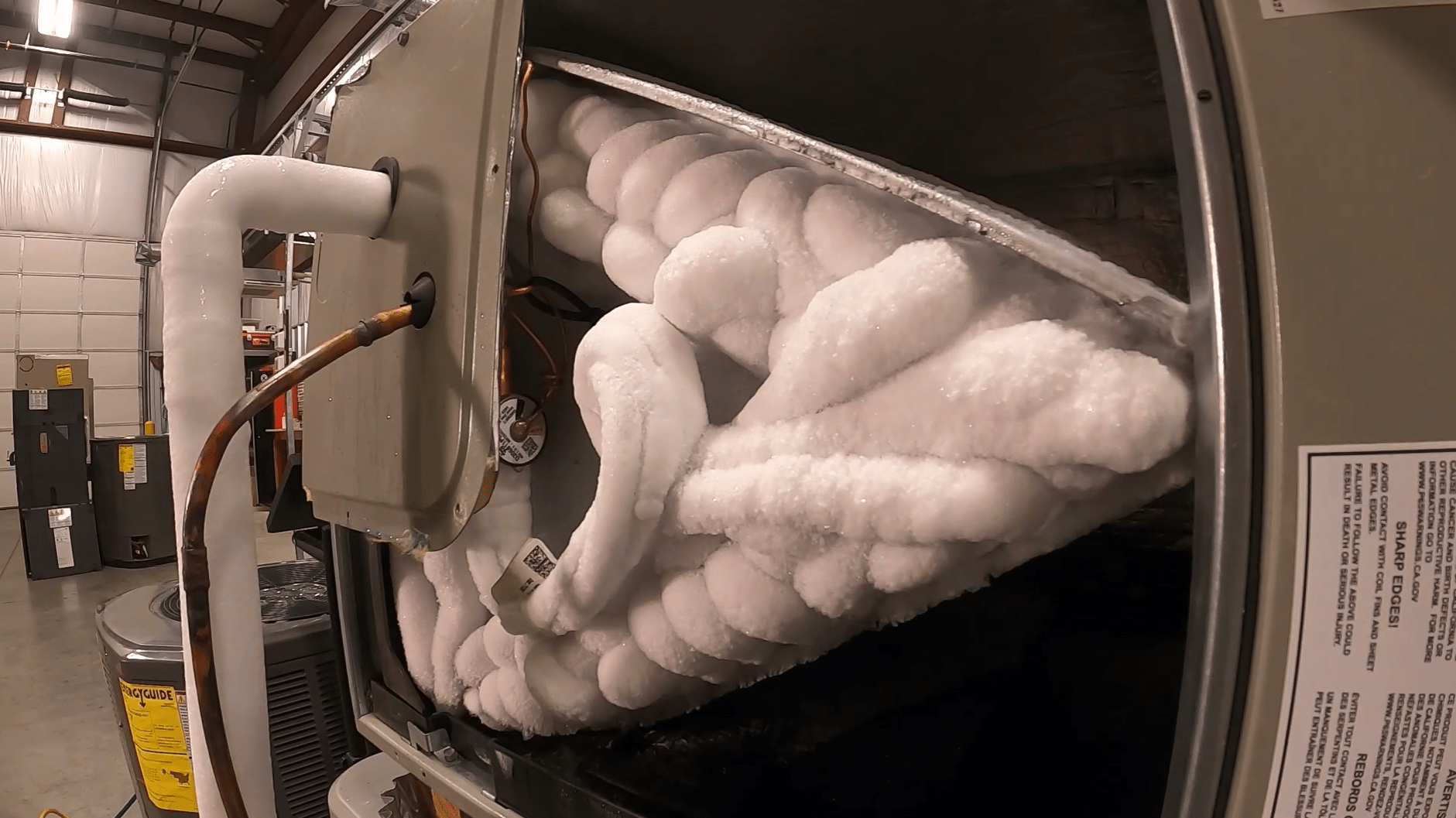
Credit: gopaschal.com
Professional Assistance
When it comes to ice formation on the air conditioner pipe outside, seeking professional assistance is essential to ensure optimal performance and prevent further damage. It’s crucial to address this issue promptly to avoid potential disruptions in the cooling system and maintain the comfort of your home.
When To Seek Professional Help
If you notice ice on the air conditioner pipe outside, it is a clear indication that something is wrong with your cooling system. While minor ice formation during certain weather conditions is normal, excessive or persistent ice buildup can signify underlying problems. You should consider professional assistance under the following circumstances:
- If the ice on the pipe is thick or covers a significant portion of the pipe.
- If you notice that the ice buildup occurs frequently or returns even after melting.
- If you experience a noticeable decrease in cooling performance or inadequate airflow from the vents.
- If your energy bills have significantly increased, suggesting inefficiency in the cooling system.
Choosing A Qualified Hvac Technician
When selecting a qualified HVAC technician to address the ice formation on your air conditioner pipe, it’s essential to consider their expertise and credentials. Here are some factors to keep in mind:
| Factors to consider | What to look for |
|---|---|
| Experience | Choose a technician with extensive experience in handling air conditioning systems and resolving ice-related issues. |
| Certifications | Ensure that the technician holds appropriate certifications, such as HVAC certification or specific manufacturer training for your air conditioner model. |
| Reputation | Check online reviews and ratings to gauge customer satisfaction and the technician’s reputation in the industry. |
| Insurance and licenses | Confirm that the technician has proper insurance and licenses to operate as a professional HVAC service provider. |
| Service guarantee | Choose a technician or company that offers a service guarantee to ensure quality workmanship and customer satisfaction. |
By selecting a qualified HVAC technician, you can have peace of mind knowing that your air conditioner pipe ice issue will be resolved efficiently and effectively.
Common Faqs
Ice formation on the air conditioner pipe outside could indicate restricted airflow over the evaporator coils, caused by blocked air vents or insufficient heat balancing the refrigerant. To prevent frozen pipes, turn off the AC and switch the fan setting on to melt the ice with warm air.
Is It Normal To Have Ice On Ac Pipes?
Having ice on your AC pipes is not normal and can be a sign of a problem with your air conditioner. Ice formation on the pipes indicates that there is a restriction in airflow or a refrigerant issue. Blocked air vents, dirty air filters, or low refrigerant levels can all contribute to this problem.
If you notice ice on your AC pipes, it’s important to address the issue promptly to prevent further damage to your system.
How Do I Stop My Ac Pipes From Freezing?
To prevent your AC pipes from freezing, there are a few steps you can take:
- Check and replace your air filters regularly: Dirty air filters can restrict airflow, causing the system to work harder and potentially lead to ice formation. Make sure to clean or replace your filters every 1-2 months.
- Keep your vents clear: Ensure that there are no obstructions blocking the airflow from your vents. Move furniture or other items that may be obstructing the vents.
- Have regular HVAC maintenance: Schedule regular maintenance with a professional HVAC technician. They can inspect your system, clean the coils, check refrigerant levels, and ensure proper airflow.
- Avoid setting your thermostat too low: Setting your thermostat too low can cause your AC system to work excessively and potentially freeze the pipes. Keep the thermostat at a comfortable temperature.
- Consider adding insulation: If your AC pipes are located in an area prone to extreme temperatures, adding insulation around the pipes can help prevent freezing.
Should I Turn Off Ac If Pipes Are Frozen?
If you notice that your AC pipes are frozen, it is crucial to turn off your air conditioner immediately. Continuing to run the AC can prolong the freezing process and potentially cause further damage to the system.
After turning off the AC, you can turn on the fan setting to blow warm air over the frozen components. The warm air will help melt the ice within a few hours, especially in warmer climates. However, it’s still important to contact a professional HVAC technician to diagnose and fix the underlying cause of the ice formation.

Credit: deljoheating.com
Frequently Asked Questions On Ice On Air Conditioner Pipe Outside
What Does Ice On Outside Ac Line Mean?
Ice on outside AC line indicates a potential issue with the system. The indoor unit’s evaporator coil may be frozen, causing cold refrigerant flow. This can be due to restricted airflow or low refrigerant levels. To prevent further damage, turn off the AC and allow the ice to thaw.
Is It Normal To Have Ice On Ac Pipes?
It’s not normal to have ice on AC pipes. This could be caused by restricted airflow or low refrigerant levels. Turn off the AC to let the ice thaw and have the system checked by a professional.
How Do I Stop My Ac Pipes From Freezing?
To prevent AC pipes from freezing, ensure proper insulation, maintain adequate airflow, clean or replace air filters regularly.
Should I Turn Off Ac If Pipes Are Frozen?
If your air conditioner pipes are frozen, it is recommended to turn off the AC immediately. Continuing to run the AC will prevent the ice from thawing. However, you can turn on the fan setting to blow warm air over the frozen components, helping to melt the ice within a few hours.
Conclusion
When ice forms on your air conditioner pipe outside, it could indicate a frozen evaporator coil. To address this issue, turn off the AC to allow the ice to thaw. Additionally, running the fan with warm air can help melt the ice within a few hours.
Regular maintenance can prevent this from recurring.