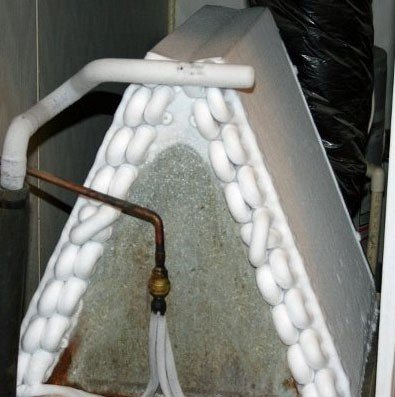
When the air conditioner line freezes, it is usually caused by a malfunctioning evaporator coil. This element is essential for the heating and cooling process, and when it doesn’t work properly, the AC lines freeze up.
This can lead to poor airflow and discomfort. To fix this issue, turn off the air conditioner immediately to prevent further damage, let the pipe thaw naturally by turning off the cooling mode, clean the air filters to ensure they are not clogged, and seek professional assistance if needed.
It typically takes anywhere from an hour to more than a day for the air conditioner line to completely defrost, so it’s essential to address the issue as soon as possible to minimize downtime.
Credit: bryantlincoln.com
Understanding Air Conditioner Line Freeze
Air conditioner line freezing can be caused by various factors, including:
- Inadequate airflow
- Lack of refrigerant
- Problems with the evaporator coil
When an air conditioner line freezes, it can lead to:
- Reduced cooling efficiency
- Possible compressor damage
- Increased energy consumption
To fix a frozen AC line, it’s essential to address the root cause and take necessary steps to prevent further damage.
Credit: www.nytimes.com
Steps To Thaw A Frozen Air Conditioner Line
To thaw a frozen air conditioner line, first turn off the air conditioner to prevent further damage. Then, switch to the fan-only mode or the system’s blower to thaw the pipe naturally. Additionally, check and clean the air filters to ensure they are not clogged.
Immediate Action To Take When Ac Line Is Frozen
If you notice that your air conditioner line is frozen, taking immediate action is essential to prevent further damage to your unit. One of the first steps you should take is to turn off the air conditioner immediately. This will prevent any additional damage and allow the line to thaw naturally. By turning off the cooling mode and running the fan-only mode or the system’s blower, you can accelerate the thawing process. This will help melt the ice that has formed inside the line.Thawing The Frozen Line Naturally
Thawing the frozen air conditioner line naturally is an effective and safe approach. After turning off the air conditioner, it is important to wait until the ice inside the line has melted completely. This can take anywhere from an hour to more than a day, depending on the severity of the freeze. It is crucial to allow the line to defrost naturally to avoid causing any damage to the system. Once the line has thawed, you can then proceed to check and clean the air filters.Checking And Cleaning Air Filters
Checking and cleaning the air filters of your air conditioning system is crucial to prevent future line freezes. Clogged or dirty air filters can restrict the airflow, leading to a drop in temperature and increased moisture in the system. This can contribute to the freezing of the air conditioner line. To ensure efficient airflow, it is important to regularly inspect the filters and clean or replace them as needed. By doing so, you can maintain optimal performance and reduce the risk of your air conditioner line freezing in the future. In conclusion, taking immediate action when your air conditioner line is frozen is essential to prevent further damage. Thawing the line naturally, followed by checking and cleaning the air filters, can help alleviate the issue and ensure the proper functioning of your air conditioning system. By following these steps, you can restore comfort to your home and avoid future line freezes.Root Causes Of Ac Line Freezing
One of the main culprits behind an air conditioner line freezing is a malfunctioning evaporator coil. This vital component regulates temperatures, and if it’s not functioning correctly, it can lead to poor airflow and discomfort, especially during the summer months.
To address this issue, it’s crucial to promptly turn off the AC to prevent further damage and allow the line to thaw naturally by adjusting the cooling settings. Regularly checking and cleaning air filters can also help prevent clogs that contribute to freezing.
Remember, catching this problem early is key to avoiding extensive damage and ensuring uninterrupted cool air circulation.
Malfunctioning Evaporator Coil As A Primary Cause
One of the primary reasons behind AC line freezing is a malfunctioning evaporator coil. The evaporator coil allows the refrigerant to absorb heat from the indoor air, leading to the cooling process. When the evaporator coil malfunctions, it hinders the proper heat transfer, resulting in the formation of ice on the AC lines. This issue not only affects the functionality of the air conditioner but also impacts the comfort level within the indoor space.
Impact Of Poor Airflow On Ac Line Freezing
Poor airflow can significantly contribute to the freezing of AC lines. When the airflow over the evaporator coils is restricted, it disrupts the heat absorption process, causing the refrigerant to freeze and accumulate on the AC lines. Additionally, inadequate airflow not only damages the air conditioning system but also leads to discomfort, especially during the summer months. Therefore, maintaining proper airflow is crucial in preventing AC line freezing.
Preventive Measures To Avoid Ac Line Freeze
Regular Maintenance Of Evaporator Coil
An essential preventive measure to avoid AC line freeze is regular maintenance of the evaporator coil. Over time, dirt, dust, and debris can accumulate on the coil, hindering its ability to absorb heat and causing the temperature to drop below freezing. Regular cleaning and maintenance of the evaporator coil can prevent this issue.
Ensuring Proper Airflow Around The Hvac System
Proper airflow around the HVAC system is crucial to prevent the AC line from freezing. Restricted airflow can lead to the buildup of cold air around the evaporator coil, causing the moisture in the air to freeze and obstruct the line. Regularly check for any obstructions or blockages around the system to ensure proper airflow.
Time Frame For Air Conditioner Line To Defrost
When dealing with a frozen air conditioner line, it’s crucial to turn off the unit immediately. To defrost the line, switch off the cooling mode and run the fan-only setting, but be prepared for it to take anywhere from an hour to over a day to fully thaw.
Regularly checking and cleaning air filters can prevent future freezing issues.
Duration For Ac Line Defrosting Process
The duration for an air conditioner line to defrost can vary depending on several factors. On average, it can take anywhere from an hour to more than a day for the AC line to completely unfreeze. It is crucial to catch the issue early and take immediate action to prevent further damage to your unit. Not only will this ensure that your AC is repaired in the shortest amount of time possible, but it will also save you from discomfort caused by the lack of cool air.Importance Of Early Detection Of Frozen Ac Line
Early detection of a frozen AC line is of utmost importance to prevent major damage and inconvenience. If left unchecked, a frozen AC line can lead to system failure and potentially expensive repairs. By addressing the issue as soon as it is detected, you can prevent further accumulation of ice and avoid potential damage to your air conditioner’s components. Taking early action to defrost the AC line can also save you from discomfort caused by lack of cooling during hot summer days. It is essential to regularly inspect your air conditioning system and look for signs of freezing, such as reduced airflow or ice accumulation on the lines. Utilizing preventative maintenance measures, such as cleaning or replacing air filters regularly, can help minimize the chances of your AC line freezing up. Remember, if you notice any signs of a frozen AC line, such as reduced cooling performance or unusual ice buildup, it is crucial to take immediate action. Turning off the air conditioner, allowing the line to thaw naturally, and checking and cleaning the air filters are the initial steps you can take to address the issue. If the problem persists, it is advisable to seek professional help to ensure the proper functioning of your air conditioning system. Overall, early detection and timely intervention are key to preventing a frozen AC line from causing significant damage and inconvenience. Stay vigilant and take prompt action to ensure the optimal performance and longevity of your air conditioning unit.Signs Of Ice Formation On Air Conditioner Pipes
Ice formation on air conditioner pipes, also known as a frozen AC line, can be caused by restricted airflow over the evaporator coils. This lack of warm air prevents the refrigerant from functioning properly, resulting in ice forming on the pipes.
To address this issue, it is important to turn off the air conditioner immediately, allow the pipe to thaw naturally, and check and clean the air filters to ensure they are not clogged.
Ice formation on air conditioner pipes can indicate potential issues within the HVAC system. It is crucial to identify these signs early to prevent further damage.
Effects Of Restricted Warm Airflow On Refrigerant
Restricted warm airflow reduces the system’s efficiency, causing the refrigerant to be unequally distributed. This can lead to inadequate cooling performance and increased energy consumption.
Consequences Of Insufficient Heat Balance In The System
Insufficient heat balance can result in the system working harder to maintain desired temperatures, leading to higher wear and tear, potential component failures, and reduced lifespan.
Effective Solutions For A Frozen Ac Line
Dealing with a frozen air conditioner line can be a frustrating experience, leading to inefficient cooling and potential damage to your AC unit. Luckily, there are effective solutions to address this issue promptly and prevent further complications.
Thawing Refrigerant Line As An Initial Fix
When faced with a frozen AC line, the first step is to thaw the refrigerant line to restore proper function. Follow these steps to initiate the thawing process:
- Turn off the air conditioner immediately to prevent further damage.
- Allow the pipe to thaw naturally by switching off the cooling mode and running the fan-only mode or the system’s blower.
- Check and clean the air filters to ensure they are not clogged, promoting better airflow.
Seeking Professional Help For Ac Line Issues
If the problem persists or if you are unsure about handling AC line issues on your own, it’s advisable to seek professional assistance. Professional technicians can diagnose the root cause of the frozen AC line and provide effective solutions to restore your air conditioner’s functionality.

Credit: www.amazon.com
Dealing With Low Refrigerant Levels And Frozen Ac Line
Dealing with Low Refrigerant Levels and Frozen AC Line
Identifying Causes Of Low Refrigerant Levels
Low refrigerant levels in an air conditioning system can lead to a host of issues, including a frozen AC line. Several factors can contribute to low refrigerant, including leaks in the system, improper initial installation, or manufacturing defects. Identifying the specific cause of low refrigerant is crucial in addressing the issue efficiently and effectively.
Addressing Energy Efficiency Concerns Due To Low Refrigerant
Low refrigerant not only causes the AC line to freeze but also affects the energy efficiency of the air conditioning system. When refrigerant levels are low, the system has to work harder to maintain the desired temperature, resulting in increased energy consumption. Addressing this concern is essential to prevent excessive energy expenses and ensure optimal system performance.
Frequently Asked Questions On Air Conditioner Line Frozen
How Do You Fix A Frozen Air Conditioner Line?
To fix a frozen air conditioner line, turn off the unit, switch to fan-only mode, and clean air filters. Thaw the frozen pipe naturally. Ensure proper airflow over the evaporator coil to prevent further freezing. Regular maintenance and cleaning can help prevent future freezing issues.
What Causes Ac Line Set To Freeze Up?
The main cause of a frozen AC line is often a malfunctioning evaporator coil, which disrupts the heating and cooling process. If the warm airflow over the evaporator coils is restricted, the refrigerant can’t balance itself, resulting in ice formation on the pipes.
Regular maintenance can prevent these issues.
How Long Does It Take For Air Conditioner Line To Unfreeze?
An air conditioner line can take anywhere from an hour to more than a day to unfreeze completely. It is crucial to address the issue early to prevent further damage and minimize the time without cool air. Follow these steps to thaw the pipe: Turn off the air conditioner, switch to fan-only mode or the system’s blower, and clean the air filters.
Why Is Ice Forming On My Air Conditioner Pipes?
Ice is forming on your air conditioner pipes due to restricted warm airflow over the evaporator coils. This prevents heat from balancing the cold refrigerant, leading to ice formation. Ensure adequate warm air flow to prevent this issue.
Conclusion
A frozen air conditioner line is often caused by a malfunctioning evaporator coil. This component plays a crucial role in the cooling process, and if it’s not working properly, temperatures won’t adjust correctly. It is essential to catch the issue early and take immediate action to prevent further damage to your unit.
By turning off the air conditioner, allowing the pipe to thaw naturally, and checking and cleaning the air filters, you can fix a frozen AC line. Remember, addressing the problem promptly will minimize the time you’re without cool air.