Washing machine drainage options include a laundry sink, a standpipe, or a floor drain, depending on the plumbing setup in your home. Here is a brief overview of these options.
Washing machines need a proper drainage system to remove the wastewater after each cycle. There are several options available, depending on the plumbing setup in your home. The most common options include a laundry sink, a standpipe, or a floor drain.
A laundry sink is a convenient choice if you have a sink close to your washing machine. You can connect the washing machine drain hose directly to the sink’s plumbing. A standpipe is a tall pipe that allows the water to drain freely into the sewer system. It requires a dedicated drain line and is typically installed next to the washing machine. Lastly, a floor drain is a drain system installed in the floor that collects and removes wastewater from the washing machine. It is an ideal option if you have a basement or utility area with a floor drain already in place. Consider the plumbing layout and your specific needs while choosing the most suitable washing machine drainage option for your home.
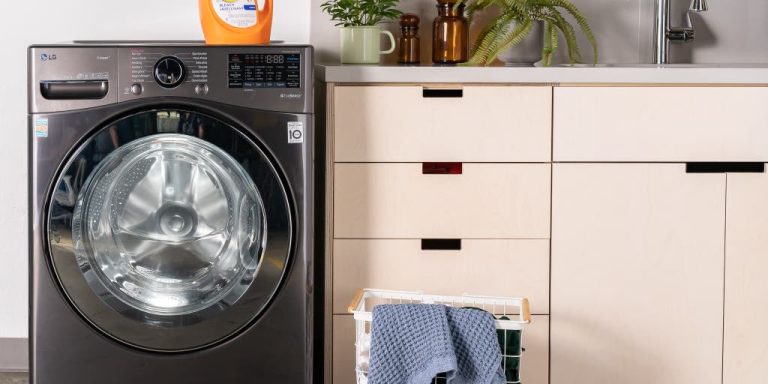
Credit: www.independent.co.uk
Choosing The Right Drainage Method
When it comes to setting up your washing machine, one important factor to consider is the drainage method. Proper drainage is essential for the efficient functioning of your washing machine and preventing potential issues like water leaks and pipe blockages. In this article, we will explore the different drainage options available and help you choose the one that suits your needs best.
Considerations For Drainage Options
Before diving into the types of drainage systems, it’s crucial to take into account a few considerations:
- Location: Assess the location of your washing machine. Is it near a floor drain, a sink, or another suitable drainage outlet? The proximity to a drainage point will play a role in determining the most appropriate option.
- Gravity: Gravity plays a vital role in drainage. Pay attention to the positioning of your machine and its proximity to the main drain or sewer line. The drainage method you choose should allow water to flow smoothly downwards, minimizing the risk of clogs.
- Convenience: Consider your convenience when selecting a drainage method. Some options may require additional installations or modifications, while others may be simpler and more straightforward.
- Local Regulations: Check your local building codes or regulations to ensure compliance when choosing a drainage method. Some areas may have specific guidelines or restrictions that you need to follow.
Types Of Drainage Systems
Now let’s explore the various drainage systems available for your washing machine:
| Drainage System | Description |
|---|---|
| Standpipe | Also known as a drainpipe, this method involves connecting your machine’s drain hose to a vertical pipe or tube. The standpipe must be at least 2 inches in diameter and positioned no more than 60 inches high for optimal drainage. |
| Laundry Sink Drainage | If your laundry area has a sink nearby, this method is a convenient choice. You can connect your washing machine drain hose directly to the sink’s drain, eliminating the need for additional installations. |
| Utility Sink Drainage | Similar to the laundry sink drainage method, but utilizing a utility sink instead. Utility sinks are larger and designed to handle heavier water flow, making them suitable for washing machine drainage. |
| Direct Venting | Direct venting involves installing a dedicated vent pipe for the washing machine drain. This method helps to prevent unpleasant odors from escaping the drain and keeps the air flowing properly. |
Each drainage system has its benefits and considerations. Assess your specific needs, available space, and local regulations to determine which method aligns best with your requirements.

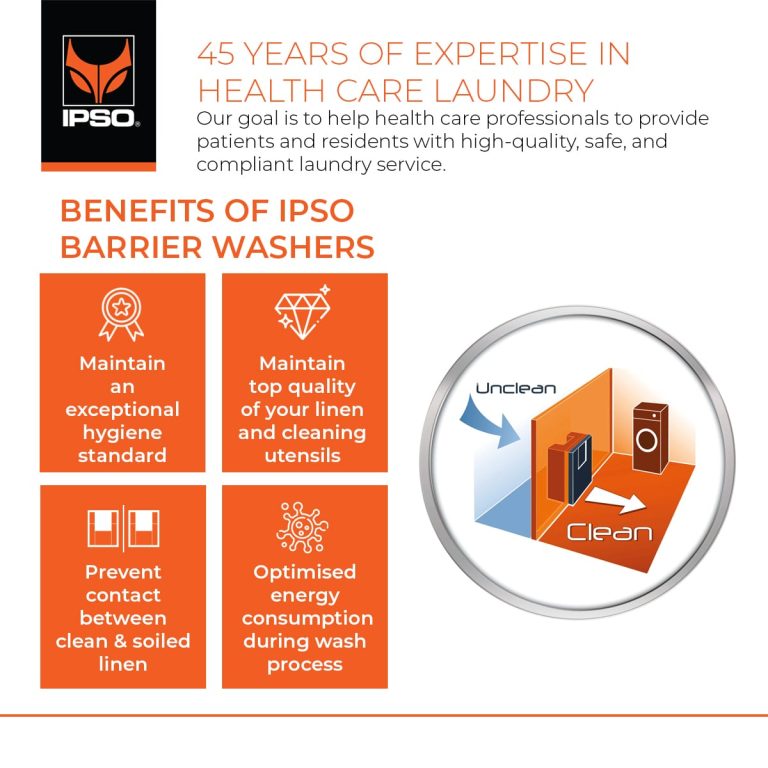
Credit: www.amazon.com
Optimizing Washing Machine Drainage
Ensuring proper drainage for your washing machine is crucial to maintain its functionality and prevent water damage to your home. By optimizing washing machine drainage, you can extend the lifespan of your appliance and avoid potential plumbing issues.
Regular Maintenance Practices
Regular maintenance is essential to ensure your washing machine’s drainage system operates efficiently. Cleaning the lint filter regularly can prevent clogs and improve drainage. Inspecting hoses for cracks, leaks, or blockages is also important to maintain proper water flow.
Importance Of Proper Installation
A well-installed washing machine drainage system is vital for effective water disposal and preventing leaks. Proper positioning of the drain hose is critical to avoid issues such as backflow or overflows. Ensuring a secure connection to the drainage pipe is necessary to prevent water seepage.
Common Drainage Issues
Identifying Drainage Problems
When dealing with washing machine drainage, it’s essential to be aware of common issues that may arise. Identifying drainage problems can save time and money while ensuring your machine functions optimally. Here are the most frequent drainage problems:
- Clogged Drain Hose
- Improper Drainage Setup
- Drain Pump Failure
Troubleshooting Techniques
Understanding how to troubleshoot drainage issues is crucial for maintaining your washing machine’s functionality. Here are some techniques to address common drainage problems:
- Check the Drain Hose: Inspect the hose for any clogs or blockages
- Assess Drain Pump Function: Test the drain pump to ensure it is operating correctly
- Verify Drainage Setup: Confirm that the drainage system is appropriately configured
Efficiency Boosting Solutions
When it comes to optimizing the performance of your washing machine, one aspect that often gets overlooked is the drainage system. By upgrading and utilizing efficient drainage options, you can enhance the overall efficiency of your washing machine and contribute to a greener environment. In this article, we will explore two key efficiency boosting solutions:
Upgrading Drainage System Components
One of the first steps you can take to improve the drainage efficiency of your washing machine is by upgrading its drainage system components. This can include:
- Installing a larger diameter drain hose to allow for faster and smoother water flow.
- Replacing worn-out or damaged drain hoses that may be causing water leaks and inefficient drainage.
- Ensuring proper alignment and securing of the drain hose to prevent kinks or obstructions that impede the flow.
- Adding a lint trap or filter to catch lint, hair, and other debris before it enters the drain system and potentially causes clogs.
By addressing these issues, you can significantly improve the efficiency of your washing machine’s drainage system. This, in turn, ensures that water is effectively removed from the machine, allowing for a more efficient cleaning process.
Utilizing Eco-friendly Options
Another approach to enhancing the efficiency of your washing machine’s drainage system is by utilizing eco-friendly options. These options not only improve efficiency but also minimize the environmental impact of your washing machine. Some eco-friendly solutions include:
- Using biodegradable detergents that break down easily and do not leave harmful residues.
- Opting for natural fabric softeners or vinegar instead of chemical-based alternatives.
- Choosing low water usage settings on your washing machine, saving both water and energy.
- Regularly cleaning the washing machine’s drain pump filter to prevent blockages and maintain optimal performance.
By incorporating these eco-friendly options into your washing routine, you minimize the use of harsh chemicals and reduce water consumption, making your washing machine more efficient and environmentally friendly.
Additional Tips For Efficient Drainage
Discover effective drainage solutions for your washing machine to prevent clogs and backups. Consider installing a lint trap or a drain pan for optimal drainage and maintenance. Explore these practical tips to keep your laundry area functioning smoothly.
Proper Load Sizing
Match load size to wash cycle to prevent drainage problems. Too few or too many items can disrupt the draining process.
Using The Correct Detergent
Choose detergent specifically designed for your machine. Incorrect detergent can lead to excessive suds, hindering drainage.
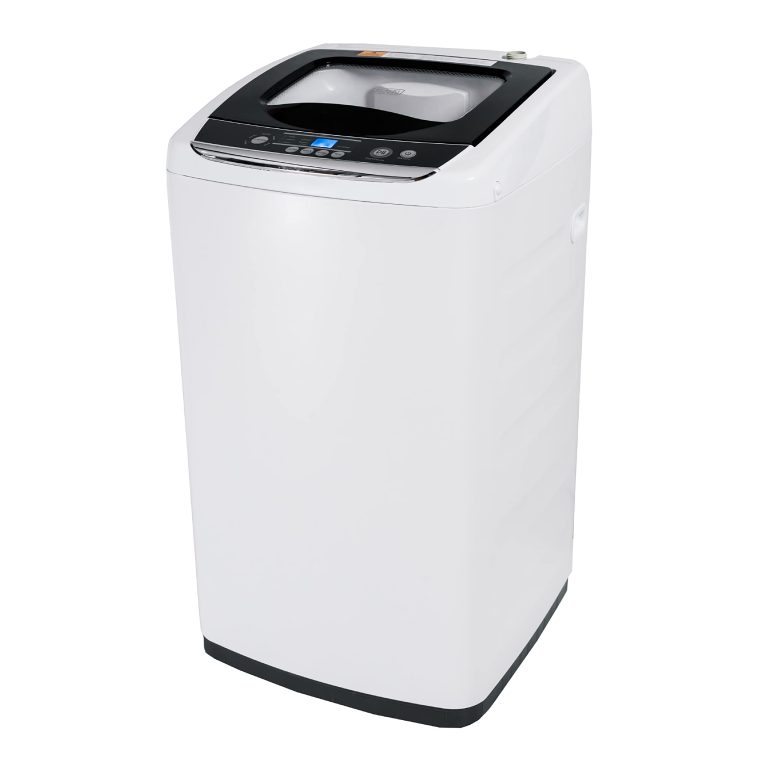
Credit: www.bestbuy.com
Environmental Impact Of Washing Machine Drainage
When washing machines drain their water, it’s crucial to consider the environmental impact. Efficient drainage options can significantly reduce water consumption and preserve our natural resources.
Water Conservation Strategies
- Use high-efficiency washing machines to minimize water usage.
- Implement greywater systems to recycle water for non-potable purposes.
- Regularly check and fix leaks to prevent unnecessary water wastage.
Effects On Sewage Systems
- Proper drainage helps prevent clogs and backups in sewage systems.
- Excessive detergent and chemicals in drainage water can harm sewer infrastructure.
- Regular maintenance of washing machine drains is essential to avoid damage to sewage systems.
Smart Technology Integration
When it comes to washing machine drainage options, integrating smart technology can greatly enhance efficiency and convenience. With the rise of IoT (Internet of Things), smart devices can now be seamlessly integrated into home appliances for improved functionality and monitoring. In the context of washing machine drainage, smart technology offers innovative solutions for monitoring and automating the process, ensuring optimal performance and preventing potential issues.
Smart Drainage Monitoring Devices
Smart drainage monitoring devices are equipped with advanced sensors and connectivity features that allow real-time tracking of the drainage system. These devices can detect clogs, leaks, or obstructions in the drainage path, providing timely alerts to homeowners. By integrating these devices with washing machines, users can receive notifications on their smartphones or other connected devices, enabling proactive maintenance and troubleshooting.
Automation Features For Drainage
Aside from monitoring, smart technology also offers automation features for drainage management. Washing machines can be equipped with automated drainage systems that regulate the flow and disposal of wastewater. These systems can intelligently adapt to the load size and water levels, optimizing the drainage process for enhanced efficiency and water conservation. Moreover, smart automation can detect irregularities in drainage patterns and initiate self-cleaning or maintenance routines, ensuring smooth operation without manual intervention.
Future Trends In Washing Machine Drainage
When it comes to washing machine drainage, the future holds exciting possibilities for advancements in technology and the introduction of sustainable innovations. These developments aim to enhance the efficiency and environmental friendliness of washing machine drainage systems. In this article, we will explore the upcoming trends in washing machine drainage, focusing on the advancements in drainage technology and sustainable drainage innovations.
Advancements In Drainage Technology
The constant improvement in technology has paved the way for significant advancements in washing machine drainage systems. These advancements primarily focus on enhancing the efficiency and effectiveness of draining water from washing machines.
One of the most notable advancements is the introduction of sensor-based drainage systems. These systems use sensors to detect the water level in the washing machine and automatically initiate the drainage process once the desired level is reached. This not only eliminates the need for manual intervention but also prevents potential overflow and water damage.
Inverter technology is another breakthrough in drainage systems. Inverter-driven drain pumps allow for precise control of the draining process, adapting to the load and water conditions. By varying the speed of the drain pump, these systems optimize energy consumption while ensuring thorough drainage of water.
Sustainable Drainage Innovations
As environmental concerns continue to rise, the future of washing machine drainage revolves around sustainable innovations. These innovations prioritize water conservation, energy efficiency, and minimizing the environmental impact of washing machine operations.
One exciting development is the integration of recycling systems within washing machine drainage. These systems filter and treat the used water, making it suitable for reuse in subsequent washing cycles. Not only does this approach conserve water resources, but it also reduces the overall water consumption associated with washing machine operations.
Greywater recycling is another sustainable drainage option gaining popularity. It involves diverting the drained water from washing machines to be used for non-potable purposes, such as irrigation or toilet flushing. By repurposing the graywater, households can significantly reduce their reliance on freshwater sources, further contributing to water conservation efforts.
Efforts are also being made to make washing machine drainage systems more energy-efficient. For instance, some manufacturers are exploring the use of solar-powered drain pumps. By harnessing solar energy, these pumps reduce reliance on electricity and minimize the carbon footprint associated with washing machine drainage.
The future of washing machine drainage is indeed promising, with advancements in drainage technology and sustainable innovations at the forefront. As technology continues to evolve, we can expect even more efficient and eco-friendly drainage systems that help conserve water, lower energy consumption, and minimize the environmental impact of washing machines. By staying abreast of these future trends, we can make informed choices to ensure optimal washing machine performance while contributing to a greener future.
Frequently Asked Questions On Washing Machine Drainage Options
What Are The Different Types Of Washing Machine Drains?
There are two main types of washing machine drains: the standpipe drain and the laundry sink drain.
What Is The Code For Washing Machine Drain Pipe?
The code for a washing machine drain pipe is determined by local plumbing codes and regulations. It is important to check with your local building codes or consult a professional plumber to ensure compliance with the specific requirements in your area.
What Are The Rules For Washer Drains?
The rules for washer drains are essential to follow. Ensure proper installation, use the correct drain size, and avoid excessive bends. The drain should have a P-trap and connect to a vent. Maintenance is crucial to prevent clogs and ensure proper functioning.
Can A Washing Machine Drain Hose Run Along The Floor?
Yes, a washing machine drain hose can run along the floor as long as it’s not higher than 96 inches. Keep a slight upward slope to prevent kinking or clogging. Regularly check for leaks or blockages to ensure proper drainage.
Conclusion
Finding the right drainage option for your washing machine is crucial to maintaining its efficiency and preventing potential damage. By considering factors such as the location of your laundry room and the available plumbing options, you can make an informed decision.
Whether you choose a standpipe, a laundry sink, or a floor drain, ensuring proper drainage will help prolong the lifespan of your washing machine and keep your laundry area clean and functional. So, take the time to assess your needs and make the best choice for your home.