A washing machine typically weighs between 150 to 200 pounds. A washing machine’s weight can vary depending on the model and capacity, but on average, it ranges from 150 to 200 pounds.
This essential household appliance is designed to handle heavy loads of laundry while providing efficient cleaning. When purchasing a washing machine, it is important to consider its weight as it affects installation and transportation. Some machines may be lighter, especially portable or compact models, while larger capacity machines tend to be heavier.
Whether you’re replacing an old unit or buying a new one, understanding the weight of a washing machine can help you make informed decisions about shipping, installation, and overall functionality.
The Importance Of Knowing The Weight
Understanding the weight of a washing machine is crucial for various reasons. The Importance of Knowing the Weight.
Avoiding Damage To Floors
Placing a heavy washing machine on a floor ill-equipped to handle its weight can result in severe damage.
- Ensure the floor can support the weight of the washing machine.
- Consider using anti-vibration pads to minimize impact on the floor.
Ensuring Proper Installation
Installing a washing machine of unknown weight can lead to installation errors, affecting its efficiency.
- Refer to the manufacturer’s guidelines for installation requirements.
- Use a level to ensure the machine is balanced for optimal performance.

Credit: www.amazon.com
Factors Influencing Weight
Factors influencing the weight of a washing machine include its capacity, materials used, and additional features such as built-in dryers or advanced technology. These factors determine the overall heaviness of the appliance and can vary between different models and brands.
Size Of The Washing Machine
When it comes to determining the weight of a washing machine, the size of the appliance plays a crucial role. Generally, larger washing machines tend to be heavier due to their increased capacity and bulk. These machines are designed to handle larger loads of laundry, which means they require more robust internal components and a sturdier outer frame. As a result, a larger washing machine can weigh significantly more than a smaller model.
Material Of Construction
The material of construction is another factor that influences the weight of a washing machine. Manufacturers utilize different materials, such as stainless steel, plastic, or a combination of both, to design washing machines. Each material has its own weight characteristics, affecting the overall weight of the appliance. For instance, washing machines with stainless steel tubs and frames tend to be heavier than those made from plastic. This is because stainless steel is a denser material and provides better structural integrity.
Average Weight Of Washing Machines
The average weight of washing machines depends on the type and size of the machine. Understanding the average weight can be helpful when it comes to moving and installing a washing machine. Below, we’ll explore the average weight of top-loading and front-loading machines.
Top-loading Machines
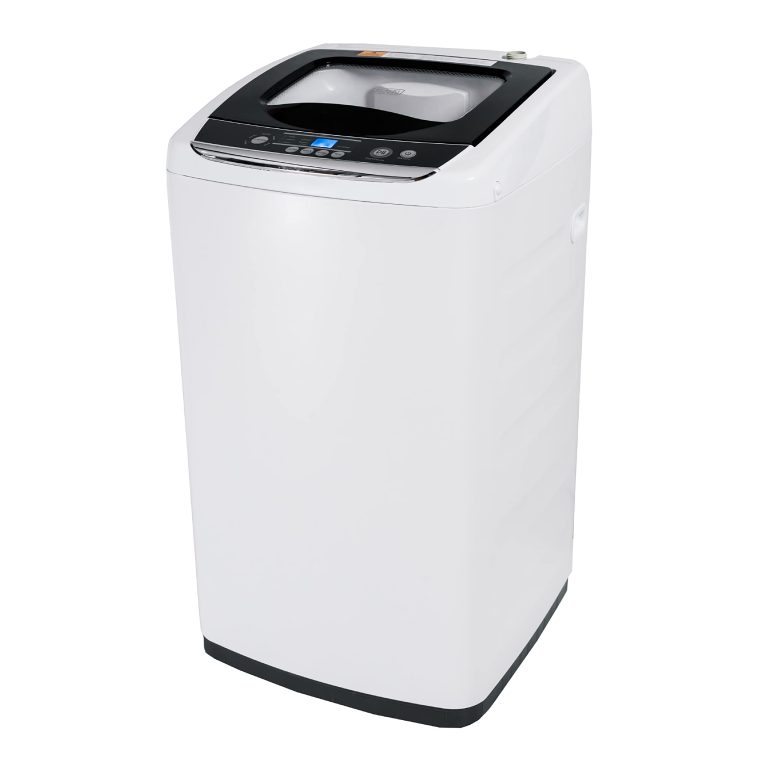
Top-loading washing machines are generally lighter compared to their front-loading counterparts. The average weight of a standard top-loading washing machine ranges from 150 to 200 pounds.
Front-loading Machines
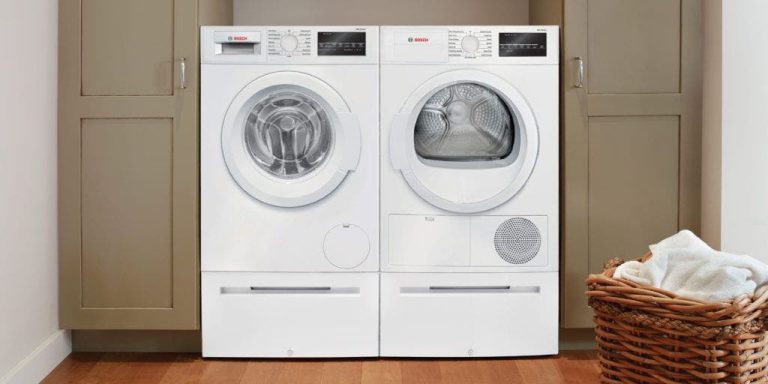
Front-loading washing machines tend to be heavier due to their larger capacity and design. The average weight of a front-loading washing machine falls in the range of 200 to 300 pounds, with some commercial or industrial models exceeding 300 pounds.

Credit: www.amazon.com
Weight Comparison Across Brands
Discover the weight difference among popular washing machine brands. Uncover the actual heaviness of a washing machine and compare across various models.
Weight Comparison across Brands When it comes to purchasing a new washing machine, knowing the average weight of different brands can be beneficial. The weight of a washing machine can vary depending on the brand and the type of machine. Here, we will discuss the weight range of popular washing machine brands, allowing you to make an informed decision.Popular Brands And Their Average Weight Ranges
| Brand | Average Weight Range (lbs) |
|---|---|
| Whirlpool | 125-175 |
| Samsung | 150-200 |
| LG | 140-190 |
| Maytag | 130-180 |
Conclusion
Understanding the weight range of washing machines can assist you in making the right choice. It is important to consider the weight of the machine, especially if you need to move it or install it in a specific location. By knowing the average weight ranges for various brands, you can make a well-informed decision when purchasing a new washing machine.Handling And Moving A Washing Machine
Moving a washing machine can be a daunting task, especially if you’re doing it for the first time. It’s not only heavy but also requires careful handling to prevent any damage or injuries. Whether you’re moving to a new home or simply repositioning your washing machine, it’s important to follow proper safety precautions and have the right tools and equipment to make the process easier and safer.
Safety Precautions
- Wear appropriate protective gear such as gloves and closed-toe shoes to protect your hands and feet.
- Ensure the area around the washing machine is clear of any obstacles or tripping hazards.
- Before moving the machine, unplug it from the power source to avoid any electrical accidents.
- Secure any loose parts or accessories to prevent them from falling off during the move.
- Use proper lifting techniques, bending your knees and using your leg muscles rather than your back to lift the machine.
- If possible, have someone assist you in lifting and carrying the washing machine to distribute the weight evenly.
- Carry the machine with a firm grip, keeping a straight posture and avoiding sudden movements.
- When navigating stairs, go slow and take one step at a time while keeping a tight grip on the machine.
- Use a sturdy dolly or hand truck to transport the washing machine, if available, to reduce strain on your back.
- If using a dolly, secure the washing machine in an upright position using straps or bungee cords.
Tools And Equipment Needed
To make handling and moving a washing machine easier, you’ll need a few essential tools and equipment:
- Dolly or hand truck: A sturdy dolly or hand truck will help you transport the washing machine with less effort.
- Furniture straps or bungee cords: These will help secure the washing machine in place on the dolly or hand truck.
- Appliance sliders: These small disks or mats can be placed under the washing machine to facilitate smooth movement.
- Tape or zip ties: These can be used to secure any loose parts or accessories during the move.
- Measuring tape: Use a measuring tape to ensure the washing machine will fit through doorways or narrow spaces.
Having these tools and equipment ready before moving the washing machine will save you time and effort, and help prevent any unnecessary damage.
Impact Of Weight On Transportation
The impact of weight on transportation of a washing machine cannot be underestimated. Let’s delve into the challenges it presents:
Delivery And Installation Challenges
Heavy washing machines pose challenges during delivery and installation:
- Require specialized equipment for lifting and maneuvering
- Increased chance of damage to the machine or property
- Need for experienced professionals to handle the process
Ensuring Safe Transportation
Transportation of heavy washing machines demands careful planning and execution:
- Proper securing and padding during transit
- Use of appropriate vehicles that can support the weight
- Adherence to safety regulations and guidelines
Weight Vs Capacity
When choosing a washing machine, understanding the relationship between weight and capacity is crucial. The ideal size of a washing machine varies based on its weight and capacity.
Determining The Ideal Size Based On Weight
The weight of a washing machine is a key factor in determining its capacity.
| Weight Category | Capacity Range |
|---|---|
| Lightweight | 6-8 kg |
| Medium-weight | 8-10 kg |
| Heavyweight | 10-12 kg |
Future Trends In Washing Machine Weight
The future trends in washing machine weight are focused on innovations to reduce weight while enhancing performance. As technology advances, manufacturers are increasingly prioritizing lighter and more efficient washing machines. Let’s explore these future trends in more detail.
Innovations To Reduce Weight While Enhancing Performance
Manufacturers are introducing innovative materials and designs to reduce the weight of washing machines without compromising their performance. This includes the use of advanced lightweight alloys and composites, as well as streamlined internal components to achieve a lighter overall build.
Additionally, advancements in motor and drum design are optimizing the washing process, allowing for enhanced performance while reducing the overall weight of the appliance. These developments are essential for meeting the demand for more portable and efficient washing machines in modern living spaces.

Credit: www.nytimes.com
Frequently Asked Questions On How Heavy Is A Washing Machine
How Heavy Is A Top Load Washing Machine?
A top load washing machine typically weighs between 150 to 200 pounds. It’s important to consider weight for installation and transportation.
Are Washing Machines Heavy To Lift?
Yes, washing machines can be heavy to lift due to their size and built-in components. It’s important to use proper lifting techniques or seek assistance to prevent injury.
What Is The Average Weight Of A Washing Machine?
The average weight of a washing machine ranges between 150-200 pounds. It may vary based on the size and type of the machine.
How Do You Move A Heavy Washing Machine?
To move a heavy washing machine, first, unplug it. Slide a furniture dolly underneath. Secure the machine with straps. Use the dolly to carefully wheel the machine to its new location. Be cautious of stairs and tight corners. Always get help if needed for safety.
Conclusion
To summarize, understanding the weight of a washing machine is crucial before purchasing or installing one. By considering factors such as type, size, and material, you can determine the weight range of a washing machine. This knowledge will help you make informed decisions regarding transportation, installation, and placement within your home.
So, remember to take the necessary precautions and consult the manufacturer’s specifications to ensure a seamless washing machine experience.