Ovens maintain temperature through a cycling process where they turn on and off to keep the set temperature. This is done through a thermostat that measures and regulates the heat inside the oven.
Maintaining temperature is crucial in achieving perfectly cooked food, whether you are baking, roasting, or broiling. Ovens have come a long way from the traditional wood-fired ovens to electric and gas ovens with advanced features. However, the basic principle remains the same: to keep the temperature constant while cooking.
Ovens work by heating up their elements, which in turn heats the cavity. The heat distribution is evened out through fans and other means, ensuring food is cooked evenly. But how do ovens maintain a constant temperature throughout the cooking process? Read on to find out.
Thermostats In Ovens
Ovens use thermostats to regulate temperature and cycle on and off during the cooking cycle to maintain the set temperature. When the temperature drops below the set temperature, the oven cycles on again to provide heat, and the cycle continues until the cooking is complete.
Calibrating the oven and using the right temperature is important for getting the desired results.
nto an oven, you might not think twice about how the temperature is maintained. However, the process is more complex than you may think. Ovens rely on a combination of heating elements and thermostats to ensure that they maintain a constant temperature. The thermostats inside an oven are responsible for controlling temperature by regulating the flow of electricity or gas to the heating elements. In this section, we’ll take a closer look at the role that thermostats play in maintaining temperature in ovens.What Is A Thermostat?
A thermostat is a device that regulates temperature by monitoring and controlling the supply of heat to a system. In the case of ovens, thermostats work by detecting the temperature inside the oven and controlling the flow of electricity or gas to the heating element. The thermostat is usually located near the heating element and consists of a temperature-sensitive material that expands and contracts as the temperature changes. When the temperature exceeds the set value, the material triggers a mechanism that shuts off the heating element; when the temperature drops below the set value, the material triggers a mechanism that turns the heating element back on.How Thermostats Work In Ovens
Thermostats in ovens work similarly to thermostats in other heating and cooling systems. When you set the temperature on your oven, the thermostat detects the current temperature and compares it to the desired temperature. If the temperature is lower than the desired temperature, the thermostat turns on the heating element to increase the temperature. If the temperature exceeds the desired temperature, the thermostat turns off the heating element until the temperature drops back down. This process continues throughout the cooking time to ensure that the oven maintains a constant temperature.Types Of Thermostats Used In Ovens
There are two main types of thermostats used in ovens: mechanical thermostats and digital thermostats. Mechanical thermostats have a simple design and rely on a bimetallic strip to control the flow of electricity or gas to the heating element. Digital thermostats, on the other hand, use a microprocessor to control temperature and offer greater accuracy and precision. Additionally, some ovens now use a combination of both mechanical and digital thermostats to ensure the most accurate temperature control. In conclusion, thermostats play a crucial role in ensuring that ovens maintain a constant temperature. They work by detecting the temperature inside the oven and regulating the flow of electricity or gas to the heating elements in order to maintain the desired temperature. There are different types of thermostats used in ovens, each with its own advantages and disadvantages. Understanding how thermostats work in ovens can help you be more confident in your cooking and ensure that your dishes turn out perfectly every time.Maintaining Oven Temperature
Gas and electric ovens cycle on and off during cooking to maintain the set temperature. The thermostat inside the oven measures and regulates the heat to ensure the oven cooks at a consistent temperature without getting too hot. Calibrating an oven with analog controls can also help keep oven temperatures consistent.
Maintaining Oven Temperature Whether you are baking a cake, roasting a turkey, or cooking a pizza, maintaining oven temperature is key to getting the best results. Ovens are designed to maintain a specific temperature to ensure that your food cooks evenly and thoroughly. In this section, we will discuss the factors affecting oven temperature, the role of thermostats in maintaining temperature, and how ovens regulate temperature.Factors Affecting Oven Temperature
Several external factors can affect the temperature inside the oven, affecting the cooking process. One of the most significant factors is the oven’s location. For instance, an oven near a window or a door may lose heat more quickly, requiring additional energy to maintain the desired temperature. The type of oven and the material it’s made with also affect temperature maintenance. Gas ovens tend to have more temperature fluctuations than electric ovens, while convection ovens are designed to maintain temperatures more consistently.The Role Of Thermostats In Maintaining Temperature
Thermostats are electrical devices that detect temperature changes and respond by regulating the heat source’s output. They are placed inside the oven and monitor the temperature consistently. When the temperature falls below the set level, the thermostat signals the heating element, and it starts producing heat. When the temperature reaches the desired level, the thermostat signals the heating element to shut off, preventing the oven from becoming too hot.How Ovens Regulate Temperature
To maintain a constant temperature, ovens use a method called cycling. Both electric and gas ovens will cycle on and off throughout the cooking cycle. When the temperature falls below the set level, the heating element turns on and brings the oven back to the desired temperature. Once the temperature is regained, the heating element turns off until the temperature falls again. In conclusion, maintaining oven temperature is essential to cooking delicious meals. By understanding the factors that affect oven temperature, the role of thermostats, and how ovens regulate temperature, you can make sure that your food is cooked to perfection every time.Common Issues With Oven Temperature
Gas and electric ovens maintain a consistent temperature by cycling on and off throughout the cooking process. Once the oven temperature drops below the set temperature, it will cycle on again to provide heat and cycle off once the temperature is higher than the set temperature.
Oven calibration and maintenance are crucial in preventing temperature fluctuations and ensuring accurate cooking results.
Common Issues with Oven Temperature One of the biggest challenges in cooking or baking is ensuring that the oven operates at a consistent temperature, which is critical to achieving good results. Unfortunately, ovens are susceptible to many issues that can cause them to fail to maintain temperature. In this section, we will explore some common issues that can arise with oven temperature and how to troubleshoot them. Why Ovens Fail to Maintain Temperature? Ovens can fail to maintain temperature due to a variety of reasons. Some of these reasons include: – Thermostat Malfunction: A faulty thermostat can prevent the oven from maintaining temperature, causing it to run too hot or too cold. – Inaccurate Temperature Calibration: Over time, the temperature calibration of the oven can become inaccurate, which can lead to problems with maintaining the correct temperature. – Poor Ventilation: If the oven is poorly ventilated, heat can build up inside the oven, causing the temperature to rise higher than it should. Signs of Thermostat Malfunction A faulty thermostat can be a major cause of temperature fluctuations in your oven. Here are some signs that your oven’s thermostat may be malfunctioning: – The oven takes longer than usual to heat up or does not heat up at all. – The oven temperature is inconsistent, fluctuating up and down during cooking. – The food is not cooked consistently, with some portions of the dish being overcooked while others are undercooked. How to Troubleshoot Oven Temperature Problems 1. Calibrate your oven: Begin by checking the temperature calibration of your oven. You can do this by using an oven thermometer to compare the temperature inside your oven to the temperature displayed on the oven’s control panel. If there is a significant difference, you may need to calibrate the temperature of the oven to ensure it is accurate. 2. Check the seal: Another common issue that can cause temperature fluctuations is a damaged or worn-out oven seal. Check the seal around the door of the oven and look for signs of damage or wear. If the seal is damaged, it will need to be replaced to prevent heat from escaping the oven. 3. Check the ventilation: Ensure that your oven has adequate ventilation to allow heat to escape from the oven while it is in use. If the oven is poorly ventilated, it can cause heat to build up inside the oven, causing temperature fluctuations. In conclusion, oven temperature maintenance is crucial for cooking and baking great dishes. However, various issues can arise, causing the oven to fail to maintain temperature, leading to undercooked or overcooked meals. By understanding the common issues and how to troubleshoot them, you can ensure that your oven is always operating at the correct temperature.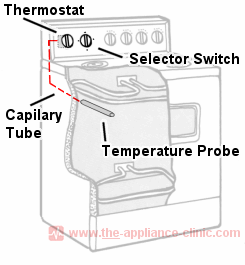
Credit: www.the-appliance-clinic.com
Calibrating Ovens For Accurate Temperature
Ovens are widely used for preparing different types of dishes. Whether you’re baking a cake or roasting a turkey, maintaining an accurate temperature is essential for getting the best results. The ability of an oven to maintain a consistent temperature lies in its calibration. In this section, we will discuss what oven calibration is, why it is important, and how to calibrate an oven with a thermostat for accurate temperature control.
What Is Oven Calibration?
Oven calibration is a process of adjusting the temperature of an oven to ensure its accuracy. The calibration process involves comparing the actual temperature of the oven with the set temperature and adjusting the settings accordingly. Every oven is equipped with a thermostat that controls the temperature, and with time, the thermostat may become less accurate. As a result, the temperature inside the oven may deviate from the desired temperature, leading to uneven cooking or baking of food.
Why Is Oven Calibration Important?
Oven calibration is crucial to ensuring that your oven is functioning correctly and producing the desired results. If the temperature in your oven is not calibrated correctly, it can lead to undercooking or overcooking food, resulting in poor taste and an unappetizing appearance. A correctly calibrated oven will ensure that the food is cooked evenly and is moist and tender.
How To Calibrate An Oven With Thermostat
The process of calibrating an oven with a thermostat is simple and straightforward. Follow these steps:
- Get an oven thermometer to measure the temperature inside the oven
- Preheat the oven to a set temperature, say 350°F
- Place the oven thermometer in the center of the oven and close the door
- Let the oven run for around 15 minutes to stabilize the temperature
- Check the temperature on the oven thermometer and compare it to the set temperature.
- If the thermometer shows a different temperature from the desired temperature, adjust the oven settings until the thermometer displays the desired temperature.
- Repeat the process at different temperature settings to ensure accurate calibration across the range of temperature settings
Keep in mind that you may need to recalibrate your oven periodically, especially if you notice the food isn’t cooking or baking evenly. Regular oven calibration will ensure that your oven continues to produce consistent and high-quality results.
Tips For Using Ovens
Ovens maintain temperature by regulating a heating cycle, where the device called a thermostat triggers when the temperature reaches the set point. Both gas and electric ovens cycle on and off throughout the cooking cycle to maintain the set temperature.
Calibrating an oven with analog controls can also help ensure consistent temperature.
Tips for Using Ovens Using an oven is a fundamental skill every home cook should master. Like most kitchen appliances, there are some tips to follow to ensure that you get the best results. Here are some tips you need to know for using an oven effectively. H3: Preheating the Oven Preheating the oven is an essential step before you start using it. Many recipes specify the required preheating temperature and time. Preheating the oven ensures that the temperature inside the oven is consistent throughout the cooking process. Preheating the oven also helps in reducing the cooking time, saving energy, and producing evenly cooked food. H3: Placing Food in the Oven Where you place your food in the oven can determine how evenly your food is cooked. Most ovens have hotspots, especially close to the top heating element. When you place your food in the oven, ensure to place it in the middle of the oven, away from the top heating element. Also, avoid overcrowding the oven with too much food, this can cause the temperature inside the oven to drop, which can affect the cooking time and quality of your food. H3: Oven Cleaning and Maintenance Maintaining a clean oven is essential to achieve consistent results when cooking. Regular cleaning helps to prevent the buildup of grease, food residue, and burnt food, which can affect the temperature inside the oven. When cleaning the oven, always follow the manufacturer’s instructions to avoid damaging the oven. It’s also recommended to check the oven’s seal regularly to ensure it’s intact. A damaged seal can cause heat to escape from the oven, affecting the temperature inside. If the seal is damaged, it’s best to replace it. In conclusion, by following these tips, you can ensure you optimize your oven’s performance, achieve consistent results, and prolong its lifespan. Whether you’re a beginner or a seasoned cook, these tips will help you make the most out of your oven.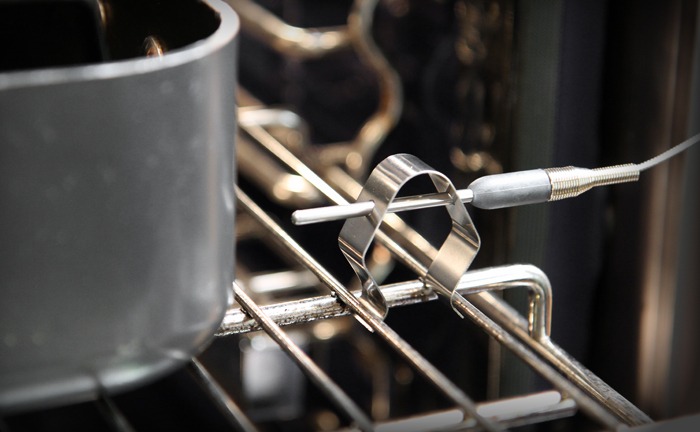
Credit: blog.thermoworks.com
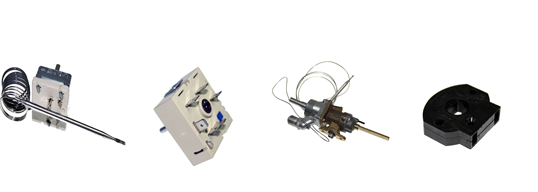
Credit: www.cookerspareparts.com
Frequently Asked Questions Of How Do Ovens Maintain Temperature
Do Ovens Keep A Constant Temperature?
Both gas and electric ovens cycle on and off throughout the cooking process to maintain the set temperature. The oven will turn on when the temperature falls below the set temperature and turns off when it goes above it. This cycling on and off helps to maintain a consistent temperature.
Additionally, ovens have thermostats that regulate heat to ensure the internal temperature remains near the set temperature.
How Do You Keep A Oven Temperature Consistent?
Gas and electric ovens maintain a consistent temperature by cycling on and off throughout the cooking cycle. When the temperature drops below the set level, the oven cycles on again to provide heat and off again once the temperature is higher than the set temperature.
A thermostat inside the oven measures and regulates the heat to ensure that the oven cooks at a consistent temperature. Calibrating the oven with analog controls can also help maintain the oven’s temperature consistency.
What Temperature Is Maintained In Oven And Why?
Ovens maintain a consistent temperature while cooking by cycling on and off. Both gas and electric ovens have thermostats that trigger a heating cycle to keep the internal temperature near the set temperature. Once the temperature reaches the required level, the oven cycles off until the temperature drops below the set temperature again.
How Do Gas Ovens Maintain Temperature?
Gas ovens maintain temperature by cycling on and off during the cooking cycle to maintain the set temperature. The thermostat inside the oven measures and regulates the heat to ensure consistent temperature without getting too hot. Once the temperature reaches the required level, the burner will be extinguished, and the gas supply cut off.
Conclusion
Oven temperature maintenance is important for perfectly cooked meals. Both gas and electric ovens use thermostats to cycle on and off to maintain the set temperature. Inaccurate oven temperature can affect your baking and cooking outcomes. Therefore, it is crucial to calibrate your oven regularly to ensure optimal performance.
Maintaining a consistent temperature in your oven allows you to achieve mouth-watering dishes with a perfect texture and flavor. So, keep your oven calibrated and enjoy the delicious meals, muffins, and cakes that you deserve!