If your oven won’t maintain temperature, it could be due to a malfunctioning thermostat, a faulty heating element, or a malfunctioning temperature sensor – the most likely culprits. You should check these components first before trying anything else.
A malfunctioning oven can be frustrating, especially when you’re trying to cook a meal. If your oven won’t maintain its temperature, it can be difficult to determine the root cause of the problem. However, the most likely culprits are a faulty thermostat or heating element, or a malfunctioning temperature sensor.
These components should be checked first, before moving on to other possible solutions. We’ll explore some of the most common reasons that ovens fail to maintain temperature, and offer some tips on how to fix them.
Common Causes Of Oven Not Maintaining Temperature
If your oven won’t maintain temperature, there may be a faulty thermostat or heating element. Check them first. Fluctuating oven temperatures can also be caused by a faulty temperature sensor or incorrect calibration.
Common Causes of Oven Not Maintaining Temperature If you’ve noticed that your oven isn’t maintaining its set temperature, there could be a variety of issues at play. Here are some common culprits that might be causing the problem:Faulty Thermostat
The thermostat is responsible for regulating the temperature inside your oven. If it’s not working properly, your oven may not be able to maintain a consistent temperature. One way to tell if the thermostat is the issue is if your oven is overheating or underheating, even though you’ve set it to the correct temperature. Additionally, if you notice that the heating element is glowing red for too long or not enough, it may be a sign of a faulty thermostat. To fix the problem, you may need to recalibrate or replace the thermostat.Heating Element
The heating element is another component that is crucial in helping your oven maintain its temperature. If it’s damaged or not working correctly, the oven may not be able to heat up properly, or it may take an unusually long time to do so. In some cases, the heating element may also turn on and off randomly, causing the temperature to fluctuate. If you suspect that the heating element is the problem, you’ll need to replace it.Temperature Sensor
The temperature sensor, also known as the oven temperature sensor probe, is responsible for monitoring the temperature inside your oven and sending signals to the control board about how hot the oven is. If the sensor is damaged or not working correctly, the control board may not receive accurate temperature readings, which can cause the oven to overheat or underheat, or it may even prevent the oven from heating up at all. To fix the problem, you’ll need to test the sensor and replace it if necessary. If your oven isn’t maintaining its temperature, these common issues are likely the culprits. By troubleshooting these components, you can get your oven heating up properly again and ensure that your food is cooked to perfection every time.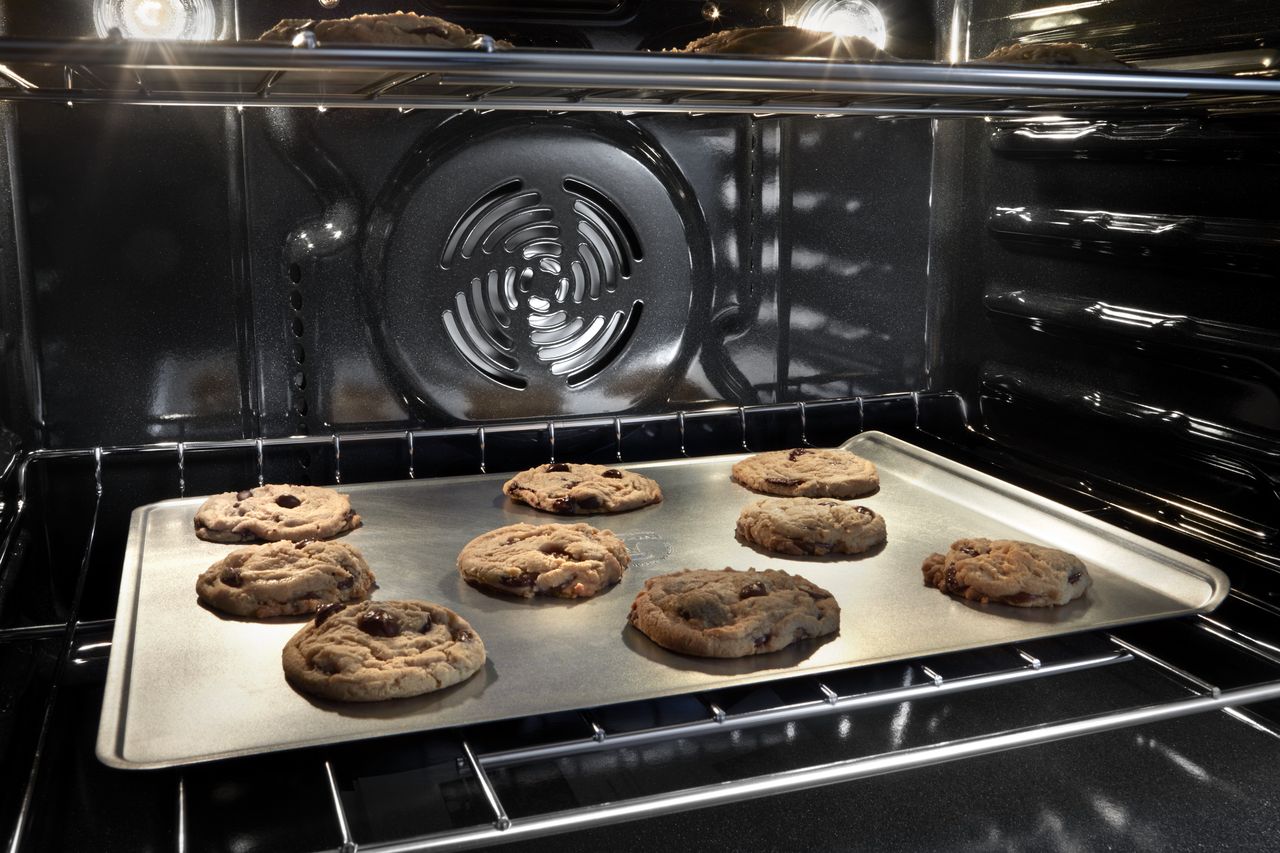
Credit: appliancetec.com
Troubleshooting Tips For A Malfunctioning Oven
Having trouble with your oven maintaining the right temperature? The culprit could be a faulty thermostat or heating element. Be sure to check these components first to get your oven back in working order.
blame. However, there are several troubleshooting tips you can try to diagnose and fix the problem. In this section, we’ll discuss some troubleshooting tips for a malfunctioning oven with a focus on the subheading: Checking the thermostat, testing the heating element, and inspecting the temperature sensor.Checking The Thermostat
The thermostat is responsible for maintaining the temperature inside the oven. If it’s not working correctly, the oven won’t be able to maintain a consistent temperature. To check the thermostat, you can use a multimeter to measure the resistance of the thermostat when the oven is turned off. If the resistance doesn’t match the manufacturer’s specifications, you may need to replace the thermostat.Testing The Heating Element
The heating element is responsible for generating the heat inside the oven. If it’s not working correctly, the oven won’t be able to maintain its temperature. To test the heating element, you can use a multimeter to measure the continuity of the element. If the element doesn’t have continuity, it may need to be replaced.Inspecting The Temperature Sensor
The temperature sensor, also known as the oven probe, is responsible for sensing the temperature inside the oven and sending it to the control board. If it’s not working correctly, the oven won’t be able to maintain a consistent temperature. To inspect the temperature sensor, you can use a multimeter to measure the resistance of the sensor. If the resistance doesn’t match the manufacturer’s specifications, you may need to replace the sensor. In conclusion, a malfunctioning oven that won’t maintain temperature can be a real frustration, but with some simple troubleshooting tips, you can diagnose and fix the problem. By checking the thermostat, testing the heating element, and inspecting the temperature sensor, you can identify the root cause of the problem and take necessary actions.How To Fix A Faulty Thermostat
When your oven won’t maintain temperature, start by checking the thermostat and heating element, as they are often the culprits. If they are faulty, troubleshooting these components or replacing them should solve the problem. It’s also important to keep the oven door closed and check for proper calibration.
How to Fix a Faulty Thermostat If your oven won’t maintain its temperature, then a faulty thermostat could be the issue. The thermostat is the component in the oven that’s responsible for maintaining the desired temperature. Sometimes they can become inaccurate or stop working altogether, which can cause the temperature to fluctuate, resulting in undercooked or overcooked food. Thankfully, there are a few things you can do to fix a faulty thermostat. In this section, we’ll cover two of the most effective methods for resolving the issue: thermostat recalibration and thermostat replacement.Thermostat Recalibration
The first thing you should try if you suspect that your oven’s thermostat is faulty is thermostat recalibration. This process involves resetting the thermostat to make it more accurately reflect the actual temperature of the oven. To recalibrate your oven’s thermostat, you’ll need a thermometer that’s designed for use in ovens. You can find these at most kitchenware stores or online. Here’s how you can recalibrate your oven’s thermostat:- Preheat your oven to 350 degrees Fahrenheit.
- Place the thermometer inside the oven on the center rack and close the door.
- Wait 15 minutes and then check the thermometer to see what temperature it’s reading.
- If the thermometer isn’t reading 350 degrees, then you’ll need to adjust the thermostat.
- Consult your oven’s manual to find out how to adjust the thermostat. This process will vary depending on your oven’s make and model.
- Adjust the thermostat as needed and then repeat the process until the thermometer is reading 350 degrees.
Thermostat Replacement
If recalibrating your oven’s thermostat doesn’t fix the issue, then you may need to replace the thermostat altogether. This process is a bit more involved, but it’s still something that you can do yourself if you’re handy with tools. Here are the steps to replace your oven’s thermostat:- Turn off power to the oven by unplugging it or turning off the circuit breaker.
- Locate the thermostat in the oven. It’s usually located near the temperature control knob.
- Remove any screws or clips that are holding the thermostat in place.
- Disconnect the wires that are attached to the thermostat.
- Install the new thermostat by reversing the steps you took to remove the old one.
- Turn the power back on and test the oven to make sure that the temperature is being maintained properly.
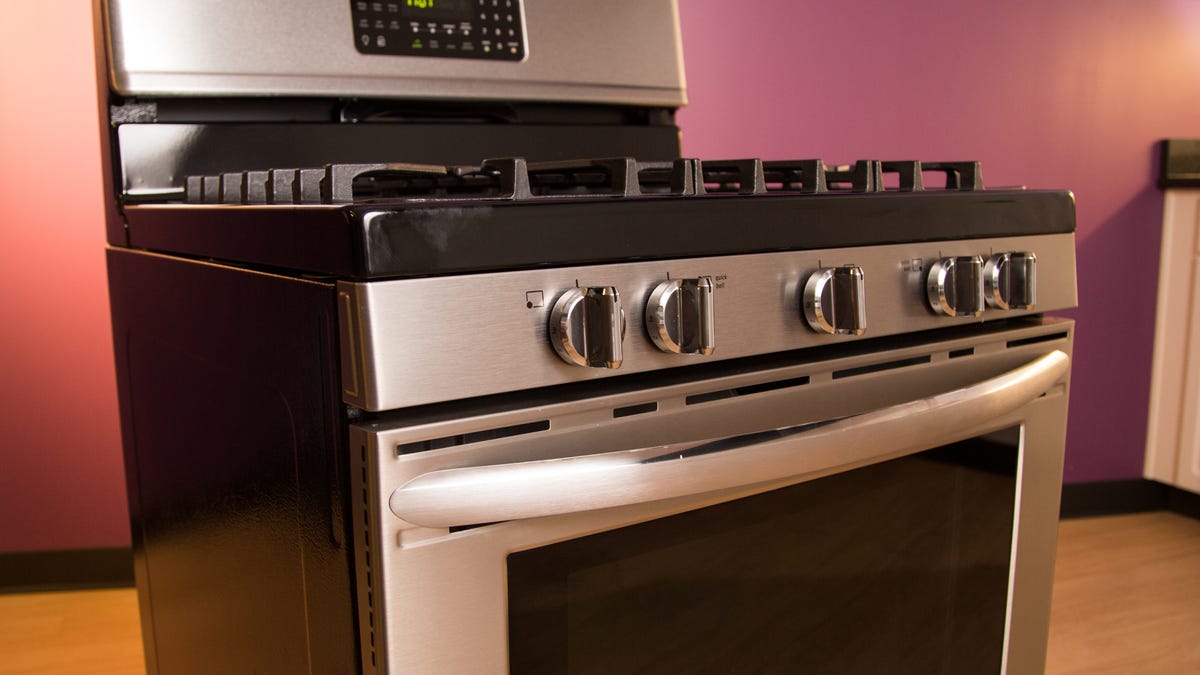
Credit: www.cnet.com
How To Test A Faulty Heating Element
If your oven won’t maintain temperature, it could be due to a faulty heating element or thermostat, which should be checked first. Other potential culprits include a malfunctioning temperature sensor or an issue with the temperature settings or calibration.
Checking For Continuity
If your oven won’t maintain temperature, then there’s a good chance that the heating element is at fault. Fortunately, you can easily test the heating element for continuity using a multimeter. Here’s how to do it: 1. Turn off the oven and unplug it from the wall. 2. Locate the heating element at the bottom of the oven. 3. Remove the screws that secure the heating element to the oven. 4. Carefully pull the heating element out of the oven and disconnect the wires from the back. 5. Set your multimeter to “Ohms” or “Resistance” (Ω). 6. Touch one of the multimeter probes to one end of the heating element and the other probe to the other end. 7. If the multimeter reading shows zero or a very low resistance, then the heating element is good. If the reading shows infinite or a very high resistance, then the heating element is faulty and needs to be replaced.Replacing The Heating Element
If your heating element has failed the continuity test, then it’s time to replace it. Here’s how to do it: 1. Turn off the oven and unplug it from the wall. 2. Locate the heating element at the bottom of the oven. 3. Remove the screws that secure the heating element to the oven. 4. Carefully pull the heating element out of the oven and disconnect the wires from the back. 5. Take the old heating element to a parts store or order a new one online. 6. Install the new heating element by connecting the wires and screwing it back into place. 7. Turn the oven back on and test it to ensure that it is maintaining temperature properly. By following these steps, you can easily check and replace a faulty heating element and get your oven back to maintaining the right temperature.How To Test And Inspect A Malfunctioning Temperature Sensor
To test and inspect a malfunctioning temperature sensor in an oven that won’t maintain temperature, you can start by checking the thermostat and heating element. Next, you can test the temperature sensor and inspect the control board and fan motor.
If your oven is not maintaining the correct temperature, it could be due to a malfunctioning thermostat, a faulty heating element, or a malfunctioning temperature sensor.
How to Test and Inspect a Malfunctioning Temperature Sensor One of the most common causes of an oven not maintaining its temperature is a malfunctioning temperature sensor. Temperature sensors are a crucial component that signals the control board to either heat up or shut off the oven based on the desired temperature setting. Unfortunately, these sensors can develop faults due to general wear and tear, or exposure to high temperatures. In this blog post, we’ll look at the different temperature sensor faults, how to test your oven’s temperature sensor, and tips on inspecting this crucial component.Temperature Sensor Faults
Temperature sensors measure the temperature inside your oven and send signals to the control board. If the control board receives an incorrect signal from the temperature sensor, it can cause your oven to operate at the wrong temperature. Some of the common temperature sensor faults include:- Disconnected wires that prevent the temperature sensor from sending the right signals
- Dirty or corroded terminals
- A broken temperature sensor probe
- Loose or faulty connections between the temperature sensor and control board
- A defective sensor board or control board
Testing The Temperature Sensor
Testing your oven’s temperature sensor is a simple process that can help identify any faults before your oven becomes unusable. To test your oven’s temperature sensor, follow these steps:- Turn off the oven to avoid any electric shock hazards.
- Open the oven door and locate the temperature sensor probe. The sensor is typically located at the rear of the oven next to the broiler element. Refer to the oven’s manual for more specific instructions.
- Remove the screws that secure the temperature sensor in place and carefully pull it out.
- Using a multimeter, set it to read ohms and touch the sensor probes together. It should show a reading of zero. If it doesn’t, the multimeter needs to be calibrated.
- Attach one of the multimeter probes to the temperature sensor’s metal housing and the other to the sensor’s probe tips.
- If the temperature sensor reading falls within the manufacturer’s recommended ohms range, it’s probably working correctly. However, if the readings are outside the recommended range, it could indicate a faulty temperature sensor that needs replacement.
- Reattach the temperature sensor back to the oven and follow the manufacturer’s instructions for reinstalling it.
Inspecting The Control Board
If the temperature sensor checks out okay, the control board could be faulty. Inspecting the control board can be a little tricky and should only be done by a professional. A faulty control board can cause the oven to malfunction, and it’s best to have it inspected by a licensed technician. If your oven’s control board is faulty, it may need to be replaced. In conclusion, a malfunctioning temperature sensor can cause your oven to stop maintaining temperature, and it’s crucial to detect and fix this problem as soon as possible. By performing regular checks on your oven’s temperature sensor and control board, you can ensure your oven continues to function at its best.Other Possible Causes Of Oven Temperature Issues
A faulty thermostat or heating element are common causes of an oven not maintaining its temperature. However, other possible causes could include issues with the temperature sensor, control board, fan motor, or oven door gasket. Proper troubleshooting and calibration can help identify and address these issues to ensure your oven works efficiently.
Other Possible Causes of Oven Temperature Issues Maintaining the temperature of an oven is necessary for cooking delicious meals. However, sometimes ovens can have temperature issues, making it difficult to cook the desired food. In addition to thermostat or heating element problems, there are numerous other potential reasons why your oven may not maintain temperature. Inspecting the control board An oven’s control board is responsible for controlling and regulating the oven’s temperature, among other things. It may be the source of temperature problems if it fails or has a malfunctioning part. Before proceeding with further troubleshooting, inspect the control board for any apparent harm or malfunctioning components. Use a multimeter to test the oven’s control board for power and continuity. Checking the fan motor Another element that may cause temperature problems in an oven is a faulty fan motor. When you cook with an oven, the fan circulates the hot air throughout the oven to evenly distribute heat. As a result, if the fan is malfunctioning, your food may cook unevenly or not at all. To examine the fan motor, turn off the power to the oven and remove the rear panel. Check to look for any obstructions or damage to the fan blades. Testing the fan motor for continuity is also recommended, utilizing a multimeter to check the motor’s electrical connections. If the fan motor fails the continuity test, it must be replaced. In conclusion, when an oven doesn’t maintain temperature, it’s critical to examine all potential causes, including the control board and fan motor. The troubles can usually be pinpointed and repaired without the need for a specialist, getting your oven back up and running in no time.Preventing Oven Temperature Problems
When your oven won’t maintain temperature, it’s likely due to a faulty thermostat or heating element. Check these components first, along with the temperature sensor and calibration. Keep the oven door closed as much as possible to prevent heat loss.
If your oven can’t maintain its temperature or the temperature keeps fluctuating, it can be inconvenient to cook food properly. Here are some tips to prevent oven temperature problems:Maintenance Tips
Regular maintenance of your oven is essential to keep it functioning properly. A dirty oven can cause temperature problems. Here are some oven maintenance tips to keep your oven working efficiently: – Clean your oven regularly to remove any grease, food or debris that may be stuck inside. – Replace the oven door gasket if it’s damaged or worn out. – Check the oven igniter, thermostat, heating element, temperature sensor, and control board for any damage. Replace them if necessary.Regular Cleaning
An oven that isn’t regularly cleaned will not function properly. Therefore, it’s essential to clean your oven frequently to prevent temperature problems. Here are some cleaning tips: – Use a non-abrasive cleaner or a mixture of baking soda and water to remove any grease or food stains. – Clean the oven racks with soapy water regularly. – Use a toothbrush or a small brush to clean hard-to-reach areas.Gas Range Safety Tips
Gas ranges are commonly used in homes and can cause safety hazards. Here are some gas range safety tips: – Don’t use foil on the bottom of your oven, as it can cause a fire. – Don’t store any flammable items near the gas range. – Turn off the gas range immediately if you detect gas leaks or unusual smells. – Don’t leave the gas range unattended while cooking. In conclusion, oven temperature problems can be caused by various factors, including a faulty thermostat, heating element, or temperature sensor. However, with regular maintenance, cleaning, and gas range safety tips, you can prevent these issues and keep your oven functioning correctly.How To Order Replacement Parts For Your Oven
If you’re experiencing trouble with your oven not maintaining temperature, you may need replacement parts. Check the oven igniter, thermostat, temperature sensor and control board. Then order the correct replacement parts for your oven to get it back in working order.
How to Order Replacement Parts for Your Oven If your oven isn’t maintaining its temperature, there’s a good chance one or more components are faulty and need replacing. The most common culprits are the thermostat, heating element, and temperature sensor, which can be checked first before replacing any parts. Once you’ve identified the faulty part, the next step is to order a replacement. Here’s how to order replacement parts for your oven. Identifying the Required Parts Before ordering any parts, it’s crucial to identify exactly which part needs replacing. If you’re not sure, consult your oven’s manual or do some online research to diagnose the problem. Look for symptoms such as longer cooking times, undercooked or unevenly cooked food, and temperature fluctuations. Once you’ve narrowed down the issue to a specific part, you can order a replacement. Ordering from Reliable Vendors When it comes to ordering replacement parts for your oven, it’s important to choose a reliable vendor to ensure you receive quality parts that will last. Look for websites that specialize in oven parts or appliance parts and have good customer reviews. You can also check with the manufacturer to see if they offer replacement parts or recommended vendors. Keep in mind that while it may be tempting to opt for cheaper parts, these could be of lower quality and may not last as long. To order the replacement part, navigate to your chosen vendor’s website and search for the part you need by model number or part number. Once you’ve found the right part, add it to your cart and proceed to checkout. Make sure to double-check that you’ve ordered the correct part before finalizing the transaction. In conclusion, ordering replacement parts for your oven doesn’t have to be a hassle. By identifying the required parts and ordering from reliable vendors, you can get your oven up and running smoothly in no time.
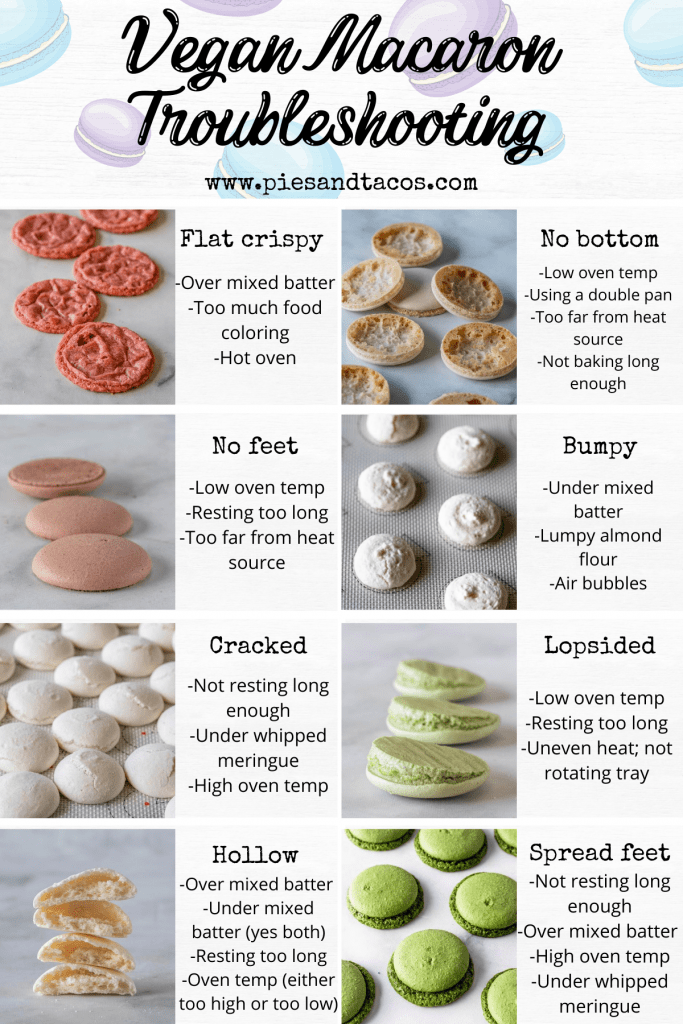
Credit: www.piesandtacos.com
Frequently Asked Questions For Oven Won’t Maintain Temperature
Why Does My Oven Not Hold The Temperature?
If your oven is not maintaining temperature, it may be due to a faulty thermostat or heating element. The temperature sensor could also be malfunctioning, causing cooking issues. Try calibrating the oven or keeping the door closed. Contact a professional for help if these solutions don’t work.
Why Wont My Oven Reach The Set Temperature?
If your oven is not reaching the set temperature, there might be an issue with the temperature settings or sensor, calibration, heating element, or thermostat. These should be checked and repaired or recalibrated if necessary.
Why Does My Oven Keep Changing Temperature?
A faulty thermostat or heating element are the most common culprits when an oven can’t maintain temperature. Over time, wear and tear or exposure to high temperatures can cause the thermostat to become less accurate, causing the oven to cycle on and off more frequently than it should and leading to temperature fluctuations.
Check these components first to fix the problem.
What Are The Symptoms Of A Faulty Oven Thermostat?
If your oven temperature fluctuates, takes longer than usual to cook food, or cooks food unevenly, you may have a faulty oven thermostat. Additionally, if your oven doesn’t hold temperature or reaches an incorrect temperature, the thermostat may need calibration or replacement.
Conclusion
If your oven is struggling to maintain its temperature, there could be a variety of reasons why this is happening. Based on what we’ve learned, it’s likely that the issue is stemming from a faulty thermostat, heating element, or temperature sensor.
Fortunately, as we’ve seen in this post, these issues are usually fixable with some troubleshooting and potentially a few replacement parts. By addressing these problems head-on, you can get your oven back up to temperature and ready to handle all your cooking needs.