A malfunctioning thermostat, a faulty heating element, or a malfunctioning temperature sensor can cause an oven to not maintain its temperature. Are you frustrated because your oven won’t maintain its temperature?
It can be challenging and annoying, especially if you are in the middle of preparing a meal. It’s not uncommon for an oven to lose heat and not maintain its temperature. The most common causes of this issue are a faulty heating element, a malfunctioning thermostat, or a malfunctioning temperature sensor.
Additionally, a need for calibration or making sure the oven door is closed tightly can also cause temperature fluctuations. We’ll explore the reasons why your oven won’t maintain temperature and what you can do to fix it.
Common Causes For Oven Temperature Fluctuation
If your oven won’t maintain its temperature, possible culprits could be a damaged heating element, a broken electric oven thermostat, or a malfunctioning temperature sensor. Calibration and making sure the door is closed can also help, but it’s best to have a professional diagnose the issue.
en fails to maintain a steady temperature. However, there are other possible causes that could be contributing to the issue. In this section, we’ll explore some of the common causes for oven temperature fluctuation, including a damaged heating element, broken electric oven thermostat, malfunctioning control panel, and faulty temperature sensor.Damaged Heating Element
A damaged heating element can cause your oven to fluctuate in temperature. The heating element can sometimes lose heat if the connection is loose or incomplete. If your oven is not maintaining its temperature, then it could be a sign that the heating element needs to be replaced. Thankfully, this is a relatively simple fix that can be done by removing the old element and replacing it with a new one.Broken Electric Oven Thermostat
If your oven thermostat is broken, it can no longer regulate the temperature correctly, causing fluctuations in temperature. The oven thermostat is responsible for controlling the oven’s heating element and maintaining a consistent temperature. If you suspect that your oven thermostat is the culprit, it’s best to call in a professional technician to replace it.Malfunctioning Control Panel
A malfunctioning control panel can also cause your oven to fail to maintain the set temperature. If the control panel is not working correctly, it may not be able to communicate with the oven’s thermostat correctly. If you suspect that your control panel is causing the issue, it’s best to have a professional technician diagnose and fix the problem.Faulty Temperature Sensor
If your oven is not maintaining its temperature, it could be due to a faulty temperature sensor. The temperature sensor is the component in your oven that communicates with the control board to adjust the oven’s temperature. If the sensor is faulty, then it could be sending incorrect signals, causing your oven to fluctuate in temperature. This issue can be resolved by replacing the faulty temperature sensor with a new one. In conclusion, if your oven is not maintaining a consistent temperature, it could be due to a damaged heating element, broken electric oven thermostat, malfunctioning control panel, or faulty temperature sensor. By diagnosing the cause of the issue, you can identify the appropriate solution and fix the problem.
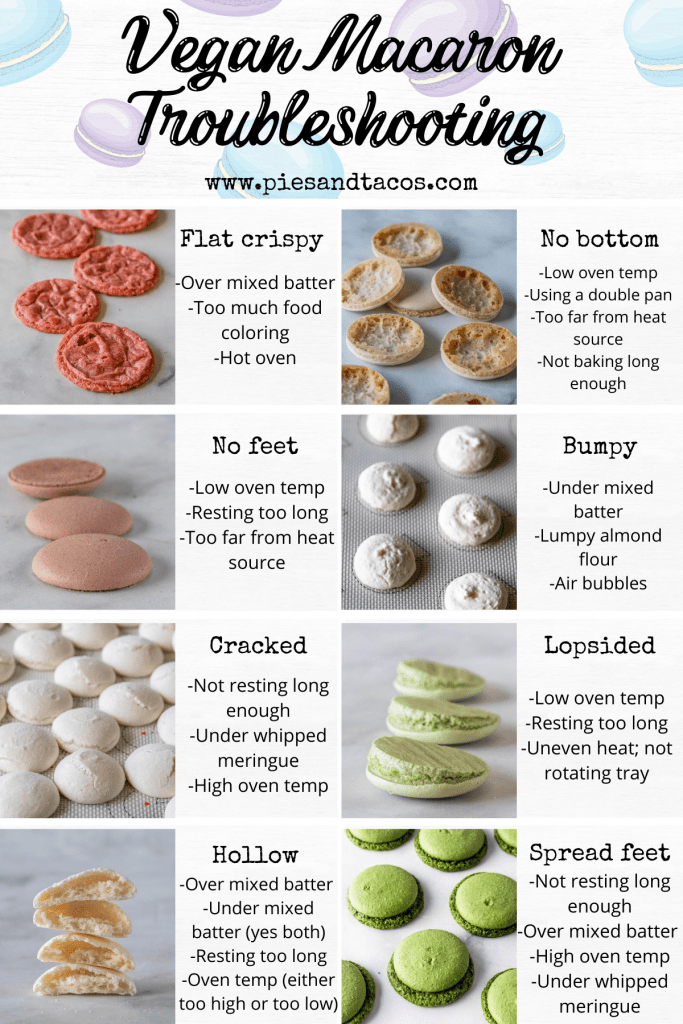
Credit: www.piesandtacos.com
Troubleshooting Tips For Oven Temperature Issues
If your oven is not maintaining its temperature, a malfunctioning thermostat, a faulty heating element, or a malfunctioning temperature sensor could be the cause. Try checking the connection of the heating element or calibrating the oven. If the issue persists, it may be time to call in a professional.
kitchen without a properly functioning oven can be a nightmare for any home cook. One of the most common issues with ovens is maintaining proper temperature. Whether you’re facing a fluctuation in temperature, inaccurate temperature readings, or an oven that won’t reach the desired temperature, there are several reasons why your oven may not be maintaining temperature as it should. In this article, we’ll explore some troubleshooting tips for oven temperature issues that can help you diagnose and fix the problem. We’ll cover everything from calibrating your oven to replacing the heating element, and more.Calibrating Oven Temperature
Calibrating your oven can help ensure accurate temperature readings and prevent your oven from overheating or underheating. If your oven is equipped with digital controls, refer to the owner’s manual for specific instructions on how to calibrate your oven. Alternatively, if your oven has analog controls, you can follow these simple steps to calibrate it:- Set your oven temperature to 350°F and let it preheat for about 15 minutes.
- Use an oven thermometer to verify the oven temperature.
- If the oven temperature is off by more than 10-15°F, you’ll need to adjust it.
- Locate the calibration dial on your oven’s temperature control panel.
- Use a small wrench or pliers to turn the calibration dial until the oven thermometer displays the correct temperature.
- Test the oven again at the desired temperature to ensure it is maintaining temperature properly.
Keeping The Oven Door Closed
One simple but often overlooked step in maintaining oven temperature is keeping the oven door closed during baking. When the oven door is open, heat escapes, causing the oven to lose temperature. This can result in overcooked or undercooked food, uneven baking, and a longer cooking time. To prevent the oven from losing heat, keep the oven door closed as much as possible. Use the oven light and window to check on your food instead of frequently opening the oven door.Replacing Heating Element
A damaged or faulty heating element can cause your oven to lose temperature or not heat up at all. The heating element is responsible for producing heat in the oven, and if it has become damaged or worn out, it may not be able to maintain the proper temperature. If you suspect that your heating element is the problem, you can check it for continuity using a multimeter. If the heating element doesn’t show continuity, it means it needs to be replaced.Repairing Thermostat
The thermostat regulates the temperature inside your oven. If it malfunctions, it can cause your oven to lose temperature or overheat. To check if your thermostat is functioning properly, you can use an oven thermometer to measure the temperature inside your oven at different settings. If the temperature is not consistent with the settings or is fluctuating, the thermostat may be the issue. You can have it repaired or replaced by a professional technician.Fixing Temperature Sensor
Another common reason for oven temperature issues is a faulty temperature sensor. The sensor detects the temperature inside the oven and signals the thermostat to turn the heating elements on or off. If the sensor is not functioning properly, it can cause the oven to heat up or cool down too much. You can test your temperature sensor with a multimeter to check for continuity. If it doesn’t show continuity, the sensor needs to be replaced.Checking Circuit Breaker
If your oven is not heating up at all, it may be due to an electrical problem. Check the circuit breaker to see if it has tripped. If the breaker has tripped, reset it and try the oven again. If the breaker continues to trip, you may need to call an electrician to investigate the problem.Calibrating Oven With Analog Controls
Calibrating an oven with analog controls involves adjusting the temperature control dial to make sure the temperature inside the oven matches the set temperature. To do this, follow these steps:- Place an oven thermometer inside the oven and set the oven to 350°F.
- Wait for the oven to fully preheat, then check the thermometer reading.
- If the thermometer is off, adjust the temperature control dial up or down as needed.
- Wait for the oven to preheat again and check the thermometer reading until it is at the desired temperature.
Preemptive Measures To Avoid Oven Temperature Issues
To avoid oven temperature issues, it’s important to regularly clean your oven and check for any damages in the heating element or thermostat. Keeping the oven door closed and ensuring proper calibration can also help maintain temperature consistency.
Preemptive Measures to Avoid Oven Temperature Issues Maintaining the Oven Regularly Preemptive measures can save you time, money, and frustration that come with a malfunctioning oven. One way to avoid oven temperature issues is to maintain the oven regularly. Make it a habit to wipe down spills and messes, replace oven filters, and clean accumulated grime to keep the oven working efficiently. You can also schedule a professional oven service, which can help identify and address potential problems before they escalate into major issues. Using the Oven as per User Manual Another way to prevent oven temperature problems is to use your oven as per the user manual. It may seem obvious, but many people don’t follow the manufacturer’s instructions, leading to various issues. For instance, overloading your oven can cause uneven heating and fluctuating temperatures, which can affect the cooking of your food and cause frustration. Using the wrong type of cookware, such as glass dishes on the stovetop, can also cause damage to the oven. To avoid oven temperature issues, ensure to read and follow the manufacturer’s instructions regarding how to use the oven safely and effectively. Avoiding Overloading Lastly, ensure you avoid overloading your oven. Overloading can cause hotspots and prevent the heat from circulating evenly, which can impact your oven’s ability to maintain a consistent temperature. Use your oven’s recommended number of racks and the right-sized cookware for the food you’re preparing to ensure consistent heat distribution. In conclusion, maintaining your oven regularly, using it as per the user manual, and avoiding overloading are excellent preemptive measures to avoid oven temperature issues. By following these measures, you can keep your oven running smoothly and enjoy perfectly cooked meals every time.How To Determine Oven Temperature Accurately
If your oven can’t maintain its temperature, it could be due to a malfunctioning thermostat, faulty heating element, or malfunctioning temperature sensor. Simple fixes such as calibration or keeping the door closed may also help.
As a home cook, one of the most frustrating things that can happen in the kitchen is when your oven won’t maintain its temperature. Not only can this affect the quality of your food, but it can also be dangerous if certain foods aren’t cooked to the correct temperature. In this post, we’ll focus on how to determine oven temperature accurately. We’ll cover two methods: using an oven thermometer and calibrating the oven with a digital thermometer.Using An Oven Thermometer
One of the easiest ways to determine if your oven is maintaining the correct temperature is by using an oven thermometer. This is a tool that can be purchased at any kitchen supply store and is relatively inexpensive. The way it works is by being placed in your oven and giving you a reading of the actual temperature inside the oven, which can be compared to the temperature that your oven display shows. To use an oven thermometer, first preheat the oven to the desired temperature. Then, place the thermometer in the center of the oven and close the door. Allow the oven to heat for at least 15-20 minutes and then check the thermometer reading. If it’s different from what your oven display shows, then you know that your oven isn’t maintaining the correct temperature.Calibrating The Oven With A Digital Thermometer
If you’ve determined that your oven isn’t maintaining the correct temperature, then it’s time to calibrate the oven. To do this, you’ll need a digital thermometer. The first step is to preheat your oven to a specific temperature, such as 350 degrees Fahrenheit. Then, take your digital thermometer and hang it from the center rack of your oven. Be sure that it’s not touching any surfaces and that it’s not leaning against the walls or door of the oven. Allow the oven to heat for at least 15-20 minutes. Then, open the oven and check the temperature on the digital thermometer. If it’s not the same as the temperature that you set the oven to, then you’ll need to make adjustments. Consult your oven’s manual for specific instructions on how to calibrate your oven. In some instances, there may be a calibration knob or screw that needs to be adjusted. In conclusion, there are two ways to determine oven temperature accurately: using an oven thermometer and calibrating the oven with a digital thermometer. The most important thing is to ensure that your oven is maintaining the correct temperature for optimal cooking results.Expert Advice For Handling Complex Oven Temperature Issues
If your oven is struggling to maintain a consistent temperature, there could be multiple reasons behind it. Issues such as a malfunctioning thermostat, heating element or temperature sensor may cause this problem. You can try recalibrating your oven or keeping the door closed to fix the issue.
Oven temperature issues can be complex and frustrating. It is not uncommon for ovens to experience problems with maintaining their set temperatures. This can lead to overcooked or undercooked food, causing inconvenience and disappointment. However, there are various solutions to this problem, and we have expert advice to help you handle these issues effectively. In this article, we will discuss the best expert advice for handling complex oven temperature issues, including consulting an oven repair professional, replacing major components, and calibrating your oven.Consulting An Oven Repair Professional
If your oven is experiencing temperature issues, it may be time to consult an oven repair professional. An expert can inspect and diagnose the problem, recommend solutions, and even perform necessary repairs. Their professional expertise ensures that the problem is adequately addressed, avoiding further damage to your oven, saving you time, money, and energy. Oven repair professionals also know how to handle various oven brands, models, and types, making them well-equipped to solve any temperature issues you may experience.Replacing Major Components
Another effective solution to complex oven temperature issues is replacing major oven components. This includes replacing the oven heating element, thermostat, temperature sensor, and control panel. These parts are essential in regulating the oven’s temperature, and any damage or malfunction can lead to inconsistent temperatures. Replacing faulty components ensures that your oven runs efficiently, maintains its temperature accurately, and lasts longer.Calibrating Your Oven
Finally, calibrating your oven can solve temperature issues. This involves adjusting the internal temperature settings to match your desired temperature. You can calibrate your oven by using a thermometer to confirm the current temperature, then adjusting the oven temperature settings accordingly. Calibrating your oven ensures that the actual temperature matches the set temperature, eliminating temperature fluctuations, and guaranteeing consistent cooking results. In conclusion, managing temperature issues in your oven requires technical expertise and a willingness to explore various solutions. While consulting an oven repair professional, replacing major oven components, and calibrating your oven are effective, follow proper maintenance routines to prevent further damage to your oven. By adhering to expert advice, you can restore your oven’s temperature maintenance capabilities, and enjoy consistent and reliable cooking results.
Credit: www.abeautifulplate.com
Credit: www.epicurious.com
Frequently Asked Questions On Why Won’t My Oven Maintain Temperature
Why Is My Oven Not Keeping Temperature?
One common reason why an oven may not keep its temperature is a damaged heating element. If it’s still turning on, it could possibly have a loose or incomplete connection causing it to lose heat. Another reason could be a malfunctioning thermostat, faulty temperature sensor, or the need for calibration.
Why Does My Oven Temperature Keep Resetting?
A broken electric oven thermostat could be the reason your oven temperature keeps resetting. The thermostat regulates the temperature, and if it’s malfunctioning, it may cause fluctuation and inability to maintain a stable temperature. Another common cause is a damaged heating element that loses heat due to loose or incomplete connection.
Consider troubleshooting, calibrating, or replacing the parts to fix the issue.
How Do You Keep A Oven Temperature Consistent?
To keep oven temperature consistent, ensure that the oven door is closed properly, use an oven thermometer to check the temperature, avoid opening the oven door frequently, and have the oven calibrated regularly. Also, ensure that the heating element, thermostat, and temperature sensor of the oven are not damaged.
Why Is My Oven Not Heating To Set Temperature?
One of the most common reasons for an oven not maintaining its temperature is a damaged heating element. Even if the heat comes on, the connection may be incomplete or loose, causing the oven to lose heat. Another possible cause could be a malfunctioning thermostat, faulty temperature sensor, or control panel.
Check your circuit breaker for a blown fuse and replace any faulty parts as needed. Calibration and keeping the oven door closed can also help maintain temperature consistency.
Conclusion
A malfunctioning thermostat, a faulty heating element, a malfunctioning temperature sensor, or simply a need for calibration, are the most common culprits for an oven not maintaining its temperature. It is important to troubleshoot the issue before attempting to replace any parts or attempting any repairs.
By doing so, you may save money and ensure your oven is working properly and efficiently. Regular maintenance is key in keeping your oven running smoothly.