To maintain a commercial oven, daily interior and cooktop burners cleaning, cleaning oven racks, clearing out crumbs, inspecting the door frequently, looking for grease buildup on fans, and recalibrating the thermostat are essential. Commercial ovens should be cleaned out and wiped down daily with more deep cleanings happening weekly or even monthly depending upon usage to extend time between deep cleans.
Keeping a commercial oven in peak condition is vital for the success of any restaurant or food chain. Neglected oven maintenance can lead to food contamination, high energy costs, and potential equipment malfunction. Therefore, it is crucial to develop a scheduled cleaning and maintenance plan for commercial ovens.
Whether you own a bakery, pizzeria, or any other restaurant that heavily relies on your oven, regular cleaning and maintenance can save you from unexpected and costly repairs. This article highlights essential tips for maintaining your commercial oven, including thorough interior cleaning, calibrating internal temperature, inspecting burners, and replacing water.
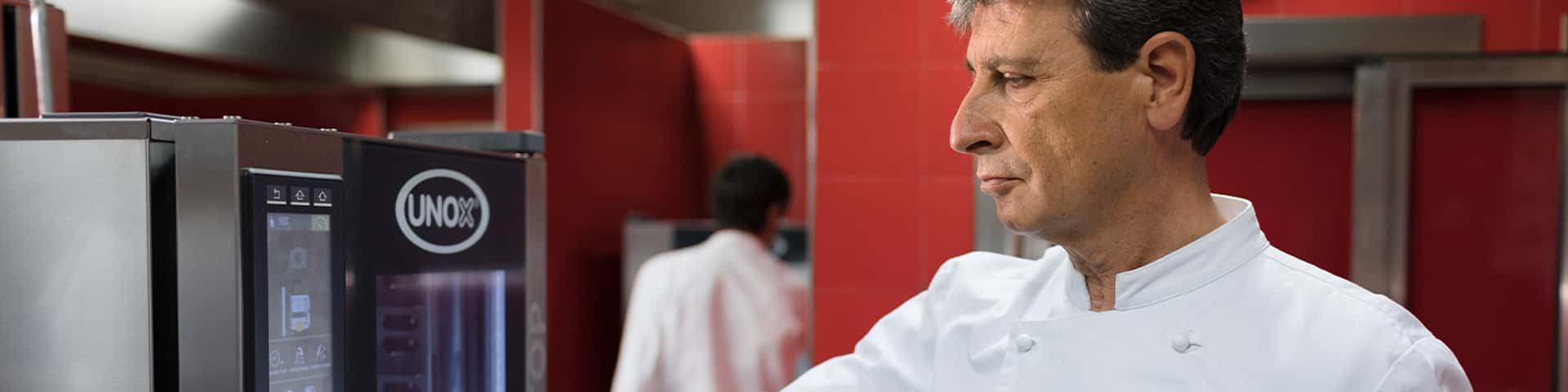
Credit: www.unox.com
Importance Of Commercial Oven Maintenance
Regular commercial oven maintenance is crucial for ensuring optimal performance and longevity of the appliance. Maintaining clean interiors, regularly inspecting the door, burners, fans and recalibrating the thermostat can significantly increase the lifespan of your oven. Plan daily cleaning and wipe-downs between uses with deep cleans happening weekly or monthly, depending on usage.
Ensuring Efficient Cooking
Commercial oven maintenance is crucial to ensuring that it operates at optimal efficiency. Over time, ovens accumulate grease and grime, which can cause serious problems if left unaddressed. Accumulation of grease and other cooking residues can cause uneven heating, which can negatively impact the quality of your food. Inefficient cooking leads to longer cooking times, increasing energy consumption, and repair costs. Regular cleaning and maintenance, particularly of the interior and cooktop burners, helps to prevent food buildup and other harmful residues. This, in turn, leads to more efficient cooking times, less energy use, and ultimately saves your business money.Saving On Repair Costs
Regular maintenance of your commercial oven can save you money in the long run. A poorly maintained oven is more likely to breakdown, leading to more expensive repair bills. An efficient, well-maintained oven reduces the occurrence of breakdowns, which reduces repair costs and increases the lifespan of your appliance. Simple tasks like cleaning the oven racks, clearing out crumbs, and inspecting the door can make a significant difference in maintaining your oven’s longevity. Preventive maintenance services, such as recalibrating the thermostat, looking for grease buildup on fans, and specialized cleaning, can also help avoid costly repairs and extend the life of your oven. Investing in preventive maintenance can save you money in the long run and keep your oven operating at optimal efficiency. In conclusion, regular maintenance plays a critical role in the operational efficiency of your commercial oven. Daily and weekly cleaning, as well as more specialized maintenance tasks, helps to ensure that your oven is clean, efficient, and operating safely. Scheduled preventive maintenance alongside cleaning needs can help prevent costly repairs and prolong the life of your appliance. Save yourself from unexpected repairs and downtime and make it a priority to maintain your commercial ovens regularly!Daily Commercial Oven Maintenance
Proper daily maintenance of commercial ovens is crucial to ensure safe and efficient operation of your appliance. Daily cleaning of interior and cooktop burners, clearing out crumbs, inspecting the door, looking for grease buildup, and recalibrating the thermostat are all important steps to perform on a routine basis.
Additionally, commercial ovens should be deep cleaned and wiped down at least twice a year.
Clean The Interior And Cooktop Burners
Keeping the interior of your commercial oven clean is crucial for preventing potential fire hazards. Daily interior and cooktop burners cleaning can help maintain the hygiene level of your oven and ensures that it functions efficiently. The best way to clean the oven interior is to wipe down the surfaces with a damp cloth, removing any food or grease buildup as fast as possible. Additionally, regularly removing the grates and burners from the cooktop and scrubbing them with soap and water, is also essential to prevent damage to the burners.Clear Out Crumbs
Clearing out the crumbs every time you use the oven is important for various reasons. Removing any debris from the oven before cooking, prevents burning smells and smoke from escaping and provides a transparent cooking surface free of unwanted leftovers. Over time, food debris can accumulate on the floor of your oven, and it can cause bacteria and other contaminants, which are especially harmful to customers with allergies. Therefore, it is essential to clear out the crumbs efficiently to keep your customers safe.Inspect The Door Frequently
Ensure you inspect the oven’s door frequently to prevent any leaks or damages to the seal of the oven. It’s best to check for any cracks or damages in the door every time you clean the oven. The seal around the oven should be tight to prevent heat from escaping because heat escaping from the oven’s gaps can increase the electricity bill of a commercial kitchen. Overall, daily commercial oven maintenance is essential to the longevity of your kitchen equipment. It is crucial to follow the manufacturer’s guidelines for maintenance and repair to avoid unnecessary damages to your oven. Additionally, hiring a professional maintenance company to carry out checks, repairs, and maintenance can help keep your oven in top condition and ensure that it serves your kitchen reliably for longer.Weekly/monthly Commercial Oven Maintenance
Regular maintenance of commercial ovens is important for their longevity and safety. Daily cleaning of interior and cooktop burners, clearing out crumbs, inspecting the door frequently, looking for grease buildup on fans, and recalibrating the thermostat are some of the simple ways to maintain a commercial oven.
Deep cleaning should happen at least twice a year and more often if it is frequently used.
Weekly/Monthly Commercial Oven Maintenance Commercial ovens are essential appliances that are central to the operation of various food establishments such as restaurants, bakeries, and cafes. As a result, it is crucial to ensure the ovens are well-maintained to prevent breakdowns that may result in lost revenue and disappointed customers. Clean the Oven Racks Cleaning the oven racks is an important aspect of oven maintenance. Dirty or greasy oven racks can affect the quality of the food and cause unpleasant odors during cooking. For instance, you can use special cleaners or soaps like baking soda and vinegar to wash and scrub away grease and food debris. Inspect the Door Frequently One aspect of the oven that requires regular inspection is the door. The door seals should be checked frequently to ensure that there are no cracks, tears or other forms of damage. Damaged door seals can lead to heat loss and uneven heating which may cause food to cook unevenly. Look for Grease Buildup on Fans The internal fans in commercial ovens play an essential role in circulating air to ensure that heat is evenly distributed throughout the oven. Over time, the internal fans can accumulate grease and other debris, causing them to become less efficient. Regularly checking and cleaning the fans can help prevent this from happening. In conclusion, carrying out regular weekly/monthly commercial oven maintenance is essential to prevent downtime, ensure consistent temperature and cooking times, and extend the life of the oven. Clean the oven racks, inspect the door frequently, and look for grease buildup on fans to keep your commercial oven running smoothly.Deep Cleaning Commercial Ovens
Proper commercial oven maintenance includes daily interior and cooktop burners cleaning, cleaning of oven racks, clearing out crumbs, inspecting the door frequently, checking for grease buildup on fans, and recalibrating the thermostat. Deep cleaning should be done at least twice a year, with more frequent cleanings depending on usage.
Debris should be cleaned out in between cooking cycles to extend time between deep cleans.
Commercial ovens are an essential part of any restaurant and require regular maintenance to function efficiently. Deep cleaning is one of the most critical aspects of commercial oven maintenance. Properly cleaning your commercial oven not only improves its performance but also helps extend its lifespan.Perform Deep Cleaning Twice A Year
Deep cleaning your commercial oven at least twice a year should be a part of your restaurant’s maintenance schedule. Failure to perform deep cleaning can lead to several risks, including fire outbreaks and health hazards. Regular maintenance helps improve the oven’s efficiency, allowing it to consume less energy and function optimally.Clean Your Range Hood Filter
The range hood filter helps to remove smoke, grease, and other cooking residues that may accumulate in your oven’s air ducts. Neglecting your range hood filter can have adverse effects on your restaurant’s indoor air quality, leading to respiratory health issues. Cleaning your range hood filter helps to improve the optimal airflow in the oven, which can significantly reduce the risk of fire and also improve the overall efficiency.Cook Responsibly
Cooking responsibly is crucial in maintaining your commercial oven. Overloading your oven, for instance, can lead to increased energy consumption, reduced efficiency, and burn-out of some oven parts. Always follow the manufacturer’s instructions to properly operate your oven, which helps to minimize your maintenance workload. In summary, commercial oven owners should prioritize performing deep cleaning twice a year, cleaning their range hood filter and cooking responsibly. By following these essential steps, your commercial oven will remain in excellent condition, guaranteeing optimal performance.Calibrating And Inspecting Your Commercial Oven
Ensuring your commercial oven is properly calibrated and inspected is crucial for maintaining its efficiency and longevity. This involves regular cleaning of interior surfaces and burners, inspecting the door and fans for grease buildup, and recalibrating the thermostat as needed.
Daily interior and cooktop burners cleaning is recommended, while more thorough cleanings can happen weekly or monthly depending on usage. Regular maintenance can help prevent costly repairs and replacements down the line.
Calibrate Interior Temperature
To ensure your commercial oven is operating efficiently, it’s important to calibrate the interior temperature regularly. This process involves adjusting the thermostat to ensure that it is accurately measuring the temperature of the oven’s interior. You can use a thermometer to check the temperature accuracy and adjust your thermostat accordingly. This is a critical task for any commercial kitchen to ensure consistent cooking results and avoid under or overcooking your dishes.
Inspect Burners And Pilot Light
Inspecting the burners and pilot light regularly is crucial to maintain the safety of your commercial oven. Check for any signs of damage or abnormal functioning of the burners or pilot light. Notice any loose connections, corrosion, or clogs in the burner ports. Clean the burners, ports, and the surrounding area regularly to avoid fire hazards and ensure your oven is running smoothly and efficiently.
Check Behind Your Range
For thorough commercial oven maintenance, don’t forget to check behind your range regularly. This includes the area around the oven, including the walls, flooring, and other appliances. Look for any signs of grease buildup, debris or dust accumulation, or leaks. Cleaning behind your range is essential to avoid fire hazards, keep your kitchen sanitary, and maintain the overall functionality of your commercial oven.
Making sure that the aforementioned maintenance tasks are done regularly will significantly reduce the likelihood of your commercial oven breaking down abruptly. Further reduced risks of accidents and a potentially dangerous working environment around your commercial oven. To minimize equipment downtime, loss of income, and stress, you should implement a maintenance schedule.

Credit: www.facebook.com
Diy Commercial Oven Cleaning Vs. Professional Services
Keeping a commercial oven well-maintained is crucial to ensure optimal performance and safety. While there are DIY methods to clean and maintain commercial ovens, hiring professional services can save time, effort, and may provide better results. Commercial oven maintenance should include daily interior and cooktop burners cleaning, weekly deep cleanings, and monthly cleaning of burners and grates.
DIY Commercial Oven Cleaning vs. Professional Services: When it comes to maintaining your commercial oven, there are two choices: do it yourself or get professional help. While DIY commercial oven cleaning may seem like a cost-effective and feasible option, it can lead to disastrous results if not done properly. On the other hand, professional commercial oven cleaning services can cost you some extra bucks but offer a better and long-lasting solution. In this section, we’ll explore both options, highlighting their pros and cons. H3: How to Clean a Commercial Bakery Oven Keeping your commercial oven clean and well-maintained is essential to ensure correct operation and avoid any unnecessary repairs. Here are some steps to clean a commercial bakery oven: – Daily Interior and Cooktop Burners Cleaning: Clean the oven’s interior and cooktop burners daily to avoid any food buildup, grease, and crumbs accumulation. Use a damp cloth with warm, soapy water to clean these areas. – Clean the Oven Racks: Remove the oven racks and wash them with warm soapy water. – Clear out Crumbs: Clear any bread crumbs and food debris from the oven. – Inspect the Door Frequently: Check the oven’s door gasket every day for any damage or buildup of loose dirt particles. – Look for Grease Buildup on Fans: Clean the oven’s fans with a dry cloth and remove any grease buildup. – Recalibrate the Thermostat: Recalibrate the oven’s thermostat regularly to ensure that it’s functioning correctly. – Cleaning for Specialized Ovens: If you have specialized ovens, please follow the manufacturer’s manual on cleaning instructions. H3: Commercial Oven Cleaning and Maintenance Tips A well-maintained commercial oven ensures your business runs smoothly without any interruption. Here are some tips to keep your commercial oven well maintained: – Regular professional cleaning: Get your commercial oven cleaned by professionals at least once or twice a year, depending on usage. – Daily cleaning: Clean the interior and cooktop burners daily to ensure there is no buildup of grease, food particles, and crumbs. – Regular inspection: Inspect the oven’s door, fans, and other parts to check for any damage or wear and tear. – Keep the oven’s exterior clean: Keep the oven’s exterior clean and free from dirt, grime, and grease buildup. – Replace worn-out parts: Replace any worn-out parts such as gaskets or burners to ensure your oven is functioning correctly. – Follow the manufacturer’s instructions: Always follow the manufacturer’s instructions for cleaning and maintenance. H3: Finding Trusted Commercial Oven Repair Services Ensuring that your commercial oven is well-maintained and serviced regularly is essential for it to run smoothly. Here are some tips to find a trusted commercial oven repair service: – Ask for referrals and recommendations from friends or colleagues who have used commercial oven repair services before. – Look up online reviews and ratings of commercial oven repair services. – Check the service provider’s certifications and licenses to ensure they are authorized to provide such services. – Ask for a written quote or estimate before hiring the service provider. – Verify their insurance and liability coverage. – Check their availability for emergency repairs or servicing. In conclusion, keeping your commercial oven well-maintained is crucial for your business’s smooth functioning. While DIY commercial oven cleaning may seem like a cost-effective option, it is always advisable to seek professional help to ensure correct operation and avoid any unnecessary repairs. Additionally, regular cleaning and maintenance of the oven can help extend its lifetime and save you from costly repairs.Consequences Of Poor Commercial Oven Maintenance
Commercial ovens are an essential component of any functional commercial kitchen. However, the performance and longevity of your commercial oven depend on how well you maintain it. Failing to maintain your commercial oven can lead to various consequences that will cost you money, diminish the quality of your food, and affect your daily operations. Here are some of the consequences of poor commercial oven maintenance.
Increased Repair Costs
Poor maintenance practices can lead to malfunctions, breakdowns, and damages that necessitate expensive repairs. With time, minor issues can escalate into worse problems that can lead to costly repairs, and in some instances, replacement of the oven.
Degraded Cooking Quality
Commercial ovens that are not well-maintained can produce food that is not of the desired quality. Dirty ovens produce food with an unpleasant smell, odd taste, and burnt appearance. You also risk uneven cooking, which can compromise the taste, texture, and overall quality of your dishes. Additionally, failing to recalibrate the oven’s thermostat can lead to inaccurate temperature readings, which can lead to undercooked or overcooked food.
Shorter Lifespan For Your Oven
Commercial ovens are a significant investment for any kitchen, and you want to get the most out of them. Poor maintenance practices can affect the lifespan of your oven, forcing you to replace it sooner or pay for costly repairs. Regular cleaning, inspections, and tune-ups can help extend the lifespan of your commercial oven, safeguarding your investment.
Therefore, ensure that you regularly clean, inspect, and maintain your commercial oven to ensure optimal performance and longevity. Regularly engage the services of professional oven repair and maintenance experts to catch any issues early and prevent costly breakdowns.
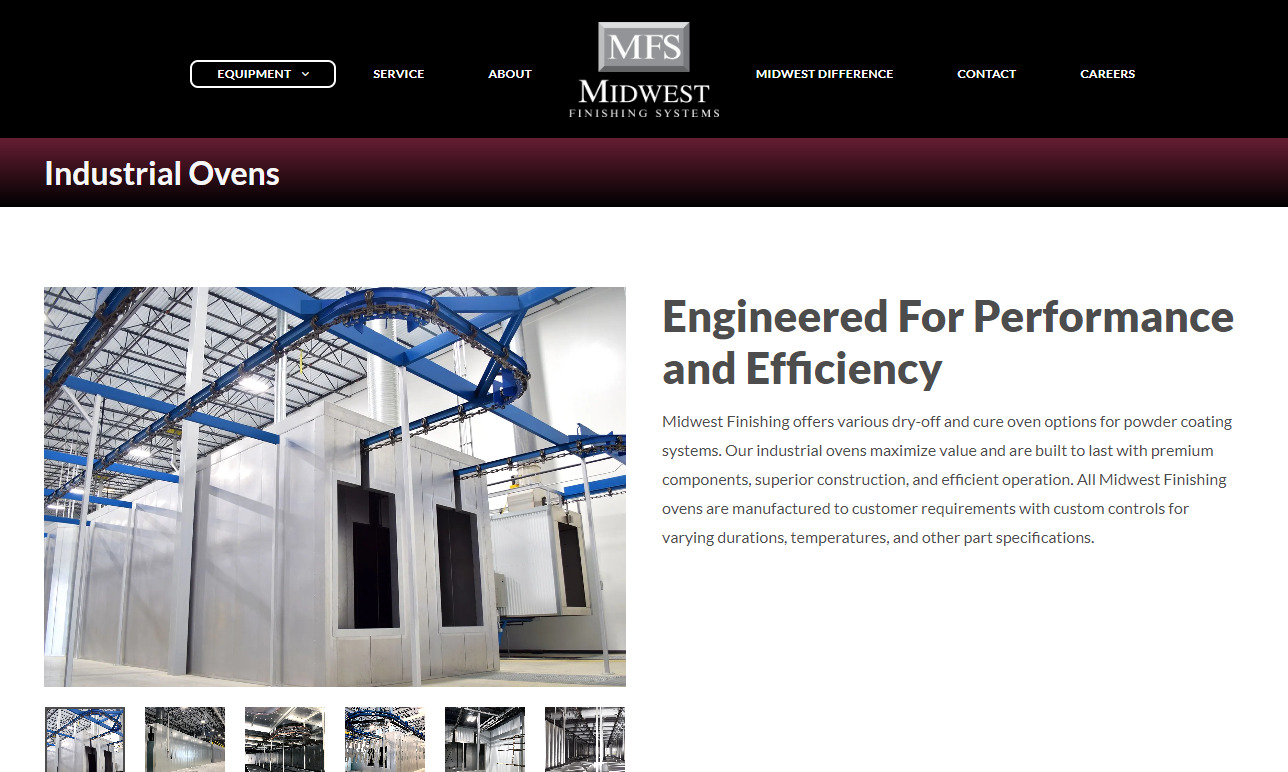
Credit: www.industrial-ovens.net
Frequently Asked Questions Of Commercial Oven Maintenance
How Do You Maintain A Commercial Oven?
To maintain a commercial oven: clean the interior and cooktop daily, clean oven racks and clear out crumbs, inspect the door and look for grease buildup on fans, recalibrate the thermostat, and have deeper cleanings weekly or monthly. Additionally, inspect the gas line, replace damaged burners, clean the range hood filter, and cook responsibly.
For specialized ovens, refer to manufacturers’ instructions and consult a professional technician as needed.
How Often Should Commercial Ovens Be Cleaned?
Commercial ovens should be cleaned daily, wiped down with deep cleanings happening weekly or monthly, depending on usage. Debris should be cleaned between cooking cycles. Inspect the door and look for grease buildup on fans. Recalibrate the thermostat periodically. Cleaning out crumbs and racks is also essential.
What Is The Proper Maintenance Of Oven?
To properly maintain an oven, follow these steps: 1) Clean interior and cooktop burners daily 2) Deep clean the oven at least twice a year 3) Use the self-cleaning option sparingly 4) Inspect gas line and burners 5) Check oven gasket and range hood filter 6) Cook responsibly.
Cleaning should be performed daily, with deep cleaning scheduled weekly or monthly as per usage. It is also recommended to inspect the door and fans for grease buildup and recalibrate the thermostat. To clean a commercial bakery oven, refer to a service technician.
How Do You Clean A Commercial Bakery Oven?
To clean a commercial bakery oven, follow these tips: daily interior and cooktop burners cleaning, clean oven racks, clear out crumbs, inspect the door frequently, look for grease buildup on fans, recalibrate the thermostat, and perform deep cleanings weekly or monthly depending on usage.
Also, soak and scrub burners and grates once a month and replace damaged burners. Remember to clean behind your range and cook responsibly.
Conclusion
Maintaining a commercial oven is essential to ensure that your kitchen functions smoothly without any interruptions. By following the cleaning and maintenance tips mentioned in this blog post, you can extend the lifespan of your oven and prevent any major breakdowns.
Regular cleaning of the interior cabinet, inspecting the burners and pilot light, replacing damaged parts and recalibrating the thermostat can help keep your commercial oven in top condition. By making commercial oven maintenance a routine, you can guarantee a consistent baking experience and ensure customer satisfaction.