Maintaining a laboratory oven requires proper cleaning, regular inspection, and handling with care during usage. To clean the exterior and interior surfaces, a wet and soft cloth with a neutral detergent is recommended.
MEK should be used for removing stubborn stains on the stainless steel surface. It is necessary to inspect for any loose or damaged wiring, water and heat damage, or other visual defects. When using the oven, stand to one side when opening the door to avoid high temperature.
Lubricating motor bearings, checking panel indicator lights, and inspecting fuses are essential for maintaining industrial ovens. This article will provide an in-depth guide to maintaining lab ovens, including cleaning tips and proper procedures during usage.
Understanding Lab Oven Maintenance
Maintaining lab ovens is crucial for proper operation and accurate results. To keep them in good condition, regularly inspect for visual defects, clean using appropriate detergents, avoid using disinfectants, keep wiring tidy, and cut off the power supply before cleaning.
power supply and let the equipment cool down. Understanding lab oven maintenance is essential for maintaining the quality and accuracy of laboratory experiments. Several factors can affect the performance of a laboratory oven, from regular wear and tear to environmental factors. Proper maintenance can ensure that the laboratory oven lasts longer and performs optimally. In this blog post, we will explore the importance of maintaining lab ovens. We will also look at the risk mitigation strategies involved in ensuring that lab ovens perform at their best.Importance Of Maintaining Lab Ovens
Lab ovens are vital equipment in a laboratory setting. They are used for a variety of purposes, from drying samples to heating materials. The accuracy and precision of the oven are essential in ensuring that the results obtained from laboratory experiments are reliable. Therefore, regular maintenance of lab ovens is crucial to ensure that they remain in good working condition. Neglecting routine maintenance of lab ovens can lead to a host of problems such as inaccurate results, decreased efficiency, and even equipment failure. Moreover, proper maintenance ensures that the laboratory oven is safe to use, preventing accidents that may harm the user or damage the equipment.Risk Mitigation
To mitigate the risks associated with lab ovens, it is essential to perform regular maintenance. Regular maintenance practices include cleaning, inspection, and calibration of the laboratory oven. Cleaning involves wiping the exterior and interior surfaces of the oven to remove dust, dirt, and other debris that could interfere with the performance. Inspection involves checking the oven’s wiring and other components for damage or wear and tear. Calibration ensures that the oven’s temperature accuracy is within the desired range. It is also vital to ensure that lab ovens are located in a suitable environment that maintains optimal performance. Ovens should be protected from moisture and humidity, and their positioning should be away from other heat-generating sources. Additionally, it is crucial to train laboratory personnel on proper handling and usage of lab ovens to prevent damage and enhance safety. In conclusion, maintaining a laboratory oven is crucial to ensure that it performs optimally and safely. Proper maintenance practices such as cleaning, inspection, calibration, and environmental optimization can ensure that lab ovens last longer and produce accurate results. Neglecting these practices can lead to equipment damage, inaccurate results, and safety hazards. Therefore, it’s necessary to stay vigilant with laboratory oven maintenance practices to ensure optimal performance.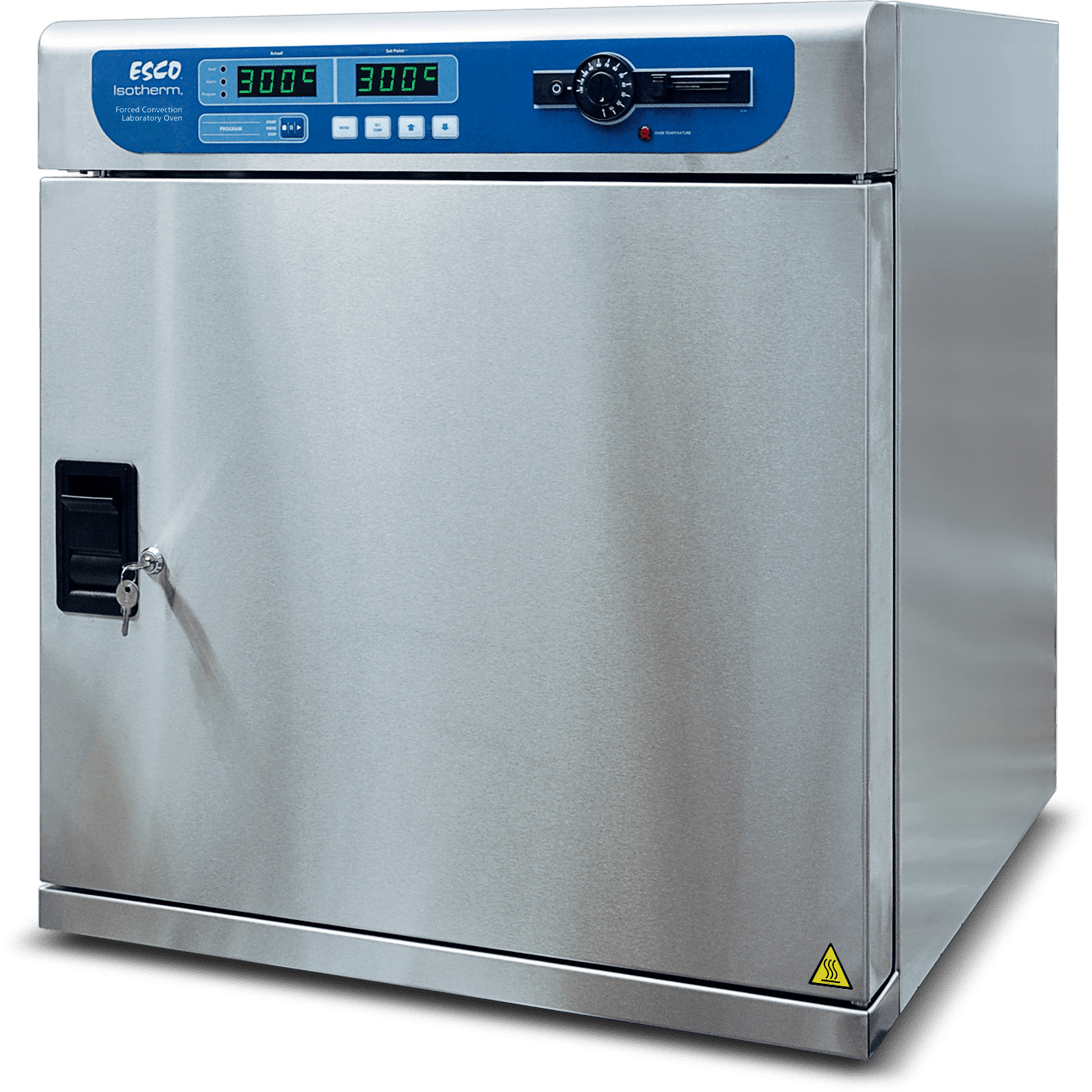
Credit: www.escolifesciences.com
Cleaning And Maintaining Lab Ovens
Proper maintenance of lab ovens is crucial for ensuring accurate results and prolonging the life of the equipment. Before cleaning, ensure to cut off the power supply and use a wet cloth to wipe the interior and exterior surfaces. It is recommended to use a neutral detergent for the control panel and MEK for removing stubborn stains on stainless steel surfaces.
incubators are essential to keep these crucial instruments in top shape. Cleaning and maintaining lab ovens are crucial for accurate and reliable results. Under the subheading “Cleaning and Maintaining Lab Ovens,” we will discuss the necessary precautions, cleaning the exterior and interior surfaces, and cleaning the control panel. These steps will help in keeping your laboratory ovens functioning at their optimal levels for extended periods, ensuring accurate and reliable results in your research.Precautions
Before starting, make sure to cut off the power supply to avoid any accidents. Ensure to stand on one side when opening the door to avoid high temperature. Keep the oven’s wiring tidy and away from other heat-generating sources. Regularly inspect the oven for any loose or damaged wiring, water, and heat damage, or other visual defects.Cleaning Exterior And Interior Surfaces
Keep the lab oven clean and wipe exterior and interior surfaces using a soft, wet cloth. Before cleaning, make sure to turn off the oven, disconnect it from the power source, and wait for the oven to cool down completely. Make sure the door gasket is clear of dirt, debris and is lubricated. For stubborn stains or spots on the stainless steel surface, use MEK (Methyl-Ethyl-Ketone) to remove them. Do not use abrasive cleaners or harsh chemicals to avoid damaging the stainless steel surface.Cleaning The Control Panel
Regular cleaning of the control panel is necessary to ensure that it stays clean and functioning. Wipe the panel using a neutral detergent to avoid the buildup of dirt, dust, grease, or moisture that can affect the control panel’s operations. Do not use a high-pressure water jet or spray to clean the control panel since this may damage the components. Before starting cleaning make sure the oven is turned off.Industrial Oven Maintenance
Maintaining a lab oven is crucial to ensure accurate and consistent results. To maintain your lab oven properly, you should regularly inspect the interior and exterior, clean it with a soft cloth, lubricate the motor bearings, and check emergency stop buttons and indicator lights.
Take proper precautions to avoid high temperature risks and inspect wiring regularly for heat or water damage.
Industrial Oven Maintenance Industrial ovens play a crucial role in various industries, performing tasks such as baking, drying, and curing. However, just like any other equipment, they require regular maintenance to function optimally. In this post, we will focus on industrial oven maintenance, and some of the critical aspects to observe. Inspecting the Interior of the Oven One of the fundamental maintenance practices for an industrial oven involves inspecting the interior components regularly. Inspecting the oven’s inner walls, heating elements, and air returns can help identify any potential issues early enough before they escalate. Ensure that the oven is not functioning and give it time to cool before inspecting it. Lubricating Motor Bearings The motor bearings play a significant role in ensuring the oven’s smooth operation. Lubricating the motor bearings is essential to prevent them from wearing out quickly. Lack of lubrication can result in excessive friction, which can damage the bearings, causing the equipment to malfunction. Thus, it is essential to lubricate motor bearings regularly, as per the manufacturer’s guidelines. Checking Emergency Stop Buttons and Fuses Another crucial aspect of industrial oven maintenance involves checking the emergency stop buttons and fuses. Emergency stop buttons are critical safety features that can help prevent accidents and limit damages in case of an equipment malfunction. Ensure that the emergency stop buttons are functioning correctly. Also, inspect the oven’s fuses regularly to verify that they are not damaged or discolored. Replace damaged or worn-out fuses with new ones as soon as possible to prevent further problems. Conclusion Regular maintenance of industrial ovens is essential to ensure their optimum performance and longevity. Observing these critical aspects of industrial oven maintenance, such as inspecting the interiors, lubricating motor bearings, and checking emergency stop buttons and fuses, can go a long way in preventing equipment breakdowns and improving safety.
Credit: ehs.utk.edu
Best Practices For Laboratory Oven Maintenance
It’s crucial to maintain laboratory ovens for optimal performance. To ensure safe and efficient operation, always turn off the power before cleaning, use a wet cloth for the interior and exterior surfaces, and inspect regularly for any damage or loose wiring.
MEK can be used for stubborn stains on stainless steel surfaces.
Wiping Interior Surfaces With Mild Detergent
Regularly wiping the interior surfaces of laboratory ovens with mild detergent is a crucial aspect of maintaining their performance. This should be done after every use to avoid any buildup of contaminants that could interfere with sensitive experiments. A clean interior also ensures that the oven is operating at the optimal temperature and reduces the risk of contamination of samples or experiments.Avoiding Chlorine Disinfectants
Chlorine disinfectants should be avoided when cleaning laboratory ovens as they can damage the stainless steel surfaces and also leave a residue which could lead to contamination of samples. Instead, alcohol-based disinfectants or hydrogen peroxide can be used as they are effective in cleaning stainless steel and do not leave a residue that could affect experiments.Performing Preventative Maintenance Checks
Regular preventative maintenance checks should be conducted to ensure that your laboratory oven is always in good working condition. The checks should include inspecting the wiring, fuses, and other components for any signs of damage or wear. Lubricating motors and cleaning fans are also essential steps in preventing breakdowns and ensuring that the oven runs smoothly.Conclusion
Laboratory oven maintenance is crucial for ensuring that high-quality experiments are performed and that samples are not contaminated. By regularly cleaning the interior of the oven with mild detergent, avoiding chlorine-based disinfectants, and performing preventative maintenance checks, you can extend the lifespan of your laboratory oven and ensure that it runs smoothly for years to come.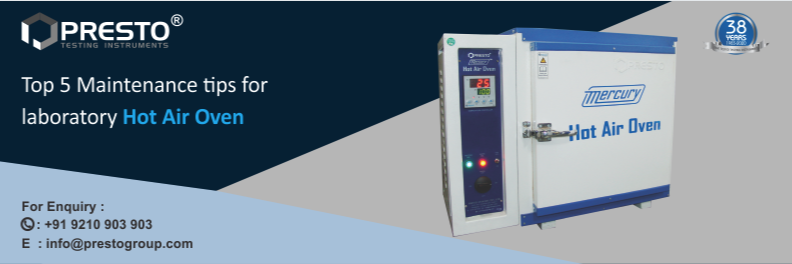
Credit: www.prestogroup.com
Frequently Asked Questions For Lab Oven Maintenance
How Do You Maintain A Laboratory Oven?
To maintain a laboratory oven, ensure to cut off the power supply before cleaning. Clean the exterior and interior surfaces with a wet and soft cloth, and use a neutral detergent in cleaning the control panel. You may use MEK for stubborn stains on the stainless steel surface.
Regularly inspect the oven for loose or damaged wiring, water and heat damage, and other visual defects. When opening the door, stand to one side to avoid high temperatures. Notify the lab manager if leaving the oven running overnight or for long periods.
What Precautions Should Be Taken During Laboratory Oven?
What precautions should be taken during laboratory oven? To ensure safety, take note of the following while using a laboratory oven: stand to one side when opening the door to avoid high temperature, keep the oven’s wiring tidy and away from other heat-generating sources to avoid electrical fire, and regularly inspect for any loose or damaged wiring, water and heat damage, or other visual defects.
Can I Leave A Lab Oven On Overnight?
It is not recommended to leave a lab oven on overnight without notifying the lab manager and following proper safety procedures, as this can pose a fire hazard. It’s important to inspect the oven regularly for any damage and properly maintain it by using a wet cloth to clean the interior and exterior surfaces.
For stubborn stains, it’s recommended to use MEK (Methyl-Ethyl-Ketone).
How Do You Maintain An Industrial Oven?
To maintain an industrial oven, regularly inspect the interior, lubricate motor bearings, check indicators and emergency stop buttons, and ensure there are no discolored or loose fuses. Turn off the power supply before cleaning, then wipe down surfaces with a wet cloth and neutral detergent, using MEK for stubborn stains.
Avoid chlorine disinfectants and keep wiring tidy and away from other heat sources to prevent electrical fires. Notify the lab manager when leaving the oven running overnight.
Conclusion
In order to ensure the longevity and uninterrupted performance of your laboratory oven, it is important to regularly maintain and clean it. Proper maintenance steps such as regularly inspecting the wiring and internal components, wiping down the interior and exterior with a soft cloth and detergent, and taking precautions when opening the door can prevent any damage or safety hazards.
By following these simple steps, you can ensure that your laboratory oven operates at its optimal level and serves your research needs for years to come.