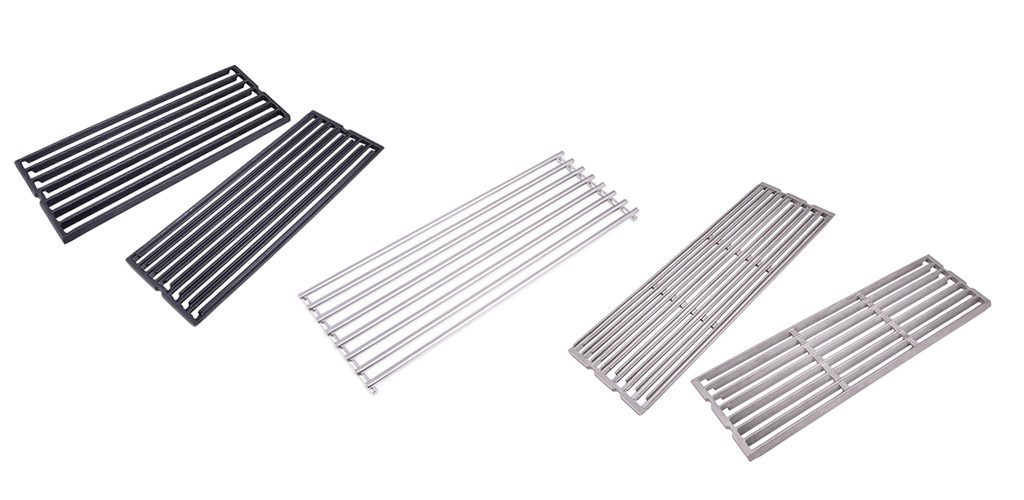
When it comes to gas grills, Cast Iron grates last longer, retain more heat and provide greater nonstick properties, while Stainless Steel grates are better protected against rust and corrosion and are easier to clean. Cast Iron vs Stainless Steel grates is a common debate for grill enthusiasts.
The choice comes down to personal preference and the type of cooking you do. Cast Iron grates are ideal for searing and creating grill marks, whereas Stainless Steel grates are better for cooking delicate foods such as fish and vegetables.
Both materials have their pros and cons, and it ultimately depends on what you prioritize in your grilling experience. We will explore the differences between Stainless Steel and Cast Iron grates, their advantages, disadvantages, and how to choose the best one for your gas grill.

Credit: www.amazon.com
Different Types Of Grates
When it comes to gas grill grates, there are two main types to choose from: stainless steel and cast iron. Cast iron grates provide non-stick properties and retain more heat, while stainless steel grates are easier to clean and more protected against rust and corrosion.
Ultimately, it depends on personal preference and needs.
Different types of grates can be used in gas grills, and choosing the right one can make a big difference in the taste and overall experience of your grilled food. Two main types of grates are stainless steel and cast iron grates. Each type has its pros and cons. Let’s explore the differences between these two types of grates.Stainless Steel Grates
Stainless steel grates are made of a steel alloy with varying amounts of chromium. They are the most commonly used type of grates in gas grills. The main benefits of stainless steel grates are their resistance to rust and corrosion and their ease of cleaning. Stainless steel grates are also lightweight and heat up quickly, making them ideal for grilling. However, stainless steel grates are not as durable as cast iron grates and may warp or scratch over time. They can also be prone to hot spots and uneven heat distribution, making it difficult to achieve consistent results. Despite these drawbacks, stainless steel grates can still result in great tasting and juicy grilled food.Cast Iron Grates
Cast iron grates are made by pouring molten iron into molds. They are thicker and heavier than stainless steel grates and are known for their excellent heat retention and even heat distribution. Cast iron grates also provide a non-stick surface and give your food nice grill marks. Cast iron grates, however, require more maintenance than stainless steel grates. They need to be seasoned regularly to prevent rust and maintain their non-stick properties. Cast iron grates are also more prone to cracking and chipping, especially if exposed to high heat or sudden temperature changes. In conclusion, the choice between gas grill stainless steel grates versus cast iron grates ultimately depends on your personal preference and needs. Cast iron grates are best for those who prioritize excellent heat retention and non-stick properties, while stainless steel grates are perfect for those who value ease of maintenance and rust resistance. So, make an informed decision before you invest in a new grill grate to ensure you get the most out of your grilled meals.Pros And Cons Of Stainless Steel Grates
Cast iron grates for gas grills provide better nonstick properties and are more durable, holding up better over time. However, stainless steel grates are easier to clean and are better protected against rust and corrosion. Ultimately, the choice between the two often comes down to personal preference and needs.
Pros and Cons of Stainless Steel Grates When it comes to gas grill grates, there are generally two types: cast iron and stainless steel. Here, we’ll explore the pros and cons of stainless steel grates, so you can decide if they’re right for you. H3: Pros of Stainless Steel Grates Stainless steel grates are becoming increasingly popular in the grilling world. Here are some of the advantages they provide: 1. Rust and corrosion-resistant – Stainless steel is a metal that is highly resistant to rust and corrosion, which means it will last longer than other grill grate options. 2. Easier to clean – Stainless steel is much easier to clean than cast iron. With a little soap and water, they can be wiped down and ready to use in no time. 3. No seasoning required – Unlike cast iron grates, stainless steel grates do not require any seasoning or special treatment before use. 4. Lightweight – Stainless steel grates are much lighter than cast iron counterparts, and as a result, are easier to handle and remove from the grill. H3: Cons of Stainless Steel Grates Although there are many benefits to using stainless steel grates, there are also some disadvantages to keep in mind: 1. Poor heat retention – Stainless steel is not as good at retaining heat as cast iron. As a result, it can take longer to heat up and may not provide the same sear marks as cast iron. 2. May warp at high temperatures – Stainless steel grates may warp if exposed to extremely high temperatures or sudden temperature changes. 3. More expensive – Stainless steel grates are generally more expensive than cast iron. However, if taken care of properly, they can last longer and provide better value over time. In conclusion, stainless steel grates are an excellent option for those looking for a rust-resistant and easy-to-clean grill grate. While they may not provide the same sear marks as cast iron, they are lightweight and require no seasoning. However, they may be more expensive and not retain heat as well as cast iron, so you’ll need to decide which features are most important to you.Pros And Cons Of Cast Iron Grates
Cast iron grates on a gas grill last longer, retain more heat, and provide greater nonstick properties, but they are prone to rust and difficult to clean. Stainless steel grates, on the other hand, are better protected against rust and corrosion and easier to clean, but they do not retain heat as well as cast iron.
Ultimately, the decision between cast iron and stainless steel grates comes down to personal preference.
When it comes to choosing the right grill for your outdoor living, the material of the grate is an essential factor that will determine the quality of your grilling experience. Gas grills typically come with two options for grates: cast iron and stainless steel. Cast iron grates are a popular choice among grill enthusiasts due to their ability to retain heat and provide a non-stick surface. However, they also come with their own set of downsides. In this section, we will explore the pros and cons of cast iron grates in more detail, so you can make an informed decision when purchasing a gas grill.Pros Of Cast Iron Grates
There are several advantages to cast iron grates that make them a popular choice among grill owners. Here are some of the benefits of using cast iron grates for your gas grill:- Retains heat: Cast iron grates are known for their ability to retain heat, which makes them perfect for searing and achieving those famous grill marks on your steak. The heat is evenly distributed across the grates, ensuring that your food cooks evenly.
- Non-stick surface: Cast iron grates develop a non-stick surface over time that makes it easier to cook delicate foods without sticking or falling apart.
- Long-lasting: Cast iron grates are durable and long-lasting, making them an excellent investment for grill enthusiasts. They can last for decades if taken care of properly.
Cons Of Cast Iron Grates
Like any other material, cast iron grates also come with some downsides that you should be aware of before making a purchase. Here are some of the disadvantages of using cast iron grates for your gas grill:- Prone to rust: Cast iron grates are prone to rust if not protected or seasoned regularly. This can compromise the quality of your food and eventually make the grates unusable.
- Requires seasoning: To ensure that your food doesn’t stick to the grates, you need to season them regularly using oil or fat, which can be messy and time-consuming.
- Heavy: Cast iron grates are heavier than stainless steel grates, which can make them difficult to clean and maintain.

Credit: www.walmart.com
Cooking Performance Comparison
Looking for the perfect grates for your gas grill? Cast iron grates offer better heat retention and nonstick properties, while stainless steel grates are protected against rust and weathering, and are easier to clean. Decide which is best for your cooking performance comparison.
Cooking Performance Comparison When it comes to cooking on a gas grill, one decision you’ll have to make is whether to use stainless steel grates or cast iron grates. Both materials have their own unique benefits and drawbacks. But ultimately, the real test is how they perform when grilling your favorite foods. Here, we’ll compare the cooking performance of these two types of grates using three different tests: the Grill Temperature Test, the Searing Steaks Test, and the Taste Test Results.Grill Temperature Test
First, we conducted a grill temperature test with both types of grates, using the same amount of fuel and the same grill settings. Stainless steel grates heated up faster than cast iron grates, which meant they were better at maintaining consistent temperatures. Cast iron grates, however, took longer to heat up, but once they did, they were great at retaining heat for even cooking.
Searing Steaks
Next, we seared steaks on both types of grates to see how they performed at high heat. Cast iron grates provided better sear marks than stainless steel grates, while stainless steel grates developed more of a crust on the meat. It’s worth noting that both types of grates produced delicious, juicy steaks.
Taste Test
Lastly, we conducted a taste test to compare the flavor of the food cooked on stainless steel grates versus cast iron grates. The results were mixed, with some people preferring the flavor from food cooked on cast iron grates, while others preferred the taste of food cooked on stainless steel grates.
Taste Test Results
- Cast Iron Grates: richer flavor, more intense sear marks, and a crispy exterior on meats.
- Stainless Steel Grates: lighter, cleaner flavor, more consistent grilling, and easier to clean.
High Heat Test
Finally, we conducted a high heat test to see how both types of grates held up under intense heat. Cast iron grates were able to withstand higher temperatures without warping or creating hot spots, while stainless steel grates remained cooler to the touch. Both types of grates returned to their normal shapes after cooling down.
Ultimately, the decision between using stainless steel grates or cast iron grates comes down to personal preference and what you are grilling. Cast iron grates are often preferred for searing and producing delicious, restaurant-quality steaks, while stainless steel grates are more versatile, durable, and easier to clean.
Which One To Choose?
When it comes to gas grill grates, the choice between stainless steel and cast iron can be a tough one. Cast iron grates have greater nonstick properties, but stainless steel grates are protected against rust and corrosion and are easier to clean.
Ultimately, the decision depends on personal preference and how often the grill will be used.
Which One to Choose? Gas Grill Stainless Steel Grates Vs Cast Iron Gas grill grates are a vital part of the grill, providing the cooking surface where food is placed and cooked. But with an array of grate options, selecting the right one can be challenging. When it comes to choosing gas grill grates, two popular options are stainless steel and cast iron. Both materials have their advantages and disadvantages, and deciding between them can be a tricky process. In this guide, we’ll discuss the factors you should consider and the decision-making process to help you choose the best grates for your gas grill. Factors to Consider: Before making a decision, it’s imperative to understand the benefits and drawbacks of each material. Here are some factors to consider when deciding between gas grill stainless steel grates vs cast iron: – Durability: Cast iron grates are more durable and can last for decades if correctly maintained. On the other hand, stainless steel grates are less durable and prone to scratching or chipping if not handled properly. – Heat retention: Cast iron grates retain heat better than stainless steel, making them ideal for searing meat and creating grill marks. Stainless steel grates, in contrast, don’t retain heat as well as cast iron grates. – Ease of cleaning: Stainless steel grates are easier to clean than cast iron grates since they don’t require seasoning and are less prone to rust. – Price: Cast iron grates are usually more expensive than stainless steel grates but can be a more cost-effective option in the long-run. Decision-making process: Choosing between stainless steel and cast iron grates can be a daunting task. However, the following decision-making process can guide you to select the right grate material: – Determine your grilling style: If you’re a fan of searing steaks and creating grill marks, cast iron grates may be the best choice. But if you want easy maintenance and prefer a non-stick surface, stainless steel grates could be a better option. – Consider your budget: Stainless steel grates are usually cheaper than cast iron grates. However, cast iron grates are more durable and can last for ages, making them more cost-effective in the long-run. – Think about maintenance: If you’re willing to spend time seasoning and caring for your grates, cast iron grates are the best. However, if you prefer an easy-to-clean option, stainless steel grates are the way to go. In conclusion, choosing between gas grill stainless steel grates vs cast iron comes down to personal preference and your specific grilling needs. Each material has its pros and cons, and it’s up to you to decide which one works best for you. Take into consideration the factors mentioned above and make an informed decision that will enhance your grilling experience.Caring For And Maintaining Grill Grates
When it comes to caring for and maintaining grill grates, one important decision to make is choosing between gas grill stainless steel grates or cast iron. Cast iron grates last longer, retain more heat, and provide greater nonstick properties, while stainless steel grates are better protected against rust and corrosion and are easier to clean.
Each option has its pros and cons, so it ultimately comes down to personal preference and desired cooking results.
Caring for and Maintaining Grill Grates One of the most important aspects of owning a grill is ensuring that the grill grates are well-maintained. Whether you have stainless steel or cast iron grates, regular cleaning and seasoning can help prolong their lifespan and improve your grilling experience. In this section, we’ll discuss the best ways to care for and maintain your grill grates. Cleaning Stainless Steel Grates One of the biggest advantages of stainless steel grates is their ability to resist rust and corrosion. However, they can still become dirty over time and require regular cleaning. To clean your stainless steel grates, follow these steps: 1. Preheat your grill to high heat for 10-15 minutes. 2. Turn off the heat and allow the grates to cool slightly. 3. Use a grill brush or scraper to remove any large debris or food particles. 4. Mix equal parts water and vinegar in a spray bottle and liberally spray the grates. 5. Let the solution sit for a few minutes before wiping the grates down with a clean cloth or paper towel. 6. Rinse the grates with water and dry thoroughly before using. Cleaning Cast Iron Grates Cast iron grates require a bit more care than stainless steel but offer more even heat distribution and a non-stick surface if seasoned properly. Here’s how to clean your cast iron grates: 1. After grilling, scrub the grates with a wire brush or scraper to remove any food particles. 2. If there is stubborn residue, heat the grates on the grill for 10-15 minutes to loosen it. 3. Use a damp cloth or paper towel to wipe down the grates. 4. Never use soap or harsh chemicals as it can damage the seasoning on the grates. Seasoning Cast Iron Grates To get the most out of your cast iron grates, it’s essential to season them regularly. Seasoning creates a non-stick surface and helps protect the iron from rust and corrosion. Follow these steps to season your cast iron grates: 1. Apply a high smoke point oil (e.g., vegetable oil, canola oil) to the grates with a paper towel. 2. Heat the grill to high heat and let the grates cook for 20-30 minutes. 3. Turn off the heat and let the grates cool completely. 4. Repeat the process a few times to build up the seasoning on the grates. In conclusion, caring for and maintaining grill grates is essential for ensuring your grilling experience is both safe and enjoyable. Whether you prefer stainless steel or cast iron grates, regular cleaning and seasoning can improve their performance and prolong their lifespan.
Credit: www.amazon.com
Frequently Asked Questions Of Gas Grill Stainless Steel Grates Vs Cast Iron
Which Is Better On Gas Grill Stainless Steel Or Cast Iron?
Cast iron grates last longer and retain more heat while providing greater non-stick properties. Stainless steel grates are better protected against rust, corrosion and are easier to clean. Both have their advantages, but if you want durability and better heat retention, choose cast iron.
What Is The Best Material For A Grill Grate?
For a grill grate, the best material depends on your preference. Cast iron is more durable, retains more heat, and provides greater non-stick properties. Stainless steel, on the other hand, is resistant to rust and corrosion, easier to clean, and is more versatile for a wider range of foods.
Do Stainless Steel Gas Grills Last Longer?
Cast iron grates last longer and retain more heat, providing greater nonstick properties, while stainless steel grates are better protected against rust and corrosion and are easier to clean. Cast iron may cost more, but it will last for decades if it’s taken care of.
It’s a matter of personal preference and usage.
Is Grilling On Stainless Steel Safe?
Yes, grilling on stainless steel is safe. It can withstand high temperatures without warping or deforming, making it suitable for grilling. Stainless steel has excellent heat conductivity, which allows for even cooking and searing of food. Stainless steel grates are also better protected against rust and corrosion and are easier to clean.
Conclusion
When it comes to deciding between gas grill stainless steel grates and cast iron, the choice ultimately depends on personal preference and cooking needs. Cast iron grates are better for those who want evenly cooked food with impressive grill marks, while stainless steel grates are better for those who prioritize ease of cleaning and rust-resistance.
Both options have their advantages and disadvantages, so it’s important to consider factors like durability and nonstick properties before making a decision. Overall, whether you opt for cast iron or stainless steel, investing in high-quality grates will enhance the quality of your grilling experience for years to come.